


 Mexico's Foreign Minister Juan Ramon de la Fuente Steps Down for Health Reasons; Roberto Velasco Nominated as Successor
  Trump Threatens Federal Intervention in Los Angeles Ahead of 2026 World Cup
  Iranian President Pezeshkian Sends Message of Peace to the American People
  Syria Vows Neutrality Amid U.S.-Israeli Conflict With Iran
  Trump Issues 48-Hour Ultimatum to Iran Over Strait of Hormuz, Threatens Power Grid Strikes
  Europe's Aviation Sector on Track to Meet 2025 Green Fuel Mandate
  U.S.-Iran War: Rubio Says Finish Line Is Visible as Diplomatic Talks Begin
  Federal Judge Blocks Pentagon's Blacklisting of AI Company Anthropic
  U.S. Senator Pushes to Permanently Block Chinese Automakers from American Market
  Trump Threatens NATO Withdrawal Amid Iran Crisis: What U.S. Law Says
  ICE Arrest of Guatemalan Woman at San Francisco Airport Sparks Outrage
  Trump Administration Settles Lawsuit Barring Federal Agencies from Pressuring Social Media Censorship
  Rubio Calls for Democratic Transition and Free Elections in Venezuela
  Trump Links DHS Funding to Voter ID Legislation
  California's AI Executive Order Pushes Responsible Tech Use in State Contracts
  Rubio Directs U.S. Diplomats to Use X and Military Psyops to Counter Foreign Propaganda
  Trump Administration Resumes Partial Asylum Processing After Temporary Halt


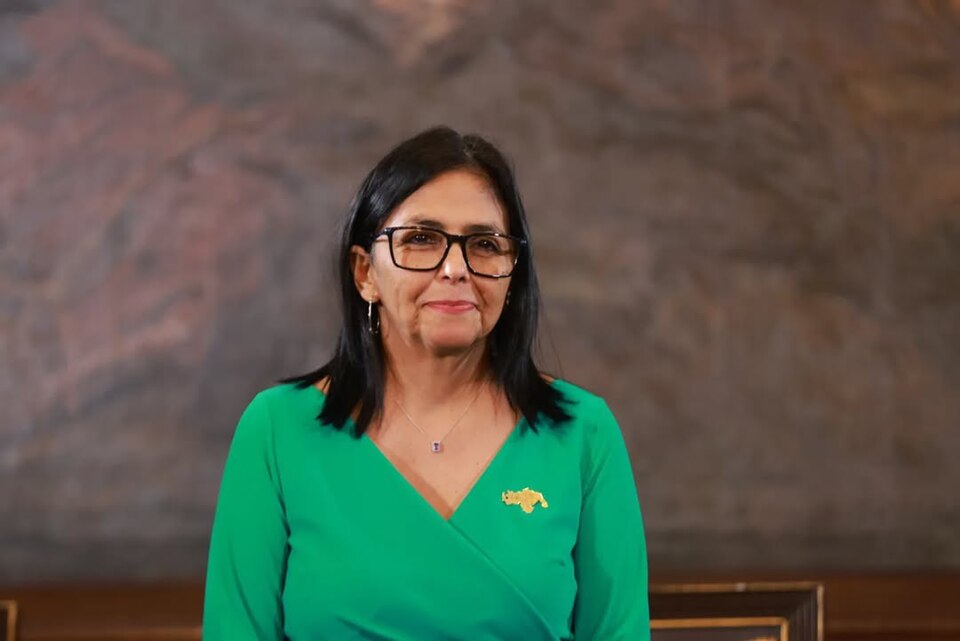
The United States has officially removed sanctions against Venezuelan interim President Delcy Rodriguez, according to the U.S. Treasury Department website. The move comes less than three months after American forces captured then-President Nicolás Maduro in a raid on Caracas, marking a dramatic turning point in U.S.-Venezuela relations.
The Trump administration has been actively engaging with Rodriguez's interim government since the political transition began. Diplomatic efforts have included negotiations over a U.S.-Venezuela oil sales agreement, alongside the issuance of sanctions waivers designed to encourage American investment in the oil-rich South American nation. Lifting sanctions on Rodriguez signals a broader strategic shift in Washington's approach to Venezuelan governance and economic relations.
Maduro's capture on January 3 triggered a rapid succession of political changes across Venezuela. The former authoritarian leader, once firmly in control of the country, now faces serious federal charges in New York alongside his wife, Cilia Flores. Both are standing trial on drug trafficking allegations, a development that has reshaped the political landscape both domestically in Venezuela and across Latin America.
Rodriguez, a former close ally of Maduro, has since taken the helm of the interim government. Her administration appears to be actively seeking legitimacy through cooperation with the United States, a stark contrast to the confrontational stance that defined the Maduro era. This diplomatic realignment could open the door to greater foreign investment and potential economic recovery for a country that has long suffered under years of mismanagement and international isolation.
Venezuela's communications ministry, which manages all official press inquiries on behalf of the government, had not responded to requests for comment at the time of publication. Analysts are closely monitoring how this sanctions relief will influence both regional stability and the broader energy market going forward.







