


 Serbia Protests Continue as Thousands Rally Despite Vucic’s Resignation Plan
  Russian Attacks Kill Four in Ukraine as Zaporizhzhia and Kharkiv Come Under Fire
  Maria Corina Machado’s Return to Venezuela Faces U.S. Hesitation After Deadly Earthquakes
  Supreme Court Backs Lisa Cook, Defends Federal Reserve Independence Against Trump Firing Attempt
  Australia, Vanuatu Sign Security Pact Amid Pacific Influence Competition
  Mexico, U.S. Launch Sterile Fly Facility to Combat New World Screwworm Outbreak
  Trump Questions Housing Bill as He Prioritizes SAVE America Act
  Iran Launches Drone Attack on Bahrain After U.S. Strikes, Strait of Hormuz Tensions Escalate
  US Strikes Iran Again After Strait of Hormuz Tanker Attack Escalates Ceasefire Tensions
  US, Iran Agree to Halt Attacks Ahead of Doha Talks on Strait of Hormuz
  Russia Intensifies Assault on Kostiantynivka as Ukraine’s Donetsk Defense Faces Mounting Pressure
  Trump Signs Memorandum Backing Americans’ Right to Repair Their Own Vehicles
  Australia Plans Higher Fines for Social Media Firms Failing to Block Underage Users
  Israeli Airstrike Kills Three in Central Gaza Despite Ceasefire
  Despite its best efforts, Iran won’t be able to toll the Strait of Hormuz. Here’s why
  Trump Urges Gasoline Retailers to Cut Prices to $2.50 Per Gallon, Warns of Legal Action


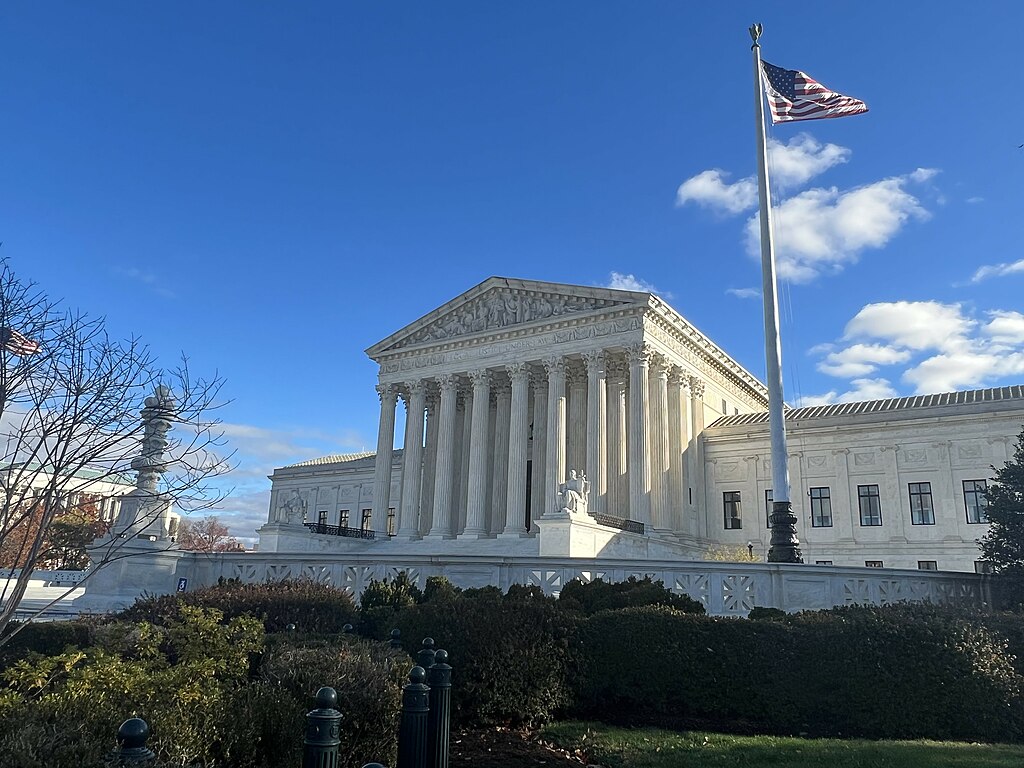
President Donald Trump made a rare personal appearance at the U.S. Supreme Court on Wednesday to witness oral arguments in a landmark case centered on his executive order restricting birthright citizenship — marking one of the most politically charged moments in recent constitutional history.
Trump confirmed his plans to attend the session just a day prior, with the White House officially announcing his presence at the 10 a.m. EDT hearing. The visit underscores just how much weight the administration places on reshaping immigration policy in the United States.
At the heart of the case is Trump's January 2025 executive order, signed on his first day back in office, directing federal agencies to deny citizenship to children born on U.S. soil if neither parent holds American citizenship or legal permanent residency. The order was quickly challenged and blocked by a lower court, which ruled it violated the 14th Amendment to the U.S. Constitution along with existing federal law that has long upheld birthright citizenship rights.
The 14th Amendment, ratified in 1868, has traditionally been interpreted to grant citizenship to virtually all individuals born on American soil, regardless of their parents' immigration status. Trump's directive would represent one of the most significant reinterpretations of this constitutional provision in modern history.
Trump, who has been vocal about his mixed views on the current Supreme Court justices, criticized appointments made by Democratic former Presidents Joe Biden and Barack Obama while expressing support for others on the bench.
Civil rights organizations and immigration advocates argue that the administration's broader crackdown has instilled widespread fear among immigrant communities and undermines constitutional protections. The Trump administration, however, maintains these measures are essential to national security and curbing illegal immigration.
The Supreme Court's eventual ruling could permanently reshape American citizenship law for generations to come.







