


 Brazil Pension Fund Crackdown After Banco Master Collapse Raises Investment Concerns
  Australia Targets Meta, Google, and TikTok With New News Payment Tax Proposal
  Trump Administration Dismisses Entire National Science Board, Raising Concerns Over Scientific Independence
  Rubio Approves $25.8 Billion Weapons Sale to Middle East Allies
  Judge Rules Use of Military Lawyers in Civilian Prosecutions Is Lawful
  China Banks Halt New Loans to Sanctioned Refineries Amid U.S.-Iran Oil Crackdown
  US House Advances $70 Billion Immigration Enforcement Budget Plan
  Malaysia Unveils Energy Security Plan Amid Iran Conflict and Rising Oil Costs
  Ukraine-Russia Ceasefire Confirmed as Prisoner Swap Deal Advances
  New York Moves to Ban Masked Law Enforcement During Immigration Operations
  Panama Defends Port Takeover Amid U.S.-China Tensions and Canal Dispute
  Iran Military Readiness Intensifies After Meeting With Mojtaba Khamenei
  Trump Inspects Lincoln Memorial Reflecting Pool Renovation in Washington
  Israel’s Secret Iraq Base Allegedly Supported Iran Air Campaign, WSJ Reports
  CDC Monitors U.S. Travelers After Hantavirus Outbreak on Luxury Cruise Ship
  U.S. Flags Vietnam as “Priority Foreign Country” Over Intellectual Property Concerns
  Medicare to Cover GLP-1 Weight-Loss and Diabetes Drugs Starting July 1


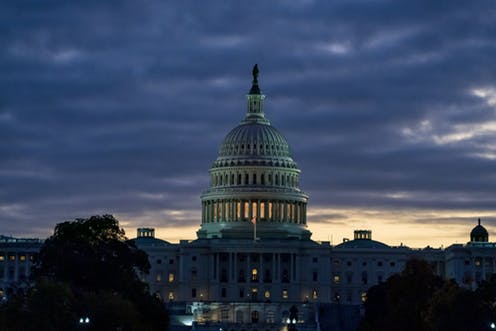
The U.S. House of Representatives has approved its version of the National Defense Authorization Act (NDAA), authorizing nearly $900 billion in military spending for 2025. The measure, passed 231–196 largely along party lines, mirrors last year’s funding levels but has drawn sharp debate over partisan amendments.
All but four Republicans supported the bill, while most Democrats opposed it due to provisions touching on divisive social issues. One controversial amendment would bar Pentagon health insurance from covering gender-related medical care. Representative Adam Smith of Washington, the top Democrat on the House Armed Services Committee, criticized Republicans for advancing what he called a “culture war agenda” rather than addressing national security priorities.
Republican chairman of the committee, Representative Mike Rogers of Alabama, celebrated the bill’s passage, calling it a vote to modernize the military, strengthen deterrence, and support service members. The legislation provides a 3.8% pay raise for troops and seeks to overhaul the defense acquisition process by cutting approval delays and expanding investment in artificial intelligence research.
Efforts to cut funding for Ukraine and Taiwan were rejected. However, the bill reignited political battles after Senate Democrats attempted to push an amendment requiring the release of files related to Jeffrey Epstein. Republicans blocked the move, reflecting the case’s lingering political sensitivity given former President Donald Trump’s past ties to Epstein.
The Senate is working on its own NDAA version, which proposes $32 billion more in defense spending. Once passed, both chambers must reconcile differences before sending the final bill to the White House for Trump’s approval or veto.
With military modernization, troop pay raises, and geopolitical support at stake, the NDAA’s fate underscores the deep partisan divides shaping U.S. defense policy.







