


 Israel Expands Gaza Restricted Zones, Raising Concerns for Civilians and Aid Access
  Trump Expands Cuba Sanctions Targeting Key Sectors and Foreign Entities
  Israel’s Secret Iraq Base Allegedly Supported Iran Air Campaign, WSJ Reports
  Trump Administration Dismisses Entire National Science Board, Raising Concerns Over Scientific Independence
  Trump Inspects Lincoln Memorial Reflecting Pool Renovation in Washington
  U.S. Sanctions Former DR Congo President Joseph Kabila Over Rebel Support
  U.S. Flags Vietnam as “Priority Foreign Country” Over Intellectual Property Concerns
  Lula and Trump Talks Signal New Phase in Brazil-US Relations
  US Revises UN Resolution on Iran Strait of Hormuz Attacks Amid Russia-China Opposition
  Russia Downs Over 50 Drones Near Moscow Ahead of Victory Day Ceasefire
  U.S., South Korea Launch Shipbuilding Partnership Initiative
  Pope Leo Calls for Peace as Vatican Seeks Better Ties With U.S.
  U.S.-China Beef Trade Deal Hopes Rise Ahead of Trump-Xi Summit
  US-Iran Ceasefire Under Pressure as Fresh Strait of Hormuz Clashes Shake Oil Markets
  Google Secures Pentagon AI Deal for Classified Projects
  White House Withdraws Trump’s National Park Service Nominee Amid Criticism
  Senate Stablecoin Bill Sparks Clash Between Banks and Crypto Industry


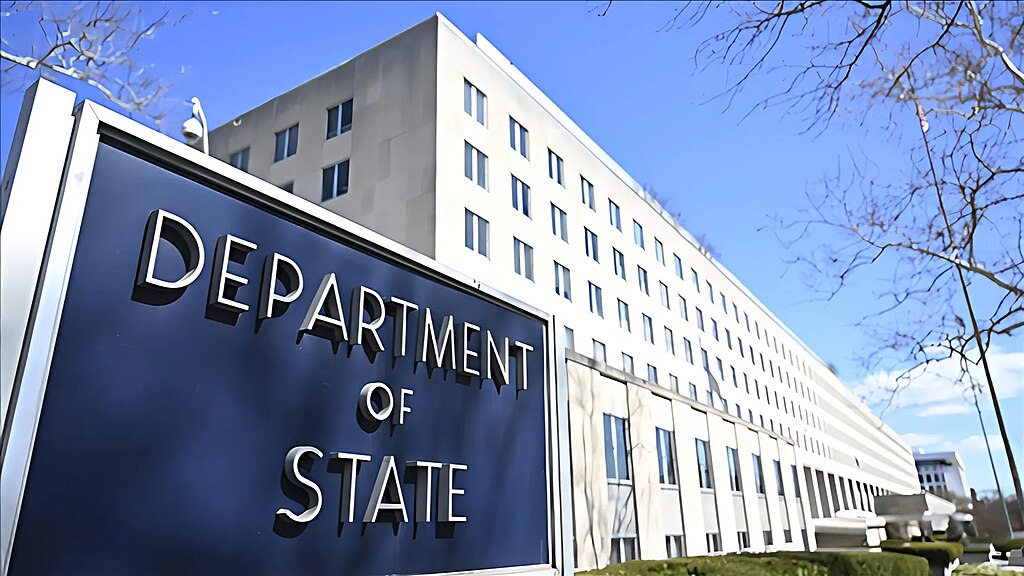
The Trump administration has instructed U.S. diplomats worldwide to stop processing all visas for Afghan nationals, effectively freezing immigration pathways for thousands of Afghans who previously worked with or supported the United States during its two-decade presence in Afghanistan. According to a State Department cable reviewed by Reuters, consular officers were ordered to immediately reject all immigrant and non-immigrant visa applications submitted by Afghan passport holders, including those applying through the Special Immigrant Visa (SIV) program.
The directive came just two days after a former member of a CIA-backed Afghan strike unit was accused of shooting two U.S. National Guard soldiers in Washington, D.C., one of whom later died. Following the incident, Secretary of State Marco Rubio posted on platform X that visa issuance for “ALL individuals” traveling on Afghan passports would be paused as authorities assess identity-verification and eligibility concerns.
Although previously scheduled appointments for Afghan applicants will proceed, consular officers are expected to refuse visas during those interviews. The cable further instructs diplomatic posts to reverse and cancel any approved visas that have not yet been printed, while printed visas must be destroyed and cases updated to reflect refusal. Earlier in the week, U.S. Citizenship and Immigration Services had already suspended the processing of immigration petitions filed by Afghan nationals.
Advocates say the move is part of a larger effort by the administration to block Afghan allies from resettling in the United States. Shawn VanDiver, president of AfghanEvac, said the policy shift reflects months of intentional tightening, warning that thousands who supported U.S. missions are now left in limbo.
Roughly 200,000 Afghans have entered the United States since 2021 through refugee programs and SIV pathways, while another 265,000 remain abroad awaiting decisions—about 180,000 of them linked to U.S. government employment. Since returning to office, President Trump has accelerated immigration enforcement, deploying federal agents to major cities and expanding restrictions at the southern border. The latest measures signal a broader push to restrict even legal immigration avenues following the recent attack in Washington.







