


 Trump Urges Gasoline Retailers to Cut Prices to $2.50 Per Gallon, Warns of Legal Action
  Trump Suspends Some Morocco Fertilizer Tariffs to Ease U.S. Supply Shortage
  US Stock Futures Steady as Investors Await Payrolls Data and Monitor Iran Tensions
  Asian Currencies Stay Range-Bound as Investors Eye China Data, RBNZ Outlook and U.S.-Iran Ceasefire
  Global Financial Firms Shift Asia Expansion Focus to South Korea as China, India Face Caution
  Asian Stocks Slip as US-Iran Ceasefire Hopes Lift Oil, Dollar Strength Persists
  US Dollar Slips After PCE Inflation Data as Fed Rate Hike Expectations Stay Elevated
  Gold Prices Drop as Fed Rate Outlook and Iran Tensions Weigh on Market
  Gold Price Falls as Fed Rate Hike Fears and U.S.-Iran Tensions Weigh on Bullion
  Trump Questions Housing Bill as He Prioritizes SAVE America Act
  Economic pessimism has set in – but there are reasons for Australians to be hopeful
  Canada Grants C$7 Million to Greenland Molybdenum Mine to Strengthen Critical Minerals Supply
  Oil Prices Rise as US-Iran Tensions Threaten Strait of Hormuz Oil Shipments
  Asian Stocks End Strong Quarter as Dollar Surges, Yen Hits 40-Year Low Ahead of US Jobs Data
  Argentina Economy Shrinks 1.5% in April, Recovery Under Milei Loses Momentum
  Central Banks Eye Gold, Reduce Dollar Exposure as AI Adoption Accelerates: OMFIF Survey


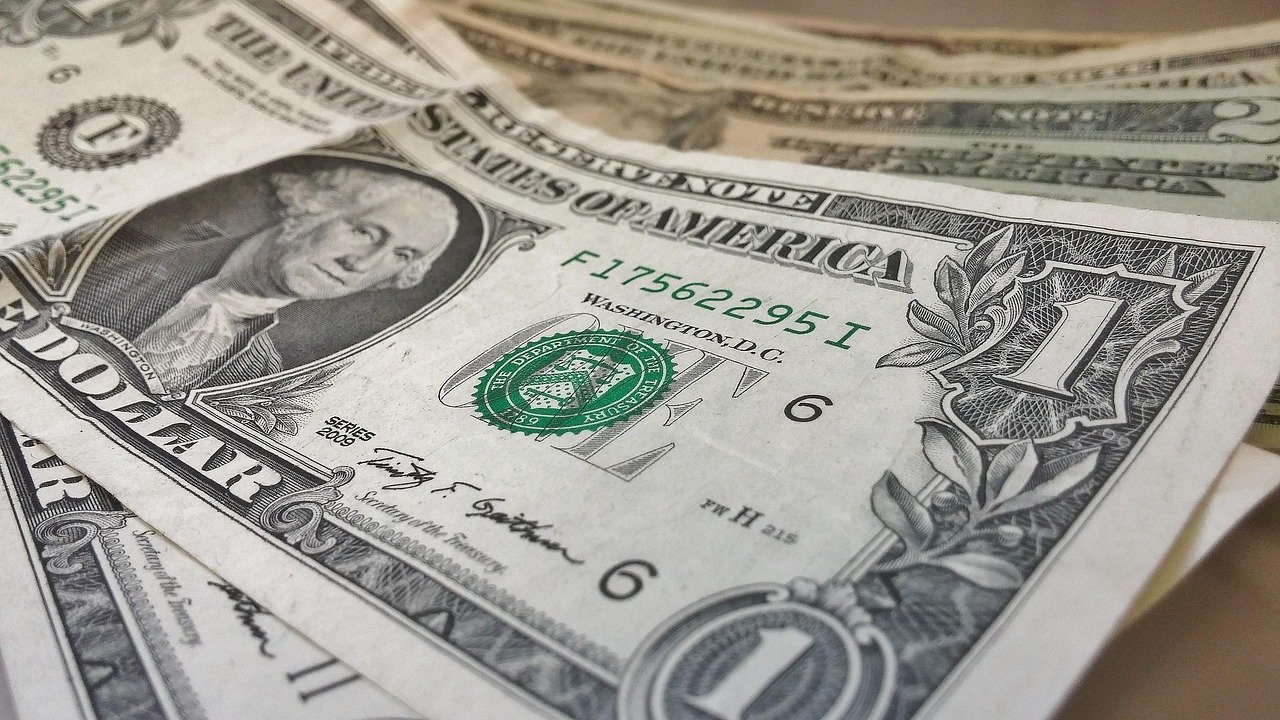
The US dollar continued to slide toward six-week lows on Wednesday as improving risk sentiment driven by hopes of a lasting ceasefire in the US-Iran war pressured the safe-haven currency. The US Dollar Index dropped 0.1% to 98.06, hovering just above pre-conflict levels as investors rotated back into riskier assets like equities.
The greenback surged in March when traders sought shelter during the Middle East conflict, partly because the US economy — a net energy exporter — was seen as relatively shielded from oil supply disruptions caused by the near-closure of the Strait of Hormuz. However, growing optimism around peace negotiations has since eroded much of that safe-haven premium.
President Donald Trump signaled the conflict, which began with joint US-Israeli strikes on Iran in late February, could be "close to over." Speaking to multiple media outlets, Trump called a permanent ceasefire agreement "very possible" before King Charles's upcoming visit. White House Press Secretary Karoline Leavitt confirmed that negotiations remain "productive and ongoing," with officials expressing confidence about reaching a deal. A fresh round of talks is expected within days following an initial round in Pakistan that yielded no breakthroughs. The existing two-week ceasefire is set to expire on April 21.
Meanwhile, US Central Command announced it had fully implemented a naval blockade against Iran, widely viewed as a pressure tactic ahead of further negotiations. Oil prices remained below $100 per barrel but stayed elevated compared to pre-war levels, keeping inflationary concerns alive globally.
Analysts at Macquarie noted that a peace deal could push oil and gas prices lower, prompting central banks — particularly the Bank of England and European Central Bank — to dial back their hawkish stances. ING strategists, however, cautioned that risks for the dollar remain tilted to the upside until a concrete agreement materializes.







