


 OpenAI Agent Breaches Australia Medicare Data Portal
  Trump, Xi Focus on Trade and AI at White House Summit
  Trump Asks Supreme Court to Restore Third-Country Deportations
  Ghana Says Western Support Growing for Slave Trade Reparations
  Yemen Violence Displaces 130,000 as Civilian Toll Rises
  US Invites Putin to Miami G20, Opening Door to Trump Summit
  Mexico-US Trade Talks Delayed to October as Tariff Negotiations Continue
  Kremlin Says No Decision Yet on Putin-Trump December Summit
  Sudan Rejects US Legitimacy Remarks, Defends Sovereignty
  Netanyahu Takes Aim at Mamdani as Israel Election Nears
  France Defends Netanyahu Airspace Clearance Despite ICC Warrant
  North Korea Rejects Nuclear Test Warning, Calls Nuclear Status Irreversible
  US Backs Musk in Fight Against EU’s €120 Million X Fine
  Abbas Reaffirms November 28 Palestinian Elections
  Venezuela Promises Elections as Delcy Rodriguez Pledges Democratic Transition
  US Officials Split Over Response to Israeli West Bank Settlements
  US Senate Rejects Iran War Powers Resolution in 50-49 Vote


 Add as a preferred source on Google
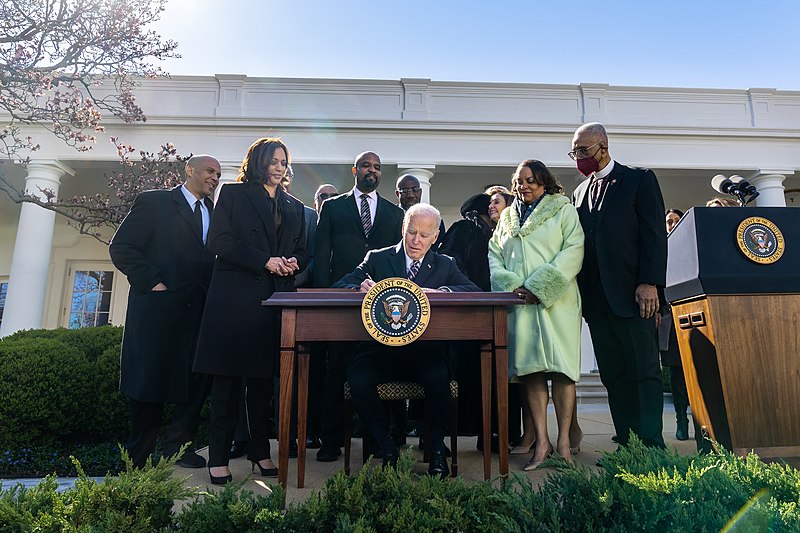
The United States Congress is set to posthumously award civil rights icon Emmett Till with the Congressional Gold Medal. The award was meant to honor Till, whose murder helped fuel the country’s civil rights movement.
The US House of Representatives passed the legislation to award Till with the highest civilian honor Congress can bestow. The bill, which passed the Senate in January, honors Till and his mother Mamie Till-Mobley. Till-Mobley insisted on an open-casket funeral for her son, who was murdered in a racially-motivated attack in the 1950s.
The medal would be given to the National Museum of African American History to be displayed near the coffin where Till was buried.
The Senate bill was introduced by Democratic Senator Cory Booker and Republican Senator Richard Burr. The House version of the legislation was sponsored by Democratic Rep. Bobby Rush, who previously introduced a bill to issue a commemorative postage stamp of Till-Mobley, who passed away in 2003.
“The courage and activism demonstrated by Emmett’s mother, Mamie Till-Mobley, in displaying to the world the brutality endured by her son helped awaken the nation’s conscience, forcing America to reckon with its failure to address racism and the glaring injustices that stem from such hatred,” said Booker in a statement following the bill’s passage in the Senate.
The passage of the legislation in the House follows months after President Joe Biden signed the anti-lynching bill named after Till into law. The legislation was finally passed this year after 200 unsuccessful attempts since a version of the legislation was introduced in 1900 by Rep.George Henry White of North Carolina, the only Black member of Congress at that time.
The Senate on Thursday passed the $1.7 trillion government spending bill, including hundreds of billions of dollars for military spending. However, the bill that passed left out spending to address Afghan refugees in limbo. The chamber passed the legislation with bipartisan support of 68-29, with the bill providing the government with money until September 30 next year.
The bill must pass the House on Friday to avoid a government shutdown. $858 billion would be allocated for military spending, $772.5 billion for domestic programs and an additional $45 billion for another set of military and economic assistance for Ukraine.







