


 Trump’s Inflation Claims Clash With Voters’ Cost-of-Living Reality
  TrumpRx.gov Highlights GLP-1 Drug Discounts but Offers Limited Savings for Most Americans
  Federal Judge Restores Funding for Gateway Rail Tunnel Project
  U.S.-India Trade Framework Signals Major Shift in Tariffs, Energy, and Supply Chains
  Norway Opens Corruption Probe Into Former PM and Nobel Committee Chair Thorbjoern Jagland Over Epstein Links
  Trump Allows Commercial Fishing in Protected New England Waters
  Missouri Judge Dismisses Lawsuit Challenging Starbucks’ Diversity and Inclusion Policies
  US Pushes Ukraine-Russia Peace Talks Before Summer Amid Escalating Attacks
  South Korea Assures U.S. on Trade Deal Commitments Amid Tariff Concerns
  Nighttime Shelling Causes Serious Damage in Russia’s Belgorod Region Near Ukraine Border
  U.S. Announces Additional $6 Million in Humanitarian Aid to Cuba Amid Oil Sanctions and Fuel Shortages
  Pentagon Ends Military Education Programs With Harvard University
  Japan Election 2026: Sanae Takaichi Poised for Landslide Win Despite Record Snowfall
  Trump Backs Nexstar–Tegna Merger Amid Shifting U.S. Media Landscape
  Trump Signs Executive Order Threatening 25% Tariffs on Countries Trading With Iran
  Trump Lifts 25% Tariff on Indian Goods in Strategic U.S.–India Trade and Energy Deal
  India–U.S. Interim Trade Pact Cuts Auto Tariffs but Leaves Tesla Out


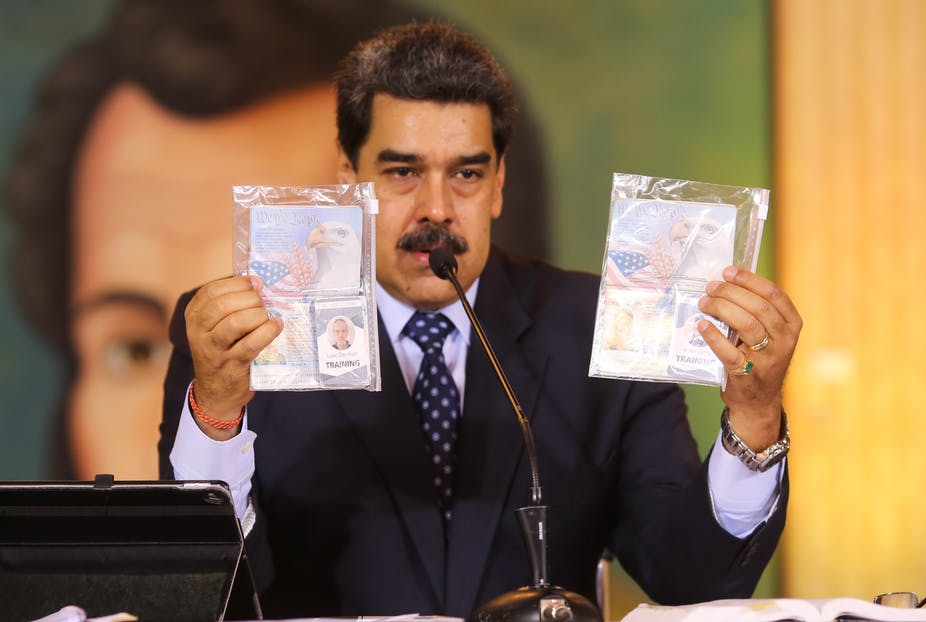
The United States Coast Guard has significantly expanded its maritime operations targeting vessels allegedly involved in drug trafficking and the transportation of Venezuelan crude oil, as part of a broader strategy to counter illicit activities linked to Venezuelan President Nicolás Maduro. Homeland Security Secretary Kristi Noem confirmed the intensified campaign during a recent interview, emphasizing that the actions are intended to disrupt criminal networks while delivering a strong geopolitical message.
According to Noem, the Coast Guard’s mission goes beyond routine interdictions. The United States is seeking to demonstrate that it will not tolerate what it considers illegal activities conducted or supported by the Maduro government. She stated that the operations are meant to send a clear signal to the international community that such actions “cannot stand,” underscoring Washington’s position that Maduro should no longer remain in power.
The US government has formally designated Nicolás Maduro as the leader of the so-called Cartel de los Soles, an organization it alleges is deeply involved in international drug trafficking. US authorities claim the group includes senior Venezuelan government officials and have classified it as a foreign terrorist organization. This designation provides the legal framework for aggressive enforcement measures, including maritime interdictions and targeted strikes.
As part of the campaign, US forces have intercepted oil tankers carrying Venezuelan crude and conducted operations against vessels suspected of transporting illegal narcotics. Some of these actions have reportedly included deadly strikes against drug-trafficking boats, highlighting the seriousness of the effort to curb both narcotics smuggling and sanctions evasion tied to Venezuelan oil exports.
Noem praised the Coast Guard’s role in the operation, describing its personnel as performing at an exceptionally high level while maintaining safety at sea. She emphasized that these actions are aimed at stopping the flow of drugs, protecting US national security, and standing up for American interests.
The expanded Coast Guard operations reflect a broader US strategy to apply economic, legal, and military pressure on the Maduro government, while reinforcing maritime security and signaling continued commitment to combating transnational crime in the region.













