


 Trump Signs Memorandum Backing Americans’ Right to Repair Their Own Vehicles
  Russian Attacks Kill Four in Ukraine as Zaporizhzhia and Kharkiv Come Under Fire
  Mexico, U.S. Launch Sterile Fly Facility to Combat New World Screwworm Outbreak
  Iran Skips U.S. Technical Talks Over Unmet MoU Conditions and Frozen Funds Dispute
  Trump Questions Housing Bill as He Prioritizes SAVE America Act
  Despite its best efforts, Iran won’t be able to toll the Strait of Hormuz. Here’s why
  Australia Plans Higher Fines for Social Media Firms Failing to Block Underage Users
  Trump Announces September Overhaul of Washington’s East Potomac Golf Links
  China Expands Export Controls, Adds 20 Japanese Companies to Restricted List
  Serbia President Aleksandar Vucic to Resign, Calls Early Elections After Months of Protests
  Sheinbaum Says No One Is Above the Law After Abuse Video of Ex-Pemex Chief Emerges
  Taiwan Coast Guard Officer Finds Strength in Faith as China Increases Pressure in Taiwan Strait
  Javier Milei Cabinet Chief Manuel Adorni Resigns Amid Spending Scandal Investigation
  Australia, Vanuatu Sign Security Pact Amid Pacific Influence Competition
  Israeli Airstrike Kills Three in Central Gaza Despite Ceasefire
  Trump Threatens 100% Tariffs on Countries Imposing Digital Services Taxes on U.S. Tech Firms


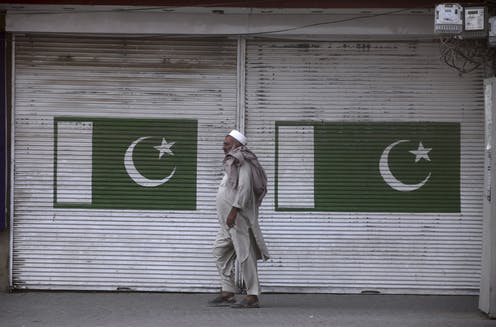
Tensions between the United States and Iran have sharply escalated after weekend diplomatic talks in Islamabad ended without an agreement, prompting Washington to announce a full naval blockade of Iranian ports and coastal waters effective Monday morning.
The high-stakes negotiations marked the first direct U.S.-Iran dialogue in over a decade — and the most significant since Iran's 1979 Islamic Revolution. They were held just days after a fragile two-week ceasefire took effect, which had paused six weeks of Gulf conflict that claimed thousands of lives, disrupted global energy supplies, and raised fears of broader regional war.
U.S. Central Command confirmed the blockade would take effect at 10 a.m. ET, covering all vessels entering or leaving Iranian ports along the Arabian Gulf and Gulf of Oman. Ships passing through the Strait of Hormuz to non-Iranian destinations would not be affected. President Trump also announced that the U.S. Navy would intercept any vessel that had paid tolls to Iran and begin clearing Iranian mines from the Strait of Hormuz — a critical chokepoint handling roughly one-fifth of the world's energy supply.
Global markets reacted immediately. Crude oil prices surged past $100 per barrel, the U.S. dollar strengthened, and stock futures declined. Trump acknowledged that fuel prices could remain elevated through the midterm elections.
The breakdown stemmed from Iran's refusal to halt uranium enrichment, dismantle nuclear facilities, transfer enriched uranium stockpiles, or cut funding to militant groups including Hamas, Hezbollah, and the Houthis. Iranian Foreign Minister Abbas Araqchi accused Washington of "maximalism" and shifting demands at the last moment.
Despite the impasse, Trump expressed belief that Iran would return to negotiations, while simultaneously stating he would be "fine" if they didn't. Iran's president, meanwhile, signaled openness to a deal — but only if the U.S. respects international law.







