


 Sheinbaum Says No One Is Above the Law After Abuse Video of Ex-Pemex Chief Emerges
  Russian Attacks on Dnipro, Zaporizhzhia, and Kharkiv Kill 10 as Ukraine Vows Response
  Taiwan Coast Guard Officer Finds Strength in Faith as China Increases Pressure in Taiwan Strait
  Andy Burnham Sets Out Vision to Decentralize Britain as Labour Leadership Race Begins
  US Strikes Iran Again After Strait of Hormuz Tanker Attack Escalates Ceasefire Tensions
  Trump Urges Gasoline Retailers to Cut Prices to $2.50 Per Gallon, Warns of Legal Action
  Trump Signs Memorandum Backing Americans’ Right to Repair Their Own Vehicles
  Russian Attacks Kill Four in Ukraine as Zaporizhzhia and Kharkiv Come Under Fire
  Trump Suspends Some Morocco Fertilizer Tariffs to Ease U.S. Supply Shortage
  Despite its best efforts, Iran won’t be able to toll the Strait of Hormuz. Here’s why
  Maria Corina Machado Vows Return to Venezuela After Earthquakes Despite Obstacles
  Javier Milei Cabinet Chief Manuel Adorni Resigns Amid Spending Scandal Investigation
  Trump Threatens 100% Tariffs on Countries Imposing Digital Services Taxes on U.S. Tech Firms
  Australia Plans Higher Fines for Social Media Firms Failing to Block Underage Users
  Iran Skips U.S. Technical Talks Over Unmet MoU Conditions and Frozen Funds Dispute
  Canada Grants C$7 Million to Greenland Molybdenum Mine to Strengthen Critical Minerals Supply
  Russia Intensifies Assault on Kostiantynivka as Ukraine’s Donetsk Defense Faces Mounting Pressure


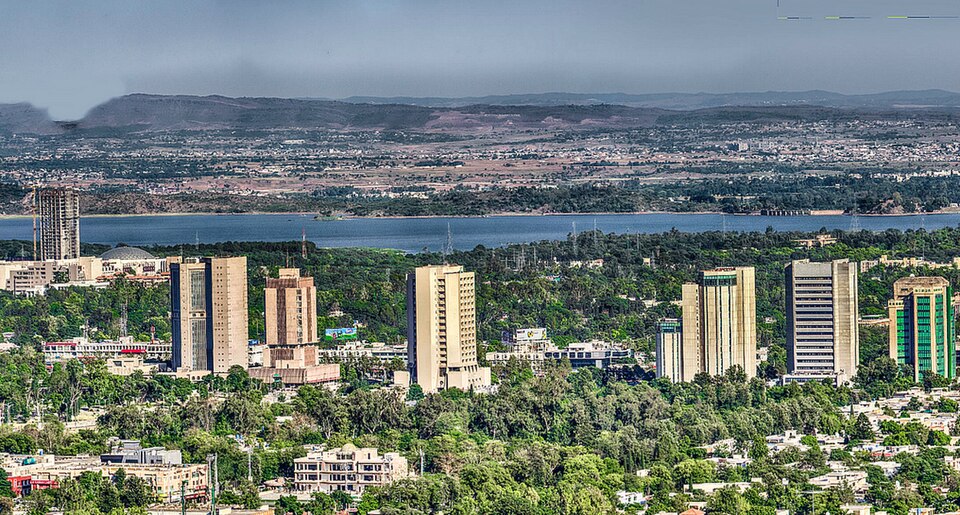
High-stakes diplomatic negotiations between the United States and Iran wrapped up in Islamabad, Pakistan on Sunday after roughly 14 hours of intense discussion, marking the first direct engagement between the two nations in over a decade. Iran's government confirmed via social media that while talks have temporarily paused, technical teams from both delegations will continue exchanging documents, with further negotiations expected to resume.
The historic discussions — the most significant since Iran's 1979 Islamic Revolution — centered on ending a devastating six-week armed conflict that has claimed thousands of lives and triggered a sharp spike in global oil prices. A senior U.S. delegation including Vice President JD Vance, special envoy Steve Witkoff, and Jared Kushner faced off against Iranian Parliamentary Speaker Mohammad Baqer Qalibaf and Foreign Minister Abbas Araqchi in a series of tense sessions described by Pakistani mediators as emotionally volatile, with the mood shifting dramatically throughout the day.
At the heart of the ceasefire negotiations is the Strait of Hormuz, a critical global energy corridor that Iran has blocked since the conflict began. The waterway handles roughly one-fifth of the world's energy supply, making its reopening a top priority for international markets. The U.S. military announced it was actively working to clear the strait of mines, though Iran disputed that any American vessels had passed through.
Iran entered the talks seeking the release of frozen assets, war reparations, regional ceasefire guarantees including Lebanon, and control over Strait of Hormuz transit fees. The United States, meanwhile, is pushing for unrestricted maritime passage and a permanent end to Iran's nuclear weapons development program.
Pakistan played a pivotal mediating role throughout the process — a striking diplomatic comeback for a country that was largely isolated on the world stage just a year ago.







