


 Russian Attacks on Dnipro, Zaporizhzhia, and Kharkiv Kill 10 as Ukraine Vows Response
  Mexico, U.S. Launch Sterile Fly Facility to Combat New World Screwworm Outbreak
  Trump Suspends Some Morocco Fertilizer Tariffs to Ease U.S. Supply Shortage
  Iran Launches Drone Attack on Bahrain After U.S. Strikes, Strait of Hormuz Tensions Escalate
  Maria Corina Machado’s Return to Venezuela Faces U.S. Hesitation After Deadly Earthquakes
  Trump Questions Housing Bill as He Prioritizes SAVE America Act
  Trump Urges Gasoline Retailers to Cut Prices to $2.50 Per Gallon, Warns of Legal Action
  Despite its best efforts, Iran won’t be able to toll the Strait of Hormuz. Here’s why
  China Expands Export Controls, Adds 20 Japanese Companies to Restricted List
  Taiwan Coast Guard Officer Finds Strength in Faith as China Increases Pressure in Taiwan Strait
  Australia Plans Higher Fines for Social Media Firms Failing to Block Underage Users
  Trump Signs Memorandum Backing Americans’ Right to Repair Their Own Vehicles
  Trump Threatens 100% Tariffs on Countries Imposing Digital Services Taxes on U.S. Tech Firms
  Russian Attacks Kill Four in Ukraine as Zaporizhzhia and Kharkiv Come Under Fire
  Andy Burnham Sets Out Vision to Decentralize Britain as Labour Leadership Race Begins


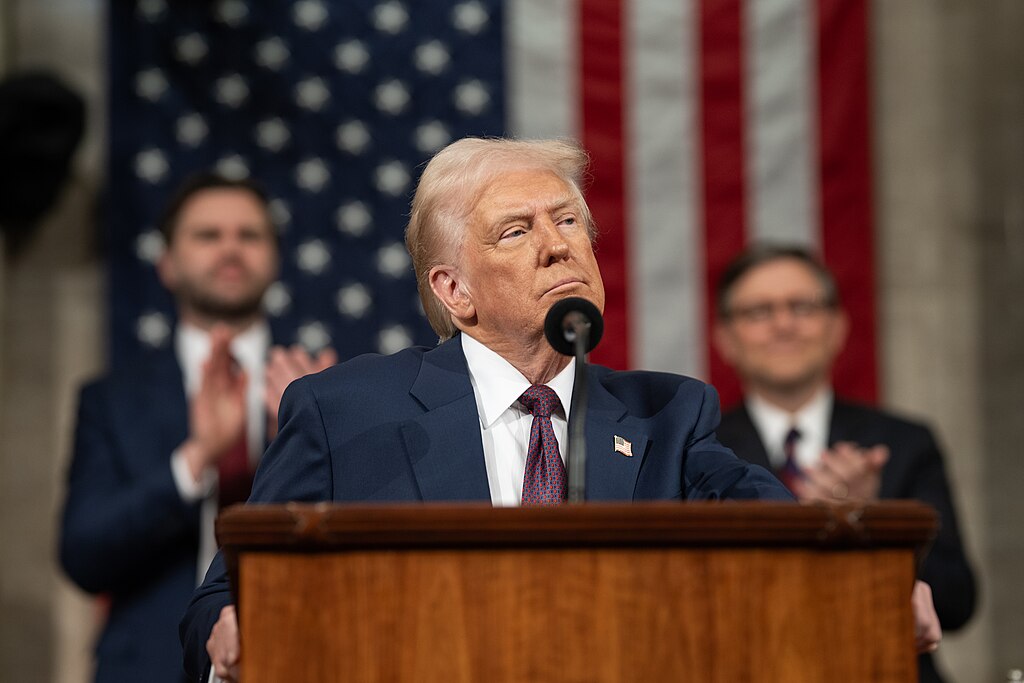
President Donald Trump signaled indifference toward renewed diplomacy with Iran on Sunday, telling reporters at Joint Base Andrews, "I don't care if they come back or not, if they don't come back, we're fine." His remarks followed the collapse of high-stakes ceasefire negotiations in Islamabad, marking a sharp escalation in U.S.-Iran tensions.
The Islamabad summit represented the most direct, senior-level engagement between American and Iranian officials since 1979. Despite 21 hours of face-to-face dialogue on Saturday, the two sides failed to reach an agreement. Vice President JD Vance confirmed that Washington had clearly laid out its position, but Tehran declined to accept the terms.
U.S. demands reportedly included a complete halt to Iran's uranium enrichment program, the dismantling of key nuclear infrastructure, the surrender of highly enriched uranium stockpiles, the unconditional reopening of the Strait of Hormuz, and an end to Iranian support for proxy groups such as Hezbollah and the Houthis. Iran countered with proposals for limited enrichment or stockpile reductions, but no compromise was reached.
In response to the breakdown, Trump announced a U.S. naval blockade on all maritime traffic entering and leaving Iranian ports, effective 10 AM ET on April 13. U.S. Central Command confirmed the blockade would cover vessels of all nationalities operating in the Arabian Gulf and Gulf of Oman. Iranian Parliament Speaker Mohammad Bagher Qalibaf immediately pushed back, warning Trump directly, "If you fight, we will fight."
The Wall Street Journal reported that regional governments and third-party nations are still working behind the scenes to revive talks, with a second negotiation round potentially on the horizon. A fragile two-week ceasefire, announced just days earlier, remains in place but increasingly uncertain.
Trump also lashed out at NATO for failing to support the U.S. position on Iran, hinting that Washington may be reassessing its commitment to the alliance.







