


 Australia, Vanuatu Sign Security Pact Amid Pacific Influence Competition
  Canada Grants C$7 Million to Greenland Molybdenum Mine to Strengthen Critical Minerals Supply
  Iran Launches Drone Attack on Bahrain After U.S. Strikes, Strait of Hormuz Tensions Escalate
  Despite its best efforts, Iran won’t be able to toll the Strait of Hormuz. Here’s why
  Trump Threatens 100% Tariffs on Countries Imposing Digital Services Taxes on U.S. Tech Firms
  Serbia Protests Continue as Thousands Rally Despite Vucic’s Resignation Plan
  Maria Corina Machado’s Return to Venezuela Faces U.S. Hesitation After Deadly Earthquakes
  Supreme Court Backs Lisa Cook, Defends Federal Reserve Independence Against Trump Firing Attempt
  Ukraine Strikes Russian Titan-Barrikady Plant With Long-Range FP-5 Flamingo Missile
  US, Iran Agree to Halt Attacks Ahead of Doha Talks on Strait of Hormuz
  Russian Attacks on Dnipro, Zaporizhzhia, and Kharkiv Kill 10 as Ukraine Vows Response
  China Expands Export Controls, Adds 20 Japanese Companies to Restricted List
  Australia Plans Higher Fines for Social Media Firms Failing to Block Underage Users
  Andy Burnham Sets Out Vision to Decentralize Britain as Labour Leadership Race Begins
  Javier Milei Cabinet Chief Manuel Adorni Resigns Amid Spending Scandal Investigation
  Trump Suspends Some Morocco Fertilizer Tariffs to Ease U.S. Supply Shortage
  Taiwan Coast Guard Officer Finds Strength in Faith as China Increases Pressure in Taiwan Strait


High-stakes diplomatic negotiations between the United States and Iran entered their second day in Islamabad on Sunday, with both sides still far apart on key issues — particularly American demands over the Strait of Hormuz. Iran's Tasnim news agency, which maintains close ties to the country's security establishment, reported that Tehran is pushing back against what it calls unreasonable conditions imposed by Washington.
The American delegation is led by Vice President JD Vance, joined by special envoy Steve Witkoff and senior adviser Jared Kushner. Iran sent Parliamentary Speaker Mohammad-Bagher Ghalibaf and Foreign Minister Abbas Araghchi, who also held a separate meeting with Pakistani Prime Minister Shehbaz Sharif. Pakistani officials confirmed that three-way talks were progressing, though the format — whether joint or shuttle diplomacy — remained unclear.
President Donald Trump struck a deliberately ambiguous tone, describing the discussions as "very deep negotiations" while insisting the outcome made "no difference" to him. He added that the U.S. would "win regardless," and confirmed that Navy minesweepers were actively clearing the Strait, cautioning that a "couple of mines" may still be in the water.
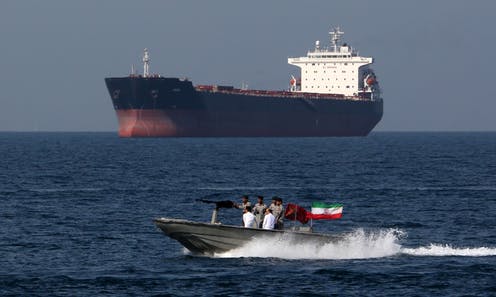
The Strait of Hormuz, a critical chokepoint connecting the Persian Gulf to global oil markets, has been severely disrupted since the U.S. and Israel launched military operations against Iran in late February targeting its missile and nuclear programs. The closure sent global oil and gas prices surging. Two Chinese supertankers became among the first vessels to transit the waterway after a ceasefire was announced earlier in the week.
Conflicting reports emerged over a potential unfreezing of Iranian assets held in Qatar. Iranian officials linked the release to restoring Hormuz shipping access, but a U.S. official flatly denied any such agreement had been reached. Talks were still ongoing as of Sunday afternoon local time.







