


 Trump Signs “America First Arms Transfer Strategy” to Prioritize U.S. Weapons Sales
  Trump Lifts 25% Tariff on Indian Goods in Strategic U.S.–India Trade and Energy Deal
  Trump Congratulates Japan’s First Female Prime Minister Sanae Takaichi After Historic Election Victory
  Trump Says “Very Good Talks” Underway on Russia-Ukraine War as Peace Efforts Continue
  Trump’s Inflation Claims Clash With Voters’ Cost-of-Living Reality
  Nicaragua Ends Visa-Free Entry for Cubans, Disrupting Key Migration Route to the U.S.
  New York Legalizes Medical Aid in Dying for Terminally Ill Patients
  U.S.-India Trade Framework Signals Major Shift in Tariffs, Energy, and Supply Chains
  Federal Judge Restores Funding for Gateway Rail Tunnel Project
  Trump Allows Commercial Fishing in Protected New England Waters
  U.S. Lawmakers to Review Unredacted Jeffrey Epstein DOJ Files Starting Monday
  Sydney Braces for Pro-Palestine Protests During Israeli President Isaac Herzog’s Visit
  Ohio Man Indicted for Alleged Threat Against Vice President JD Vance, Faces Additional Federal Charges
  Trump Backs Nexstar–Tegna Merger Amid Shifting U.S. Media Landscape
  India–U.S. Interim Trade Pact Cuts Auto Tariffs but Leaves Tesla Out
  Trump Signs Executive Order Threatening 25% Tariffs on Countries Trading With Iran
  Trump Administration Appeals Court Order to Release Hudson Tunnel Project Funding


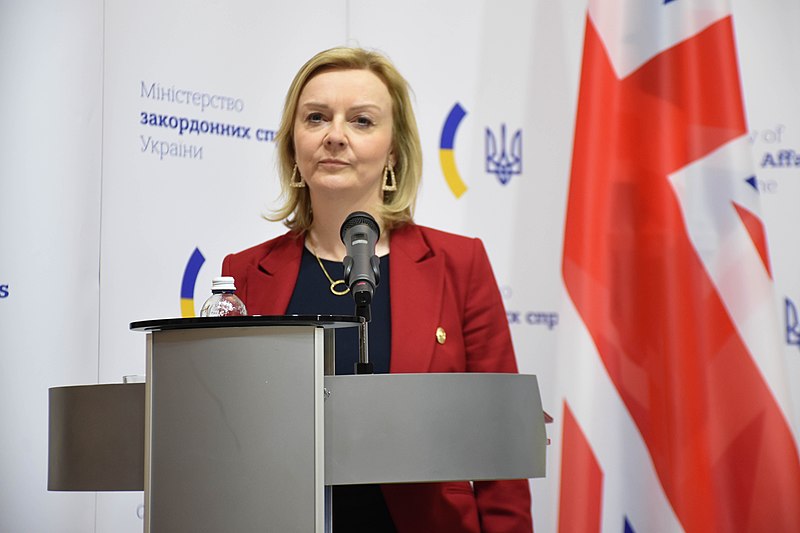
The race to become the next leader of the United Kingdom’s Conservative Party and the new Prime Minister narrowed down to the final two candidates last week. In their respective arguments regarding policies they would tackle if they are elected, both pledged to tackle the issue of illegal immigration.
Foreign secretary Liz Truss and former finance minister Rishi Sunak both pledged to tackle illegal immigration Sunday as they made the case as to why they should be chosen.
Truss and Sunak became the final two contenders to become the UK’s next Prime Minister last week following the resignation of Boris Johnson, who ultimately stepped down amid growing calls to do so by members of his party and after a series of scandals that plagued his administration.
When it came to the key issue of illegal immigration, both Sunak and Truss supported the government’s policy of sending illegal migrants to Rwanda. However, the first deportation was blocked by the European Court of Human Rights last month.
Truss, who is seen as the favorite to win the race, said she would pursue more “third country processing partnerships like Rwanda” and would increase the border force by 20 percent while strengthening the UK’s Bill of Rights.
Sunak, who consistently received the most votes among Conservative lawmakers, said he would approach illegal migration as “one of five major emergency responses” that he plans to take on in his first 100 days in office if he is elected.
Truss is also looking to step up her campaign on Monday by unveiling her plans to create low-regulation investment zones and more freeports. In a statement, Truss said that if she is elected as the new prime minister, she will seek to work with local communities to identify areas for redevelopment to become investment zones, or what she describes as “full fat freeports.”
“Instead, by creating these new Investment Zones we will finally prove to businesses that we’re committed to their futures and incentivize them to stimulate the investment that will help deliver for hardworking people,” said the statement.
Such zones will have a low tax burden aimed to drive investment and construction and will have reduced planning restrictions along with specific regulations that would encourage “high value industries.”













