


 FEMA Reinstates $1 Billion Disaster Prevention Grant Program After Court Order
  US Accelerates Taiwan Arms Deliveries Amid Rising China Threat
  Trump Administration Opens Two New Investigations Into Harvard Over Discrimination and Antisemitism
  Trump's Overhaul of American History: Museums, Monuments, and Cultural Institutions
  Trump Votes by Mail Despite Calling It "Cheating" as Democrat Wins Mar-a-Lago District
  Maduro Faces Rare Narcoterrorism Charges in U.S. Court
  Trump Administration Settles Lawsuit Barring Federal Agencies from Pressuring Social Media Censorship
  Denmark Election 2025: Social Democrats Suffer Historic Losses Amid Migration and Cost-of-Living Tensions
  U.S.-Iran Peace Talks Gain Momentum Amid Ongoing Conflict
  Iran Demands Lebanon Be Part of Any Ceasefire Deal With Israel and the U.S.
  Israel Eyes Litani River as New Border Amid Escalating Lebanon Offensive
  Iran-Israel Missile Strikes Continue Amid Mixed Signals on U.S.-Iran Diplomacy
  Trump to Visit China in May for High-Stakes Xi Summit Amid Iran War
  Trump Says Iran Offered Major Energy Concession Amid Ongoing Negotiations
  US-Iran Ceasefire Talks Underway: What You Need to Know
  U.S. Deploys Elite 82nd Airborne Troops to Middle East Amid Iran Tensions
  Russia Strikes Kharkiv and Izmail as Cross-Border Drone War Escalates


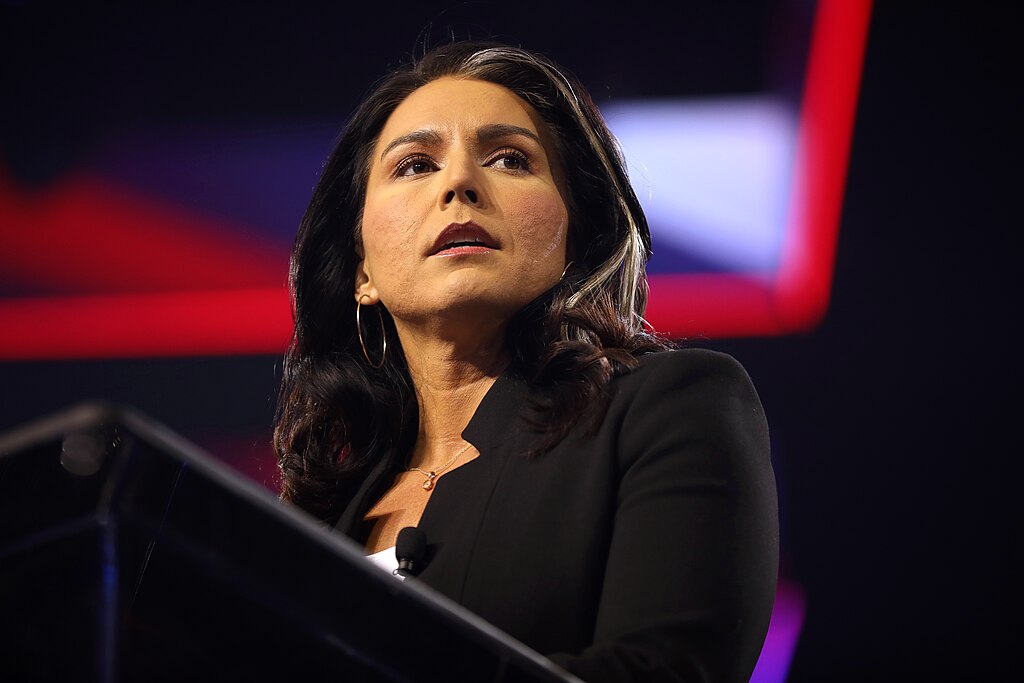
Former Democratic congresswoman and presidential candidate Tulsi Gabbard has officially joined the Republican Party. The announcement marks a significant shift in Gabbard’s political career, further fueling debates about the current state of U.S. politics. Gabbard, once a rising star in the Democratic Party, has long been critical of the party’s direction, and this move solidifies her departure from her former political allies.
Gabbard, who represented Hawaii’s 2nd congressional district from 2013 to 2021, made headlines on Wednesday when she confirmed her decision to align with the GOP. In a statement that echoed many of her past criticisms of the Democratic Party, Gabbard expressed frustration with what she called the “elitist cabal” currently leading the Democrats, accusing them of abandoning core American values.
“I can no longer remain in today’s Democratic Party that is now under the complete control of an elitist cabal of warmongers,” Gabbard said. “They are driven by cowardly wokeness, and I’ve had enough. It’s time for real change, and I believe that change can be found within the Republican Party.”
Her departure from the Democratic Party has been years in the making. Gabbard has consistently criticized the Democrats for being out of touch with the average American, and for policies she believes have weakened the country both domestically and on the world stage. Most notably, she has been an outspoken opponent of what she describes as the party’s increasing embrace of identity politics and wokeness.
The former congresswoman’s move to the Republican Party has sparked intense reactions across the political spectrum. Republicans have largely welcomed Gabbard with open arms, praising her as a voice of reason and a potential bridge to disillusioned moderate Democrats. On the other hand, many Democrats have labeled her a traitor, accusing her of opportunism and abandoning the values she once stood for.
“Her decision to join the Republican Party shows where her true values lie,” said one Democratic strategist. “She has become more aligned with right-wing rhetoric, and it’s disappointing to see her embrace the same policies she once opposed.”
Gabbard’s switch comes as the Republican Party attempts to broaden its appeal ahead of the 2024 election. With Gabbard’s military background—she served as a major in the Army National Guard—and her reputation as an independent thinker, many in the GOP see her as an asset who can attract moderate and independent voters.
However, not everyone within the Republican Party is entirely enthusiastic about Gabbard’s transition. Some hardline conservatives have raised questions about her past positions on issues such as healthcare and climate change, where she has previously taken stances that align more with Democratic ideals. Despite these concerns, her ability to challenge the Democrats and stand against progressive policies has earned her support among key GOP figures.
Gabbard’s political journey has been nothing short of unconventional. After serving in Congress, she ran for the Democratic nomination in the 2020 presidential election, where she often clashed with party frontrunners. Her non-interventionist foreign policy views, opposition to regime change wars, and criticism of U.S. involvement in conflicts like Syria set her apart from many of her Democratic peers.
Gabbard’s switch to the GOP is expected to further complicate the 2024 political landscape. While it remains unclear what specific role she will play within the party moving forward, her influence and ability to attract attention are undeniable.
As her critics and supporters await her next move, one thing is clear: Tulsi Gabbard’s decision to leave the Democratic Party and join the Republican ranks will have far-reaching consequences in the months ahead.







