


 Russia-Iran Military Alliance Deepens With Drone Shipments Amid Middle East Tensions
  Taiwan Arms Deal on Track Despite U.S.-China Summit Uncertainty
  Maduro Faces Rare Narcoterrorism Charges in U.S. Court
  WTO Reform Talks Begin in Cameroon Amid Global Trade Tensions
  US-Iran Ceasefire Talks Underway: What You Need to Know
  U.S.-Iran Peace Talks Gain Momentum Amid Ongoing Conflict
  Bachelet Pushes Forward With UN Secretary-General Bid Despite Chile's Withdrawal
  Trump's Overhaul of American History: Museums, Monuments, and Cultural Institutions
  Israel Eyes Litani River as New Border Amid Escalating Lebanon Offensive
  Trump Votes by Mail Despite Calling It "Cheating" as Democrat Wins Mar-a-Lago District
  Iran-Israel Missile Strikes Continue Amid Mixed Signals on U.S.-Iran Diplomacy
  Jay Bhattacharya to Continue Leading CDC as White House Searches for Permanent Director
  Pakistan's Diplomatic Rise: Mediating U.S.-Iran Peace Talks
  Trump Administration Settles Lawsuit Barring Federal Agencies from Pressuring Social Media Censorship
  Kristi Noem Ends Western Hemisphere Tour in Diminished Role After DHS Firing
  Trump to Visit China in May for High-Stakes Xi Summit Amid Iran War
  Iran-U.S. Negotiations: Tehran Reviews American Peace Proposal Amid Ongoing Gulf Conflict


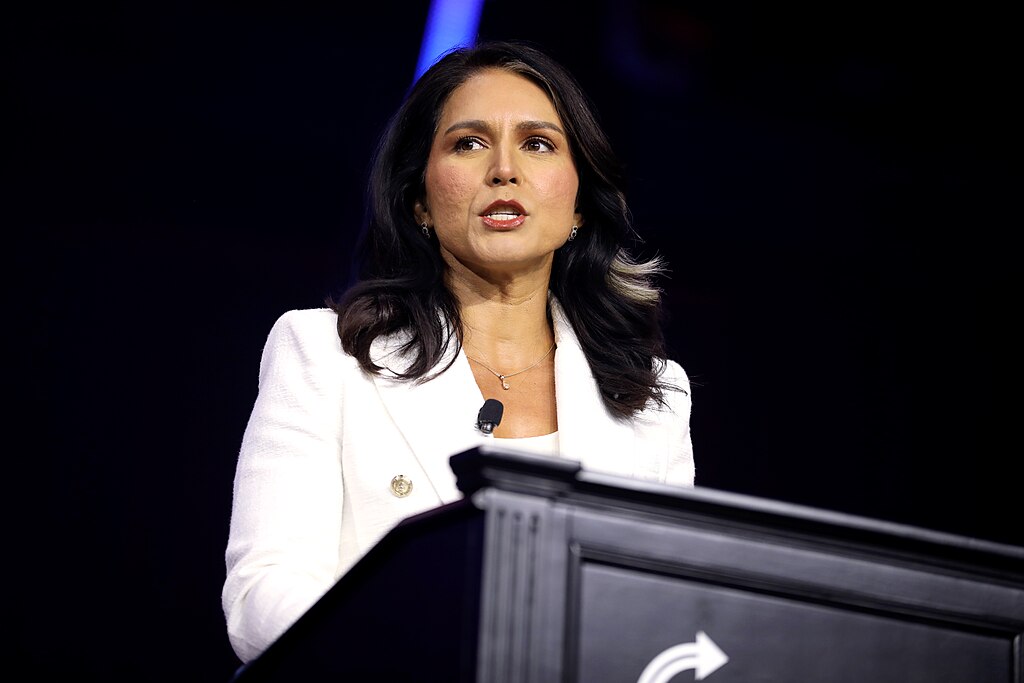
Former U.S. Representative Tulsi Gabbard, President Donald Trump's nominee for director of national intelligence, faced bipartisan scrutiny during her Senate confirmation hearing. Lawmakers challenged her past defense of NSA whistleblower Edward Snowden and comments perceived as favorable to Russia.
Gabbard, a former Democrat and combat veteran with limited intelligence experience, was pressed on her stance regarding Russia’s invasion of Ukraine, U.S. involvement in Syria, and her 2017 meeting with Syrian leader Bashar al-Assad. Senator Mark Warner confronted her about statements blaming NATO for Russia’s actions, while Republican Jerry Moran questioned whether she would hold Russia accountable. Gabbard firmly denied giving any country or individual a "pass."
Her past legislative efforts to drop charges against Snowden fueled further debate. When asked if she considered Snowden a traitor, she avoided a direct answer, stating her focus was on preventing future leaks. This drew criticism from both parties, particularly Democrat Michael Bennett. Gabbard acknowledged Snowden broke the law but argued his revelations exposed illegal government surveillance, leading to reforms.
Despite concerns, Republican Senator Tom Cotton supported her nomination, calling her views "unconventional" but necessary in Washington. However, with a divided Intelligence Committee, even one Republican defection could complicate her confirmation.
Gabbard’s opposition to Section 702 of the Foreign Intelligence Surveillance Act, which enables government surveillance, has also raised concerns. Though she later reversed her stance, her past positions continue to face scrutiny.
Trump’s nominee faces an uphill battle, needing near-unanimous Republican support to secure the role. The committee’s classified session with Gabbard could be pivotal, as Cotton aims for a swift vote.













