


 U.S. Urges China to Help Curb Iran’s Actions in Gulf, Rubio Says
  Trump DOJ Accuses Yale Medical School of Racial Bias in Admissions
  US Expects China to Boost Purchases of American Farm Products After Trump-Xi Summit
  Elon Musk’s China Influence Faces New Challenges Amid Rising EV Competition
  Nvidia’s China AI Chip Sales Remain Frozen Despite U.S. Approval
  Ukraine Begins Major POW Swap as 205 Soldiers Return from Russian Captivity
  Trump, Xi Begin High-Stakes China Summit Focused on Trade, Taiwan and Global Tensions
  US Plans Imminent Indictment of Cuba’s Raul Castro Over 1996 Plane Shootdown
  Russian Border Drone Attack Leaves One Dead in Belgorod Region
  CIA Director John Ratcliffe Meets Cuban Officials in Havana Amid Renewed U.S.-Cuba Talks
  Japan Considers Extra Budget Aid Amid Rising Fuel and Utility Costs
  Trump Faces Uphill Battle Seeking China’s Help on Iran Conflict
  Oil Prices Climb as Strait of Hormuz Tensions and Supply Concerns Persist
  RFK Jr. Spokesman Resigns Over Trump Administration’s Flavored E-Cigarette Policy
  Vance Says Progress Made in Iran Nuclear Talks as Trump Rejects Tehran Proposal
  Pentagon Halts Planned U.S. Troop Deployment to Poland Amid Europe Force Review
  Rubio Urges China to Release Jimmy Lai and Political Prisoners


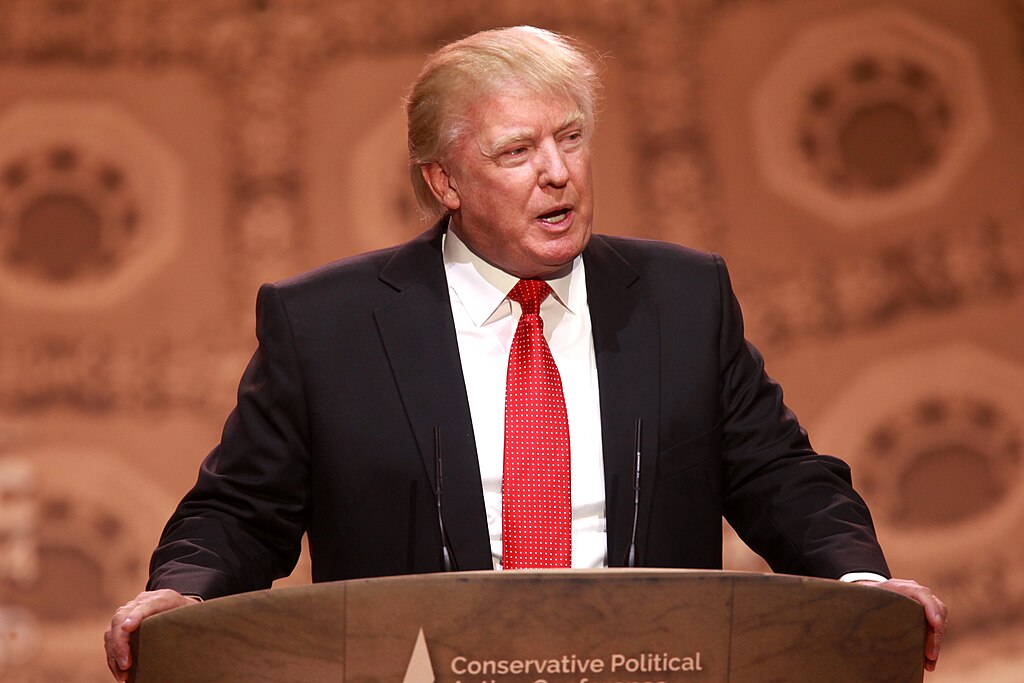
In a move that has ignited widespread controversy, former President Donald Trump and his team are reportedly planning to establish large-scale deportation camps managed by the Department of Homeland Security (DHS). This initiative aims to detain and expedite the removal of millions of undocumented immigrants residing in the United States.
According to sources familiar with the discussions, the proposed plan involves constructing expansive detention facilities to accommodate the significant number of individuals targeted for deportation. The New York Times reports that Trump's advisors are preparing a 'blitz' strategy designed to overwhelm immigrant-rights lawyers, relying on existing statutes without the need for new legislation. This approach is expected to encounter significant Supreme Court challenges and engender social and economic toil, especially within the housing, agriculture, and service sectors.
The plan also includes invoking the Alien Enemies Act of 1798, which allows the president to deport noncitizens from countries with which the U.S. is at war. Although the U.S. is not currently in any declared war, the Trump administration may argue that the so-called migrant invasion amounts to foreign aggression. Additionally, the Insurrection Act of 1807 could be employed to deploy military forces for domestic law enforcement, thereby bypassing the Posse Comitatus Act, which generally prohibits the use of the military in civilian law enforcement.
Critics have expressed alarm over the potential human rights implications of such measures. The American Immigration Council estimates that a one-time mass-deportation operation would cost at least $315 billion in direct budgetary costs to the federal government, not accounting for the economic impacts. A longer-term effort to expel 1 million people a year over more than a decade would ... . Moreover, the logistical challenges of detaining and deporting millions of individuals raise concerns about due process and the treatment of detainees.
Supporters of the plan argue that it is a necessary step to address illegal immigration and protect national security. They contend that existing immigration policies have been ineffective and that more stringent measures are required to deter unlawful entry into the country.
The proposal has also sparked debate over the potential economic impact of mass deportations. Sectors such as agriculture, construction, and service industries, which rely heavily on immigrant labor, could face significant disruptions. The Brookings Institution and Peterson Institute for International Economics have found that Trump's plans would result in a decrease in employment for American-born workers and result in "no economic growth over the second Trump administration from this policy alone," while other estimates have it shrinking GDP by 4.2-6.8 percent.
As discussions continue, the nation remains divided over the proposed measures. The potential establishment of large-scale deportation camps managed by DHS marks a significant escalation in immigration enforcement strategies, raising critical questions about the balance between national security and human rights.







