


 Asian Stocks Gain Amid Iran Conflict Uncertainty
  G7 Foreign Ministers Gather in France Amid Global Tensions and U.S. Policy Uncertainty
  U.S. Oil Prices Slide as Middle East Ceasefire Talks Spark Market Optimism
  Trump Votes by Mail Despite Calling It "Cheating" as Democrat Wins Mar-a-Lago District
  Gold Prices Climb as Middle East Ceasefire Talks Stir Market Optimism
  Trump Seeks Quick End to U.S.-Iran Conflict Amid Ongoing Middle East Tensions
  Cuba Receives Humanitarian Aid Convoy Amid U.S. Sanctions
  Australia-EU Free Trade Deal Signed After Years of Negotiations
  U.S. Futures Slide as Iran Denies Nuclear Talks with Washington
  Russia Strikes Kharkiv and Izmail as Cross-Border Drone War Escalates
  Trump to Visit China in May for High-Stakes Xi Summit Amid Iran War
  Federal Reserve Balance Sheet Reduction: Brookings Research Outlines Possible Path Forward
  Trump's Overhaul of American History: Museums, Monuments, and Cultural Institutions
  Iran-Israel Missile Strikes Continue Amid Mixed Signals on U.S.-Iran Diplomacy
  Oil Prices Rebound as Iran Denies U.S. Talks, Middle East Tensions Persist


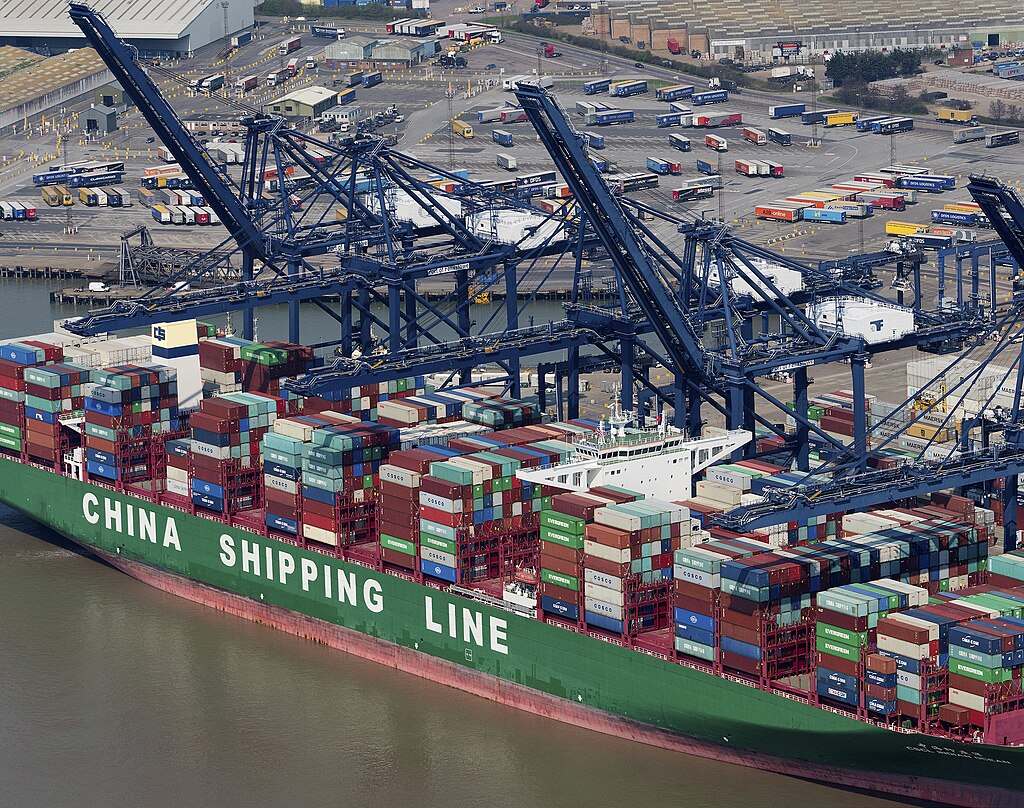
President Donald Trump’s plan to revive U.S. shipbuilding by imposing hefty fees on China-built vessels is facing fierce backlash from the American maritime industry. Industry leaders argue that the proposed port fees—potentially exceeding $3 million per call—would hurt U.S. ship operators, exporters, consumers, and critical jobs.
The Trump administration says the fees will reduce China's dominance in global shipbuilding, which now accounts for over 50% of the market, up from under 5% in 1999. While supported by steel unions and some lawmakers, critics warn that the policy could backfire by crippling American carriers that rely on Chinese-built ships due to the lack of domestic alternatives. U.S. shipyards currently produce fewer than 10 vessels per year compared to China’s 1,000.
Executives, including Edward Gonzalez of Seaboard Marine and Kathy Metcalf of the Chamber of Shipping of America, warn that penalizing China-linked vessels would force U.S. cargo to shift to foreign carriers or reroute through Canada and Mexico—disrupting trade, spiking costs, and straining infrastructure. Smaller ports would suffer from reduced traffic while major ports could face overwhelming congestion.
U.S. exporters, particularly in agriculture and coal, are already experiencing booking issues due to policy uncertainty. The American Soybean Association and other trade groups caution that the fees could slash U.S. exports by nearly 12% and shrink GDP by 0.25%, with rising prices hitting consumers hard.
Though supported by over 60 Democratic lawmakers, industry insiders urge the U.S. Trade Representative to reconsider, warning the plan could trigger job losses and supply chain disruptions reminiscent of early COVID-19 chaos. Final decisions are pending further hearings this week.













