


 U.S.-Iran War Escalates: Marines Deploy, Strait of Hormuz Closure Drives Global Oil Crisis
  Gold Prices Drop Amid Inflation Fears and U.S.-Iran Escalation
  Goldman Sachs Raises ECB Rate Hike Forecast Amid Persistent Energy-Driven Inflation
  Iran-U.S. War Sends Dollar Higher as Middle East Tensions Escalate
  U.S. Stock Futures Slide as Iran Conflict and Inflation Fears Rattle Wall Street
  Gold Prices Extend Losing Streak, On Track for Worst Weekly Loss Since 1983
  Global Markets Tumble as US-Iran Tensions Escalate, Oil Surges
  Iran War Fears Send Oil Prices Surging as U.S. Weighs Ground Troop Deployment
  U.S. Markets Post Fourth Straight Weekly Loss Amid Middle East Escalation
  Japan's Private Sector Growth Slows in March Amid Rising Costs and Middle East Uncertainty
  Global Markets Reel as Middle East Tensions Escalate Energy Fears
  Oil Prices Hold Steady Amid Middle East Escalation and Sanctions Relief
  Iran-Israel War Escalates: Long-Range Missiles, Nuclear Site Strikes, and Global Energy Crisis
  Iran Threatens Gulf Infrastructure as U.S.-Israel War Enters Critical 48-Hour Window
  US-Iran War: Trump Eyes Military Exit as Markets React to Potential De-escalation
  Asian Currencies Slide as U.S.-Iran Tensions and Rising Oil Prices Rattle Markets


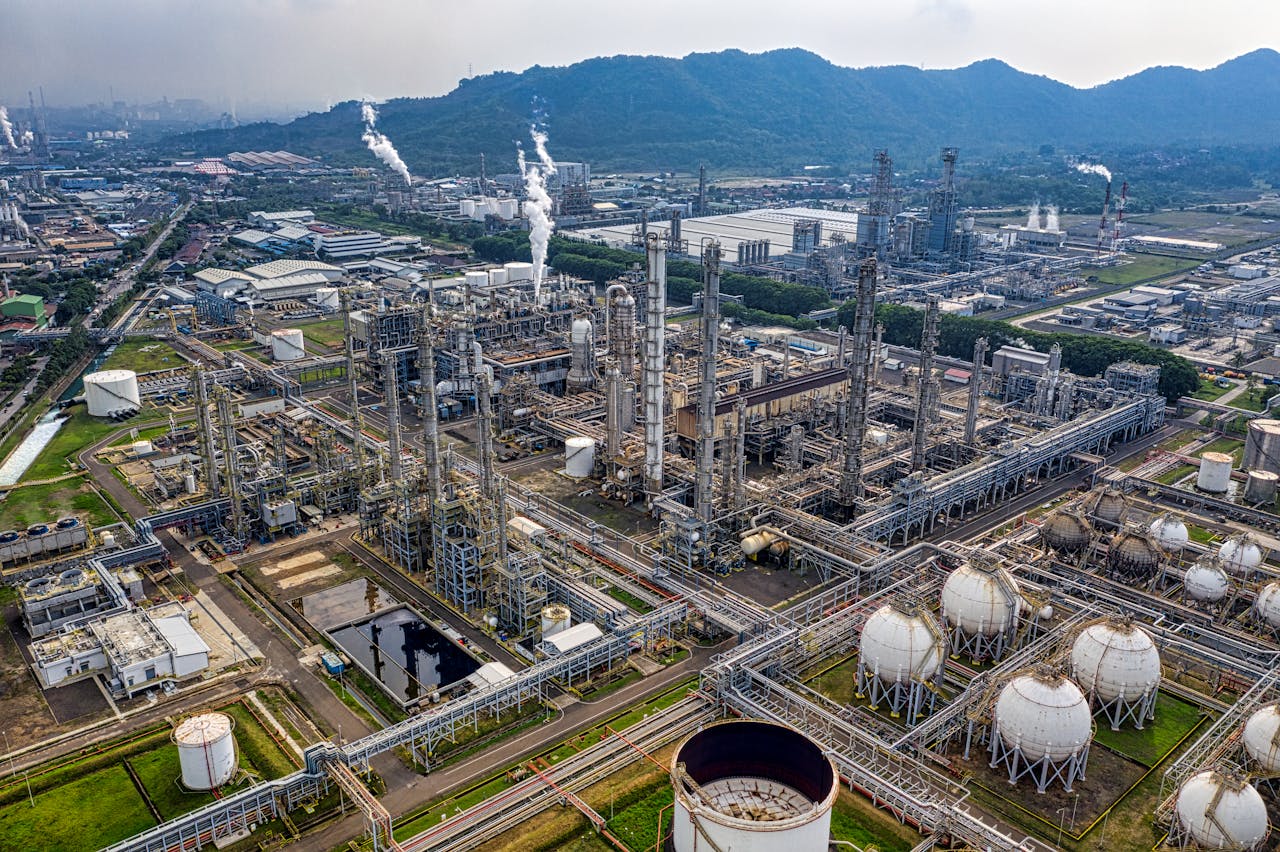
Oil prices climbed in early Asian trading on Tuesday after Iran's parliament speaker flatly denied that any negotiations with the United States had occurred since the start of the war — directly contradicting statements made by President Donald Trump and throwing energy markets back into uncertainty.
West Texas Intermediate crude futures gained 1.1%, rising to $89.10 per barrel at around 19:04 ET. The rebound followed a sharp decline of more than 10% on Monday, when Trump announced he was delaying a threatened strike on Iran's electricity infrastructure by five days, pointing to what he described as productive discussions with unnamed Iranian officials.
Iran's Speaker of the Parliament, Mohammad Baqer Qalibaf, pushed back on those claims via social media, stating that no such talks had taken place. The contradiction left global oil markets unsettled, with traders closely watching for any developments that could affect crude supply from the volatile region.
According to Reuters, while direct diplomatic contact between Washington and Tehran had not occurred, intermediary nations including Egypt, Pakistan, and several Gulf states were actively relaying communications between the two sides. Iran's foreign ministry was also reported to be exploring de-escalation measures, offering a thin layer of cautious optimism to markets.
Despite these signals, active hostilities showed little sign of easing as the conflict stretched into its fourth consecutive week. Crude prices had previously surged to nearly $120 per barrel after Iran effectively shut down the Strait of Hormuz — a strategically critical waterway responsible for approximately one-fifth of global oil supply — triggering widespread concern over long-term energy availability.
With diplomatic channels remaining indirect and military tensions unresolved, oil prices are expected to stay highly sensitive to any new developments in the Iran-U.S. conflict and their ripple effects on Middle East energy infrastructure.













