


 Asian Stocks Steady as AI Shares Rebound Ahead of Fed Decision
  1 in 3 uni students experience serious financial hardship. Could concession cards for all help?
  Hormuz Shipping Slows as Iran Threats Lift Oil Risks
  UK Wage Growth Slows as BoE Rate Decision Looms
  Global Central Banks Brace for More Rate Hikes as Inflation Risks Rise
  China Home Prices Fall Again as Property Slump Drags on Growth
  Europe can’t achieve space sovereignty alone. Here’s why
  Goldman Sachs Forecasts Fed Rate Hike as Inflation Risks Rise
  BOJ Flags Import Costs and Yen Shocks as Persistent Inflation Risks
  Who should own the knowledge that underpins AI technology?


 Add as a preferred source on Google
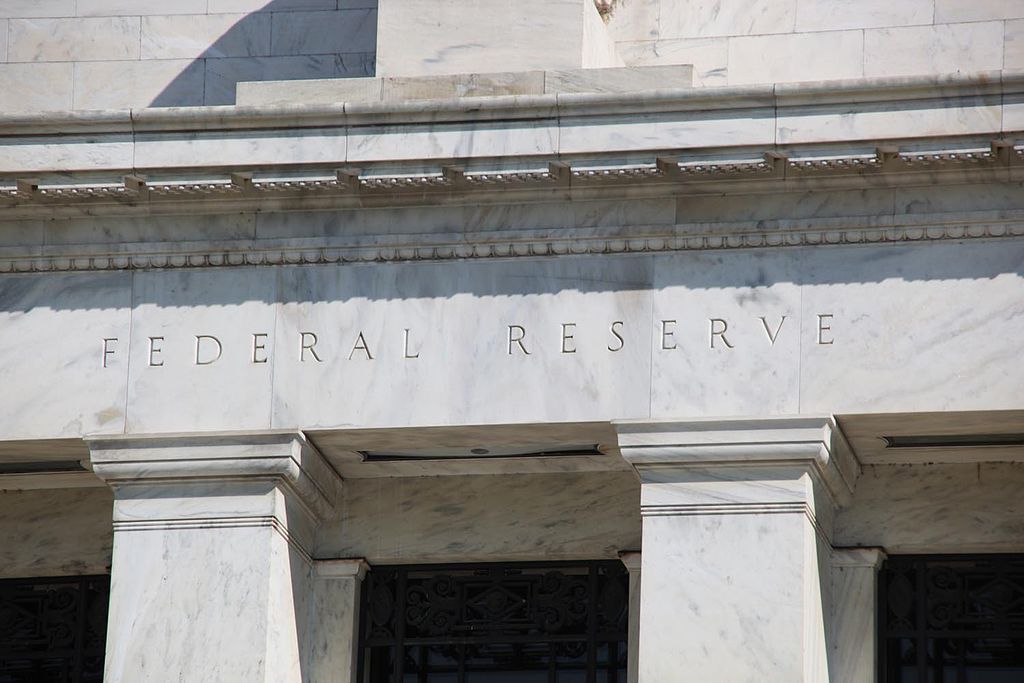
New research from the Brookings Institution suggests the Federal Reserve could shrink its balance sheet through a combination of regulatory adjustments, payment system reforms, and more active market interventions — without necessarily disrupting financial stability.
Stanford finance professor Darrell Duffie authored the paper, outlining a multi-pronged strategy centered on reducing financial institutions' heavy reliance on central bank reserves. Among the proposed measures, Duffie suggests easing current liquidity regulations so that banks feel more comfortable holding fewer liquid assets. Reforming the Fed's Fedwire payment system to better align incoming and outgoing transactions could also reduce the need for excess cash buffers.
Additional recommendations include tiered reserve compensation, where the Fed would lower interest payments on reserves held beyond a certain threshold, and a shift toward more frequent temporary open market operations rather than the largely automated liquidity management approach currently in place.
Duffie clarified he is not advocating for or against balance sheet reduction, describing it as a complex cost-benefit decision best left to Fed policymakers. He acknowledged that a large balance sheet offers real financial stability advantages and has supported the Fed's monetary policy goals effectively.
The conversation around Fed balance sheet size is gaining political momentum. Kevin Warsh, a known critic of expanded central bank holdings, is expected to replace Fed Chair Jerome Powell when his term concludes in May. Treasury Secretary Scott Bessent has similarly raised concerns about the Fed's significant presence in asset markets.
The Fed's total holdings have grown from under $1 trillion before the 2008 financial crisis to approximately $6.6 trillion today, down from a $9 trillion peak in 2022. That growth stems from large-scale bond purchases made during multiple economic downturns. A key challenge remains: reducing liquidity too aggressively risks destabilizing short-term interest rate control, as experienced in 2019.







