


 Agentic AI Boom to Drive Massive Growth in CPU Market, UBS Says
  Judge Delays SEC Settlement With Elon Musk Over Twitter Stock Disclosure Case
  US Adds European Union to Section 301 Watchlist Amid Trade Concerns
  Israeli Strikes in Gaza Kill Three as Ceasefire Tensions Continue
  Anthropic’s $1.5B AI Venture with Wall Street Firms Targets Private Equity Market
  Brazil Pension Fund Crackdown After Banco Master Collapse Raises Investment Concerns
  Infineon Raises 2026 Outlook as AI Data Center Chip Demand Surges
  Malaysia Unveils Energy Security Plan Amid Iran Conflict and Rising Oil Costs
  CDC Monitors U.S. Travelers After Hantavirus Outbreak on Luxury Cruise Ship
  Meta Plans $13B AI Data Center Financing in Texas Amid Surging Big Tech Investment
  Israel Expands Gaza Restricted Zones, Raising Concerns for Civilians and Aid Access
  Lula and Trump Talks Signal New Phase in Brazil-US Relations
  Dell Stock Hits Record High After Trump Endorsement, AI Server Demand Fuels Rally
  FBI Warns of China’s Expanding Hack-for-Hire Network Amid Extradition Case
  Taiwan Activates Backup Communications After Undersea Cable Break on Dongyin Island
  BHP Attracts AI-Focused Investors as Copper Demand Surges


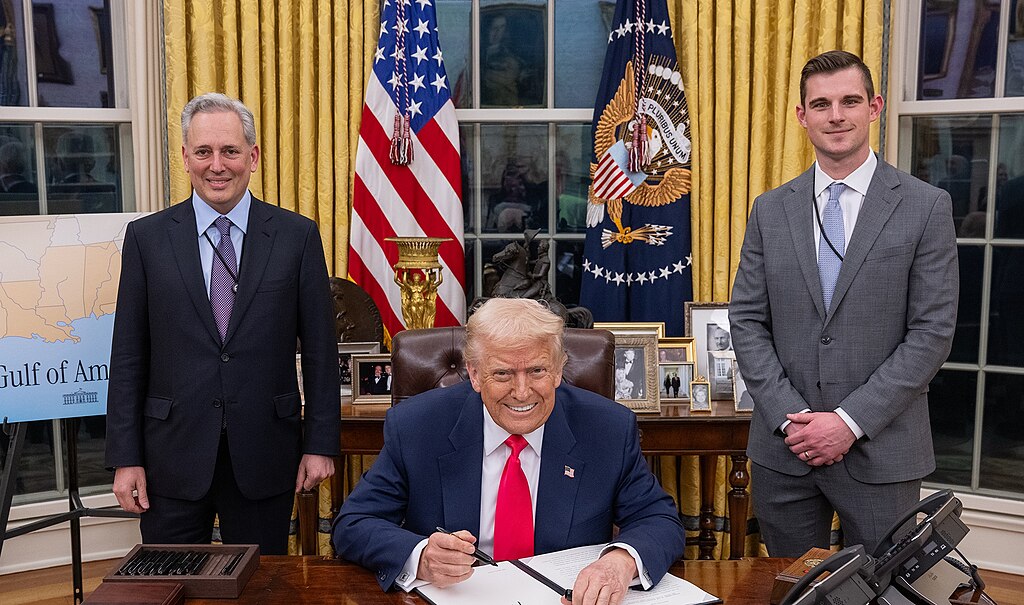
White House AI czar David Sacks warned Tuesday that excessive U.S. regulation on artificial intelligence could hinder innovation and give China a competitive edge. Speaking at the AWS Summit in Washington, Sacks dismissed fears about U.S. AI chips being smuggled to adversaries, noting the hardware’s massive scale. “These aren’t briefcase-sized devices,” he said. “They’re eight-foot server racks weighing two tons—it’s easy to track them.”
Sacks signaled a shift in the Trump administration’s AI policy, emphasizing growth and global market expansion over restrictions. He criticized former President Biden’s AI diffusion rule, which limited U.S. chip exports to certain regions, including the Middle East. “We made diffusion a bad word,” said Sacks. “But sharing our technology should be viewed positively.”
Trump recently rescinded multiple Biden-era AI regulations, including an executive order aimed at consumer protection and competition. These moves, Sacks argued, are necessary to keep the U.S. ahead in a rapidly evolving global AI race. He pointed to state-level bills and permitting issues slowing data center development as threats to progress.
Highlighting the urgency, Sacks referenced China’s rapid advancements in AI, citing the DeepSeek app’s impressive model as evidence of narrowing gaps. “China isn’t years behind,” he said. “It’s more like three to six months. If Huawei chips dominate the market in five years, we’ve lost.”
Sacks also mentioned a new U.S.-UAE plan to build the world’s largest AI campus outside the U.S., reversing Biden’s earlier export curbs to the Gulf. “If we isolate allies, we drive them to China,” he warned.
The White House clarified that while China’s AI models are close in quality, their chip technology still lags behind by one to two years.







