


 Trump Allegedly Sought Airport, Penn Station Renaming in Exchange for Hudson River Tunnel Funding
  Trump Says “Very Good Talks” Underway on Russia-Ukraine War as Peace Efforts Continue
  Trump Allows Commercial Fishing in Protected New England Waters
  Pentagon Ends Military Education Programs With Harvard University
  Trump Lifts 25% Tariff on Indian Goods in Strategic U.S.–India Trade and Energy Deal
  Ohio Man Indicted for Alleged Threat Against Vice President JD Vance, Faces Additional Federal Charges
  Netanyahu to Meet Trump in Washington as Iran Nuclear Talks Intensify
  US Pushes Ukraine-Russia Peace Talks Before Summer Amid Escalating Attacks
  Trump Signs Executive Order Threatening 25% Tariffs on Countries Trading With Iran
  India–U.S. Interim Trade Pact Cuts Auto Tariffs but Leaves Tesla Out
  Norway Opens Corruption Probe Into Former PM and Nobel Committee Chair Thorbjoern Jagland Over Epstein Links
  Trump’s Inflation Claims Clash With Voters’ Cost-of-Living Reality
  U.S.-India Trade Framework Signals Major Shift in Tariffs, Energy, and Supply Chains
  South Korea Assures U.S. on Trade Deal Commitments Amid Tariff Concerns
  Missouri Judge Dismisses Lawsuit Challenging Starbucks’ Diversity and Inclusion Policies
  Japan Election 2026: Sanae Takaichi Poised for Landslide Win Despite Record Snowfall


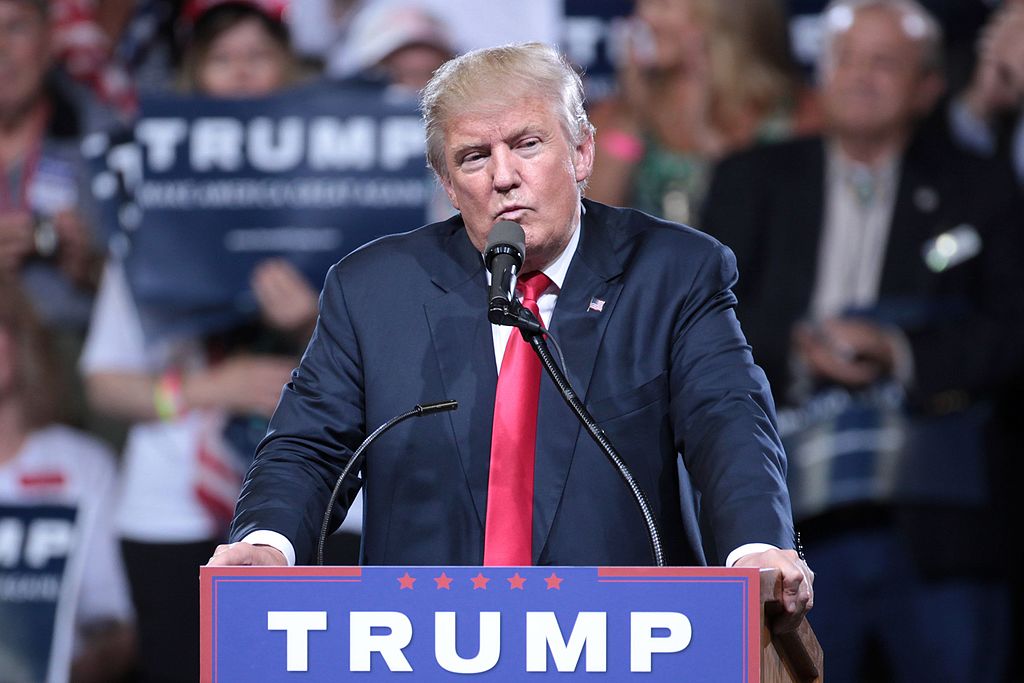
Former President Donald Trump has reignited his firm immigration policies, reportedly planning to refuse any business dealings with countries that do not cooperate in taking back their deported citizens. This hardline approach, which echoes his tenure in office, has sparked a fresh wave of controversy, raising questions about diplomatic relations and the potential economic consequences of such a stance.
Sources close to the former president indicate that Trump views the issue as a critical component of national security and economic stability. “If they won’t take back their people, we won’t do business with them,” Trump was reported saying during a private event with donors. The announcement, though unofficial, has already caused ripples in diplomatic and political circles.
Economic Repercussions Could Be Severe
Trump’s proposed policy could have significant implications for countries heavily reliant on trade with the United States. Nations with high numbers of deportees may face diplomatic pressure to comply or risk losing access to lucrative business opportunities.
However, experts warn that this approach could backfire, potentially leading to strained alliances and economic instability in regions that already face challenges. According to Dr. Meredith Halstead, an international trade analyst, “This policy could harm both sides. Severing economic ties would not only destabilize smaller economies but could also hurt U.S. businesses reliant on global trade.”
Advocates for stricter immigration policies support Trump’s hardline approach, arguing that noncompliance by foreign governments undermines U.S. sovereignty. Meanwhile, critics accuse the former president of using immigration as a political tool to further his 2024 presidential aspirations, prioritizing headlines over diplomacy.
Diplomatic Challenges Loom Over Immigration Crisis
While the United States has long grappled with deportation logistics, countries refusing to accept deportees remain a persistent issue. International laws and diplomatic agreements often complicate the repatriation process, creating friction between governments.
The Biden administration has faced similar challenges, but its approach has leaned on building cooperative agreements rather than issuing ultimatums. Trump’s return to a more combative stance marks a sharp departure from current strategies and underscores the polarized nature of U.S. immigration policy.
Social Media Divided Over Trump’s Remarks
Trump’s reported plan has ignited fiery debates across social media platforms, with supporters and critics expressing their opinions in droves.
- @MAGAChampion2024: “Trump is doing what needs to be done. America first, always! No freeloading countries allowed!”
- @ProgressivePulse: “This policy is cruel and shortsighted. Diplomacy is the key, not more division and threats.”
- @BorderPatriot87: “Finally, someone willing to stand up for our borders. Trump gets it. No more games!”
- @GlobalThinker2024: “Refusing business with allies? This is a reckless move that could isolate America economically.”
- @LibertyAndLogic: “This sounds more like a campaign stunt than a real policy. We need practical solutions, not headlines.”
- @FairTradeWatch: “Trump’s idea might sound tough, but the global economy doesn’t work that way. This could backfire fast.”
What Comes Next?
As speculation over Trump’s 2024 campaign intensifies, his immigration stance is expected to dominate the headlines. Whether this hardline approach will translate into actionable policy remains unclear, but one thing is certain: Trump’s rhetoric continues to polarize public opinion, shaping the nation’s ongoing immigration debate.













