


 Missouri Judge Dismisses Lawsuit Challenging Starbucks’ Diversity and Inclusion Policies
  Jack Lang Resigns as Head of Arab World Institute Amid Epstein Controversy
  Iran–U.S. Nuclear Talks in Oman Face Major Hurdles Amid Rising Regional Tensions
  Trump Lifts 25% Tariff on Indian Goods in Strategic U.S.–India Trade and Energy Deal
  Trump Backs Nexstar–Tegna Merger Amid Shifting U.S. Media Landscape
  China Warns US Arms Sales to Taiwan Could Disrupt Trump’s Planned Visit
  Federal Judge Restores Funding for Gateway Rail Tunnel Project
  U.S. Lawmakers to Review Unredacted Jeffrey Epstein DOJ Files Starting Monday
  Japan Election 2026: Sanae Takaichi Poised for Landslide Win Despite Record Snowfall
  Trump Endorses Japan’s Sanae Takaichi Ahead of Crucial Election Amid Market and China Tensions
  U.S. Announces Additional $6 Million in Humanitarian Aid to Cuba Amid Oil Sanctions and Fuel Shortages
  Netanyahu to Meet Trump in Washington as Iran Nuclear Talks Intensify
  Pentagon Ends Military Education Programs With Harvard University
  U.S.-India Trade Framework Signals Major Shift in Tariffs, Energy, and Supply Chains
  Trump’s Inflation Claims Clash With Voters’ Cost-of-Living Reality
  South Korea Assures U.S. on Trade Deal Commitments Amid Tariff Concerns
  New York Legalizes Medical Aid in Dying for Terminally Ill Patients


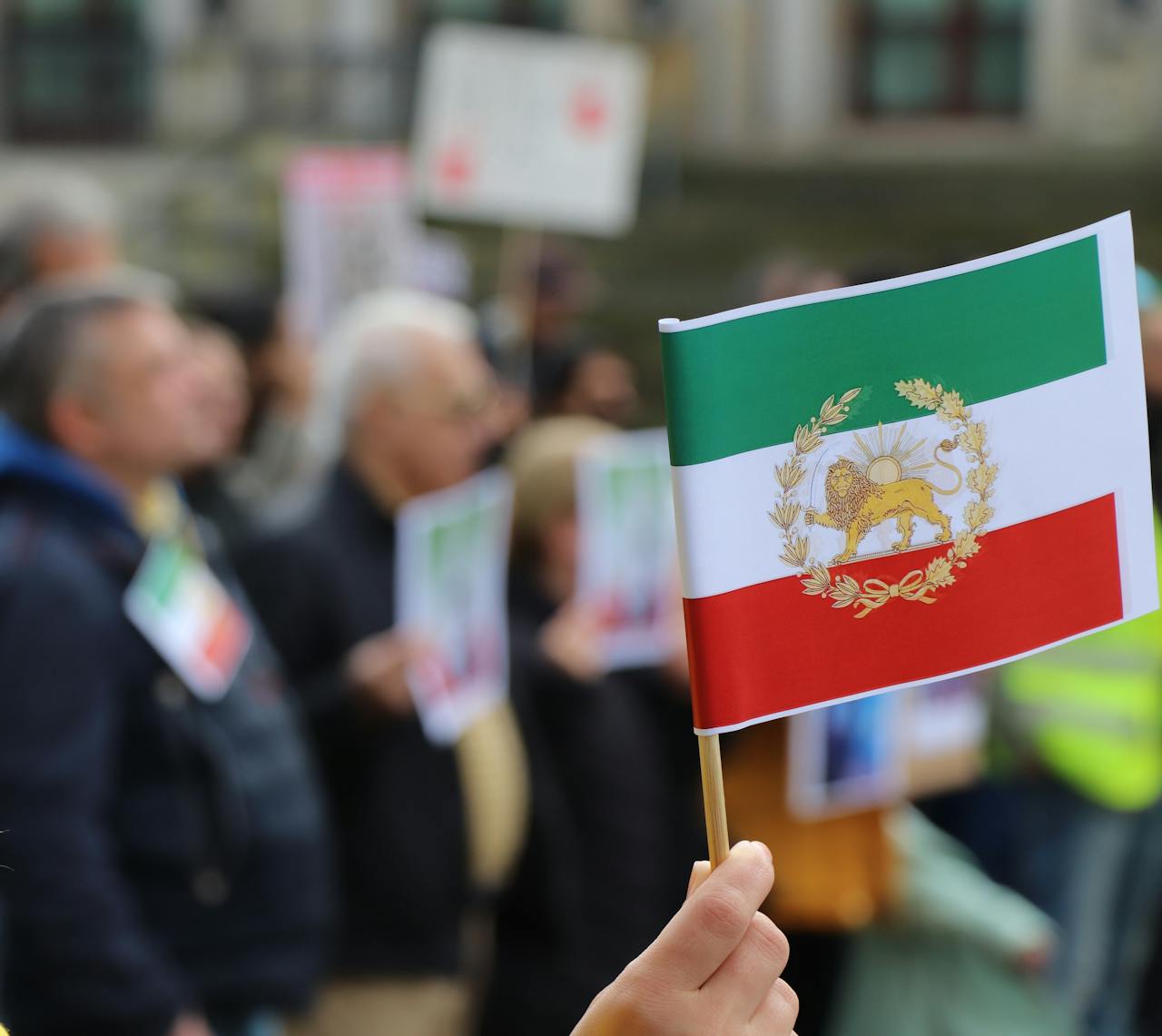
U.S. President Donald Trump said on Wednesday that he hopes there will be no further U.S. military action against Iran, but he issued a firm warning that the United States is prepared to respond if Tehran attempts to revive its nuclear program. Speaking during an interview with CNBC at the World Economic Forum in Davos, Switzerland, Trump emphasized that preventing Iran from developing nuclear weapons remains a top priority for his administration.
“They can’t do the nuclear,” Trump said, underscoring his long-standing position that Iran must not be allowed to advance its nuclear capabilities. While expressing a preference for stability and de-escalation in the Middle East, the president made it clear that Washington would not hesitate to act if Iran crossed what he described as a clear red line.
Trump referred to the large-scale U.S. air strikes carried out in June 2025, which targeted Iran’s nuclear facilities. Those strikes marked a major escalation in tensions between the two countries and were aimed, according to U.S. officials at the time, at significantly setting back Iran’s nuclear development. “If they do it, it’s going to happen again,” Trump said, signaling that similar military action could be repeated if Iran resumes prohibited nuclear activities.
The president’s comments come amid ongoing global concerns about Iran’s nuclear ambitions and regional security. International observers have closely monitored Tehran’s actions following the June 2025 strikes, as well as diplomatic efforts by world powers to prevent further conflict. Trump’s remarks suggest that while the U.S. is not actively seeking confrontation, it remains committed to using military force if necessary to stop Iran from obtaining nuclear weapons.
By reiterating his stance in a high-profile international setting, Trump reinforced the message that U.S. policy toward Iran is centered on deterrence and enforcement. The comments are likely to influence ongoing discussions among allies and adversaries alike, as the future of Iran’s nuclear program continues to be a critical issue for global security and U.S. foreign policy.













