


 Jay Bhattacharya to Continue Leading CDC as White House Searches for Permanent Director
  Iran Allows Oil Tankers Through Strait of Hormuz Amid U.S. Negotiations
  Iran-U.S. Negotiations: Tehran Reviews American Peace Proposal Amid Ongoing Gulf Conflict
  US Military Eyes 10,000 Troop Surge to Middle East Amid Iran Nuclear Tensions
  G7 Foreign Ministers Gather in France Amid Global Tensions and U.S. Policy Uncertainty
  Trump's Signature to Appear on U.S. Currency Starting Summer 2025
  What does China’s host bid mean for the High Seas Treaty?
  Trump Pauses Iran Strikes as Peace Talks Stall Amid Military Buildup
  Iran Demands Lebanon Be Part of Any Ceasefire Deal With Israel and the U.S.
  China Opens Door to Stronger U.S. Trade Ties Amid Rising Tensions
  Ukraine-Russia War: Frontline Updates as Spring Offensive Looms
  California Renames Cesar Chavez Day to Farmworkers Day Following Sexual Abuse Allegations
  Trump's Overhaul of American History: Museums, Monuments, and Cultural Institutions
  WTO Reform Talks Begin in Cameroon Amid Global Trade Tensions
  Russia Strikes Kharkiv and Izmail as Cross-Border Drone War Escalates
  Israeli Airstrike Targets Building in Beirut's Southern Suburbs Amid Ongoing Hezbollah Conflict
  G7 Summit 2026: South Africa Excluded Amid U.S. Pressure, Kenya Invited Instead


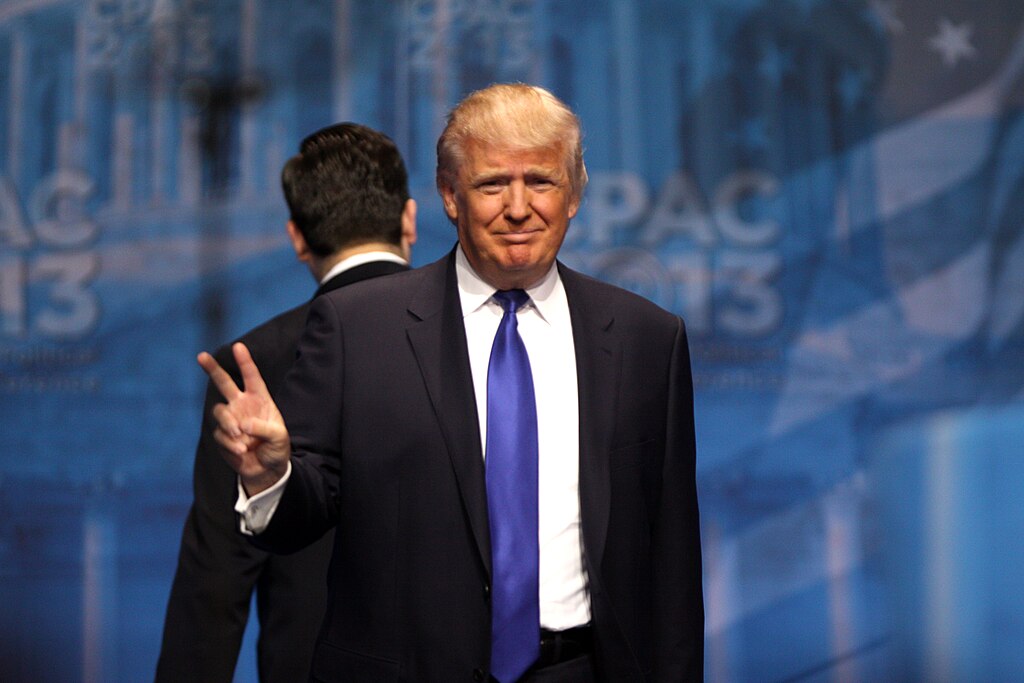
President-elect Donald Trump has announced his intent to grant Robert F. Kennedy Jr. sweeping authority to overhaul U.S. health agencies. The move has sparked intense debate across the political spectrum, with proponents hailing it as a necessary reform and critics warning of potential chaos within the nation’s public health infrastructure.
Kennedy, a vocal critic of government health agencies and an advocate for transparency in scientific research, has been tapped to lead what Trump is calling a "return to gold-standard scientific research." The announcement comes as Trump prepares to take office, doubling down on his campaign promises to shake up Washington’s bureaucracy and challenge what he has repeatedly described as “broken institutions.”
A Controversial Appointment
Kennedy’s appointment has drawn sharp reactions, with supporters praising his commitment to accountability and detractors questioning his qualifications to spearhead such a massive undertaking. Known for his skepticism of vaccines and criticism of the Food and Drug Administration (FDA), Kennedy has pledged to scrutinize policies and practices that he claims have been overly influenced by corporate interests.
Health experts warn, however, that Kennedy’s history of controversial statements could undermine public trust in institutions critical to managing the nation’s healthcare system. “The stakes are enormous,” said one policy analyst. “Reforming these agencies is one thing, but risking the credibility of life-saving institutions is quite another.”
Trump’s Vision for Healthcare Reform
Trump’s decision to empower Kennedy aligns with his broader push to “drain the swamp” and redefine the role of federal agencies. By placing Kennedy in a leadership role, Trump aims to challenge what he perceives as entrenched inefficiencies and restore public confidence in scientific research.
The president-elect has repeatedly criticized agencies like the FDA and Centers for Disease Control and Prevention (CDC) for what he views as slow responses to crises and a lack of innovation. Under Kennedy’s leadership, Trump envisions a reinvention of these organizations to prioritize transparency and evidence-based policymaking.
Health Agencies Face Uncertain Future
Critics argue that Kennedy’s approach could disrupt critical operations and introduce unnecessary risks, particularly during public health emergencies. “Kennedy’s focus on dismantling agency norms could leave the country vulnerable,” warned a former CDC official, noting the importance of stability in maintaining public health infrastructure.
Proponents, however, see the shakeup as long overdue. “There’s a real appetite for change,” said one Republican strategist. “Kennedy’s appointment signals a willingness to challenge the status quo and prioritize public interest over bureaucratic inertia.”
Public Reaction Divided
The announcement has ignited a firestorm on social media, with reactions ranging from enthusiasm to outrage. While some praise the move as a step toward meaningful reform, others fear it could destabilize health systems that millions of Americans rely on.
As Kennedy prepares to take the reins, the future of U.S. health agencies hangs in the balance. Whether his leadership will usher in a new era of innovation or lead to unforeseen consequences remains to be seen.







