


 Trump Administration Dismisses Entire National Science Board, Raising Concerns Over Scientific Independence
  US Launches Retaliatory Strikes on Iran Amid Rising Strait of Hormuz Tensions
  Judge Rules DOGE Humanities Grant Cuts Unconstitutional
  U.S.-China Beef Trade Deal Hopes Rise Ahead of Trump-Xi Summit
  FEMA Reinstates Employees After Dissent Letter, Signaling Shift in Workforce Stability
  U.S. Fast-Tracks $8.6 Billion Arms Sales to Middle East Allies Amid Rising Tensions
  U.S. Budget Airlines Seek $2.5 Billion Government Aid Amid Rising Jet Fuel Costs
  China-Made Fireworks Power U.S. Independence Day Celebrations Amid Trade Truce
  Ukraine-Russia Ceasefire Confirmed as Prisoner Swap Deal Advances
  Iran Accuses U.S. of Violating Strait of Hormuz Ceasefire with Ship and Coastal Attacks
  U.S. Sanctions Former DR Congo President Joseph Kabila Over Rebel Support
  Trump Reportedly Approves Plan to Remove FDA Commissioner Marty Makary Amid Growing Controversies
  Trump Administration Releases New UFO Files and Apollo Mission Records
  Medicare to Cover GLP-1 Weight-Loss and Diabetes Drugs Starting July 1
  Israel’s Secret Iraq Base Allegedly Supported Iran Air Campaign, WSJ Reports
  Senate Stablecoin Bill Sparks Clash Between Banks and Crypto Industry
  CDC Monitors U.S. Travelers After Hantavirus Outbreak on Luxury Cruise Ship


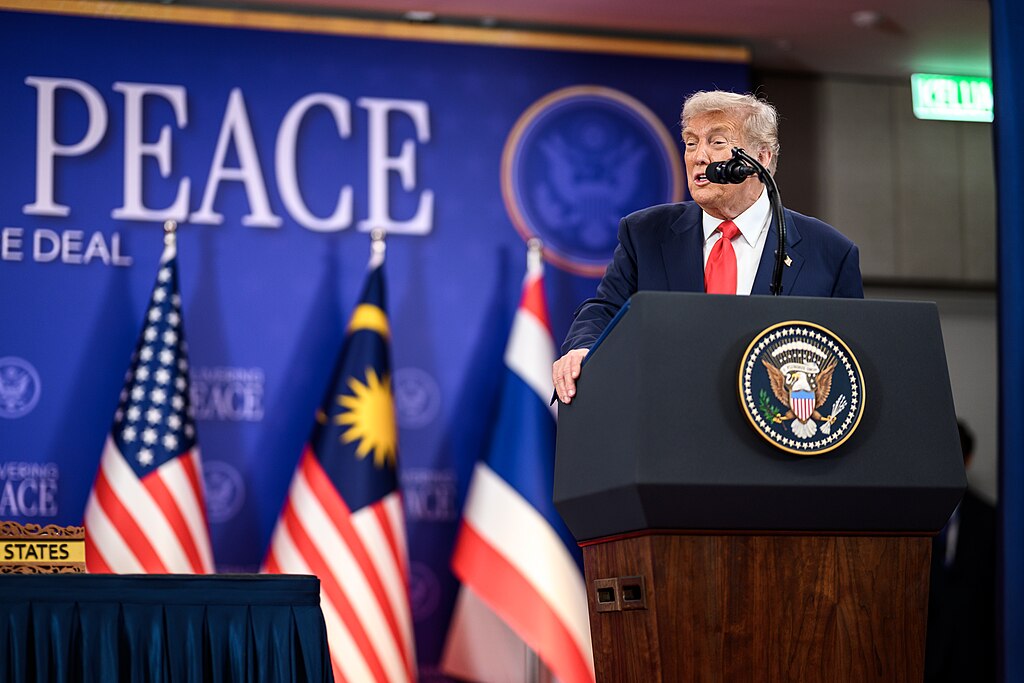
U.S. President Donald Trump has signed a new executive order designed to protect revenue generated from the sale of Venezuelan oil that is currently held in U.S. Treasury accounts. According to a statement released by the White House on Saturday, the order prevents these funds from being subject to attachment, seizure, or any form of judicial process, reinforcing Washington’s broader strategy toward Venezuela’s ongoing political and economic crisis.
The White House emphasized that the executive order is a proactive measure aimed at safeguarding Venezuelan oil revenue from legal claims that could divert the funds away from their intended purpose. In a fact sheet accompanying the announcement, the administration stated that President Trump is acting to stop the seizure of these assets, warning that such actions could undermine critical U.S. efforts to promote economic recovery and political stability in Venezuela.
Venezuelan oil revenue has become a highly sensitive issue amid years of U.S. sanctions, international legal disputes, and internal political turmoil within Venezuela. Funds derived from oil exports and held in U.S. financial institutions have been vulnerable to lawsuits from creditors and other claimants seeking compensation for unpaid debts and expropriations. The new executive order seeks to block those legal efforts by placing the revenue beyond the reach of U.S. courts.
The Trump administration has consistently argued that protecting Venezuelan state assets abroad is essential to ensuring they can eventually be used for the benefit of the Venezuelan people, rather than being consumed by prolonged legal battles. By shielding oil revenue from judicial action, the U.S. government aims to maintain leverage in diplomatic negotiations while supporting its stated goal of fostering democratic governance and economic stability in Venezuela.
This move also reflects Washington’s broader foreign policy approach toward Caracas, combining economic pressure with measures intended to preserve key national resources. The executive order is likely to draw attention from international creditors, legal experts, and policymakers, as it underscores the complex intersection of sanctions, sovereign assets, and geopolitical strategy surrounding Venezuelan oil and U.S.-Venezuela relations.







