


 US Reviews Mexican Consulates Amid Rising Diplomatic Tensions
  Google Secures Pentagon AI Deal for Classified Projects
  Pope Leo Calls for Peace as Vatican Seeks Better Ties With U.S.
  US Launches Retaliatory Strikes on Iran Amid Rising Strait of Hormuz Tensions
  U.S., South Korea Launch Shipbuilding Partnership Initiative
  Medicare to Cover GLP-1 Weight-Loss and Diabetes Drugs Starting July 1
  FEMA Reinstates Employees After Dissent Letter, Signaling Shift in Workforce Stability
  Trump Expands Cuba Sanctions Targeting Key Sectors and Foreign Entities
  Rubio Presses Italy Over Iran Support as Tensions Test U.S.-Italy Alliance
  Senate Stablecoin Bill Sparks Clash Between Banks and Crypto Industry
  New York Moves to Ban Masked Law Enforcement During Immigration Operations
  White House Withdraws Trump’s National Park Service Nominee Amid Criticism
  U.S. Sanctions Former DR Congo President Joseph Kabila Over Rebel Support
  Trump Administration Dismisses Entire National Science Board, Raising Concerns Over Scientific Independence
  Trump Reportedly Approves Plan to Remove FDA Commissioner Marty Makary Amid Growing Controversies
  US to Withdraw 5,000 Troops from Germany Amid Growing Rift with European Allies


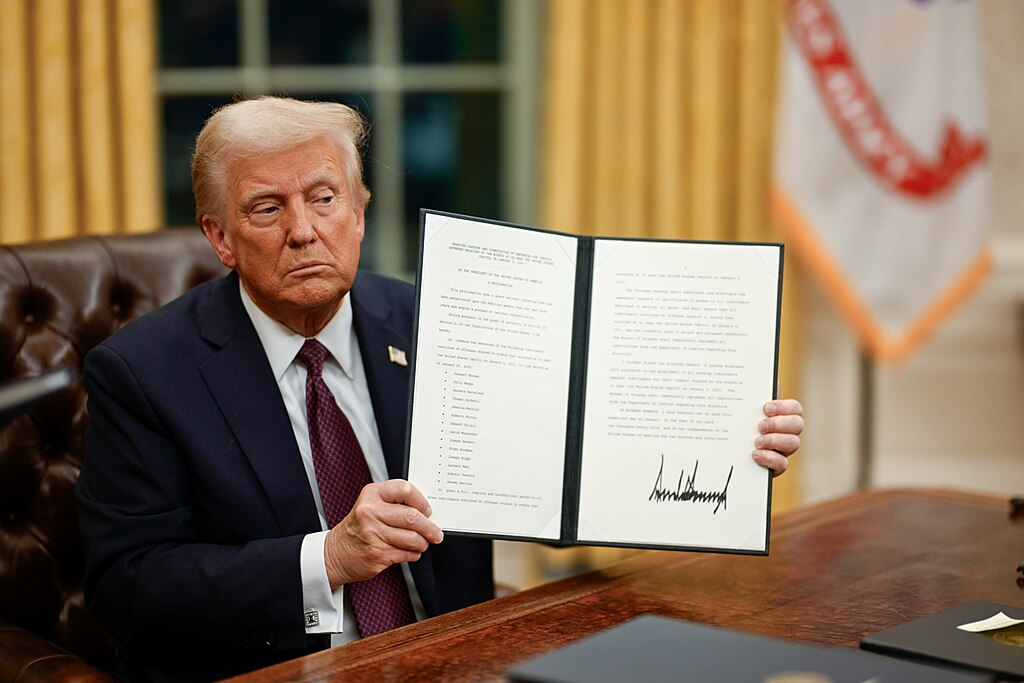
U.S. President Donald Trump signed an executive order on April 9 aimed at revitalizing American shipbuilding and curbing China’s growing control over the global shipping industry. The order proposes significant investments in U.S. shipbuilding and infrastructure while targeting Chinese-linked maritime activities.
The directive instructs the U.S. Trade Representative (USTR) to finalize a plan by April 17 that could impose million-dollar port docking fees on ships associated with Chinese-built or Chinese-flagged fleets. Tariffs may also target ship-to-shore cranes and other cargo handling equipment made in China or by companies under Chinese influence. Lawmakers from both parties, including Senators Mark Kelly and Todd Young, expressed support and plan to reintroduce bipartisan legislation to strengthen U.S. maritime capacity.
The USTR, led by Jamieson Greer, emphasized that not all proposed measures will be implemented, noting ongoing evaluation based on public feedback to minimize supply chain disruption and inflation. The order also directs the Department of Homeland Security to enforce harbor maintenance fee collection and stop fee evasion via Canadian and Mexican ports.
Trump stressed the urgent need to rebuild domestic shipbuilding capabilities, citing that the U.S. now produces less than 1% of global commercial ships, compared to China’s 50%. The executive order establishes a Maritime Security Trust Fund to ensure sustainable funding for the sector, possibly sourced from new tariffs, fines, and fees. It also includes incentives for private investment in shipyard upgrades, dry docks, and the domestic manufacturing of ship components.
With the U.S. shipbuilding industry struggling since its peak in the 1970s, the new policy aims to regain competitiveness and secure national maritime security, while encouraging allied nations to adopt similar strategies.







