


 SoftBank Eyes $20 Billion Bond Sale to Refinance OpenAI Loan
  Iceland Counts Votes in Close EU Membership Talks Referendum
  Salesforce Shares Surge as AI Demand Powers Q2 Earnings Beat
  Toyota Global Sales Fall as China Demand Slumps
  Google Expands Gemini Enterprise With AI Tools for Legal Sector
  Trump Administration Moves to Strip ABA of Law School Accreditor Status
  Jefferies Names AMEC Top China Semiconductor Equipment Pick
  Norway’s King Harald Dies at 89, Haakon VIII Takes Throne
  SEC Proposes ‘Regulation Crypto Assets’ Framework for Crypto Fundraising
  Iran Condemns New US Sanctions as Hormuz Standoff Deepens
  Meta, U.S. States Discuss Settlement in Teen Addiction Trial
  Nvidia Options Price in $280 Billion Earnings Swing
  Israel Weighs Expelling UK Officials From Gaza Coordination Center
  Iran Weighs Conditions to Reopen Strait of Hormuz
  Mercer International Stock Surges 45% on C$20 Million Canada Funding
  Australia Pledges $3.6M for Nepal-China Flood Relief


 Add as a preferred source on Google
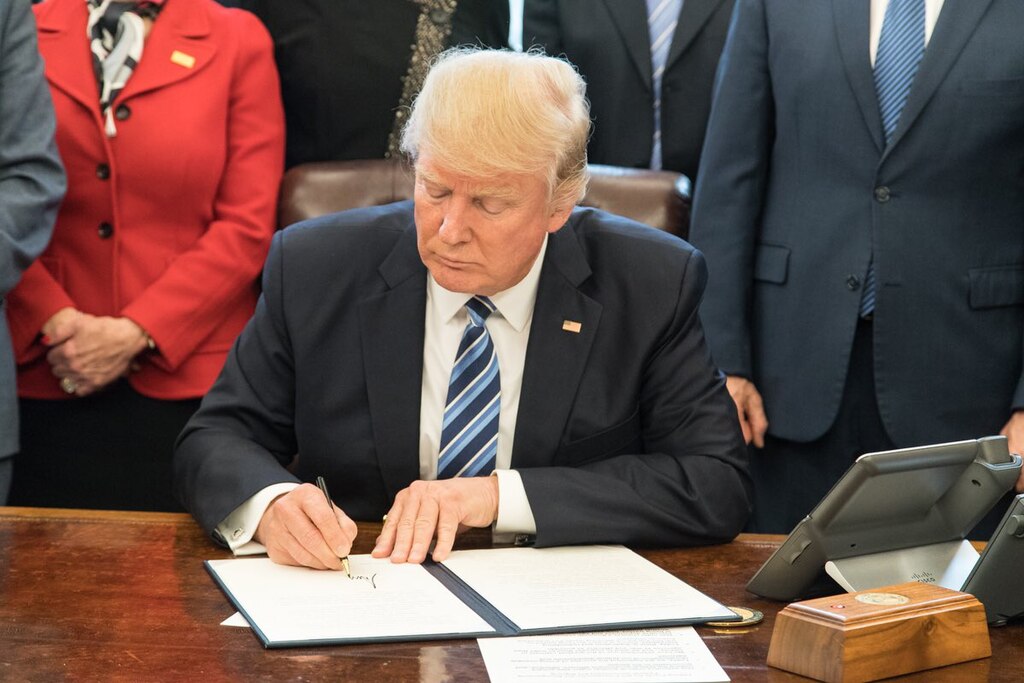
U.S. President Donald Trump has signed an executive order confirming his plan to sell TikTok’s American operations to U.S. and international investors, aiming to meet the national security requirements of the 2024 law that mandates the app’s divestiture. Enforcement of the law, which would otherwise ban TikTok in the U.S., has been postponed until December 16 to allow time for restructuring the deal and securing approval from both American regulators and the Chinese government.
Vice President JD Vance announced that the new U.S.-based TikTok company will be valued at around $14 billion, far below some Wall Street estimates. While ByteDance, TikTok’s Chinese parent, is valued at over $330 billion, analysts such as Wedbush’s Dan Ives estimate TikTok’s worth in the $30 billion to $40 billion range without its key algorithm. Ownership of this algorithm remains one of the most contentious details in the negotiations.
According to sources, a group led by Oracle and Silver Lake will acquire about 50% of TikTok U.S., while existing ByteDance investors such as KKR, General Atlantic, and Susquehanna International Group will hold around 30%. ByteDance itself will retain less than 20% in order to comply with U.S. law, but will still appoint one of seven board members, with the remaining seats controlled by Americans. Other high-profile investors, including Michael Dell and Rupert Murdoch, are also expected to participate.
Trump emphasized that the deal ensures TikTok will remain “American-operated all the way,” while protecting the privacy of its 170 million U.S. users. He credited TikTok with helping him connect with voters, noting his own 15 million followers on the app.
Although the White House has not explained the low $14 billion valuation, investor interest remains strong, with reports indicating additional global partners like Abu Dhabi’s MGX may secure a stake. Lawmakers have urged transparency to guarantee the deal fully severs ties with the Chinese government and safeguards American data.
This sale marks a critical step in resolving one of the most closely watched technology and national security disputes between Washington and Beijing.







