


 Germany Rejects Putin’s Proposal for Schroeder to Mediate Ukraine Peace Talks
  Qatar Condemns Drone Strike as Iran Conflict Threatens Gulf Shipping and Global Markets
  Rubio Presses Italy Over Iran Support as Tensions Test U.S.-Italy Alliance
  Israel’s Secret Iraq Base Allegedly Supported Iran Air Campaign, WSJ Reports
  Malaysia Unveils Energy Security Plan Amid Iran Conflict and Rising Oil Costs
  China-Made Fireworks Power U.S. Independence Day Celebrations Amid Trade Truce
  Trump Announces Russia-Ukraine Ceasefire for May 9-11 Amid Ongoing Peace Talks
  U.S.-China Beef Trade Deal Hopes Rise Ahead of Trump-Xi Summit
  Trump Invites Top CEOs Including Nvidia, Apple, Boeing to China Summit With Xi Jinping
  Qatar LNG Tanker Crosses Strait of Hormuz Amid Iran War Tensions
  Judge Rules DOGE Humanities Grant Cuts Unconstitutional
  US Revises UN Resolution on Iran Strait of Hormuz Attacks Amid Russia-China Opposition
  Russia Accuses Ukraine of Ceasefire Violations Amid Drone and Artillery Attacks
  Ukraine-Russia Ceasefire Confirmed as Prisoner Swap Deal Advances
  Russian LNG Shadow Fleet Expands Amid Arctic LNG 2 Sanctions
  Trump-Xi Beijing Summit to Focus on Trade, Taiwan, and Boeing Deal
  Senate Stablecoin Bill Sparks Clash Between Banks and Crypto Industry


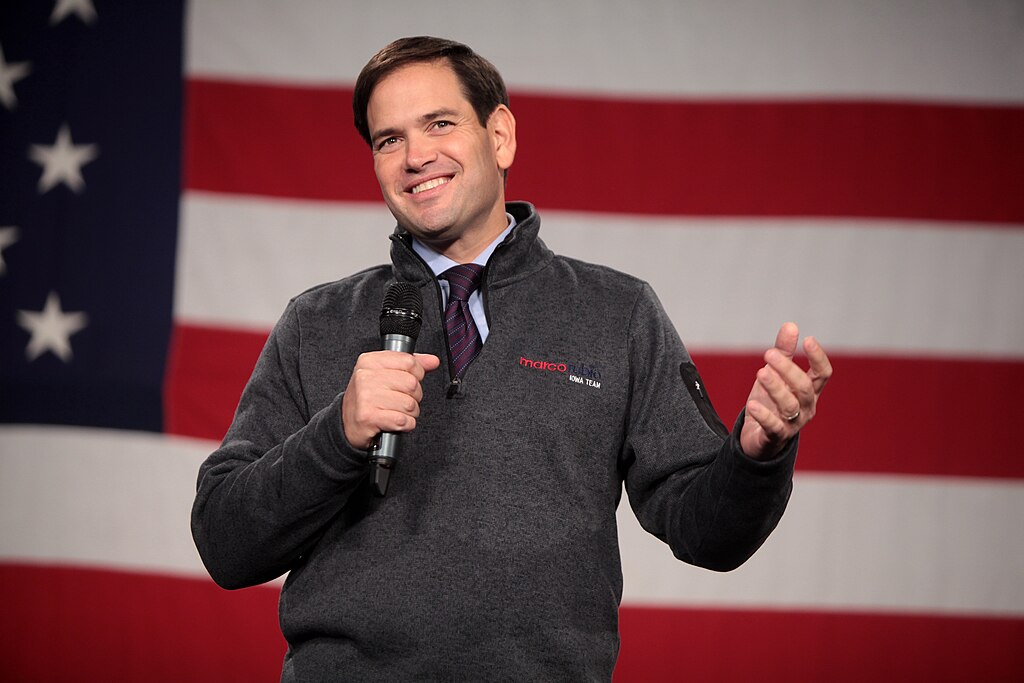
President-elect Donald Trump has named Florida Sen. Marco Rubio as his choice for Secretary of State. Known for his hawkish stance on foreign policy and robust views on U.S.-China relations, Rubio’s appointment is expected to bring a new level of assertiveness to America’s diplomatic front. While supporters see Rubio as a strong choice to represent U.S. interests on the global stage, critics worry that his confrontational approach could heighten tensions with key nations.
Rubio, a prominent figure in the Republican Party, has long been outspoken on foreign policy issues, particularly regarding China, Russia, and Latin America. His advocacy for democracy and human rights abroad, coupled with his tough stance on authoritarian regimes, has earned him both supporters and detractors within Washington’s corridors of power. As Secretary of State, he will be tasked with reshaping U.S. foreign policy after four years of President Joe Biden’s more restrained approach.
Trump made the announcement during a press briefing at his Mar-a-Lago resort, emphasizing Rubio’s commitment to American values and his readiness to face international challenges.
Rubio’s Strong Stance on China and Russia
Rubio’s appointment is likely to signal a harder line on China and Russia, two countries he has frequently criticized during his time in the Senate. He has pushed for stricter policies to counter China’s economic and political influence, expressing concern over Beijing’s growing control in Latin America, Asia, and even Africa. On the Senate floor, Rubio has often condemned China’s human rights record, accusing the Chinese Communist Party of oppressive practices, especially regarding the Uyghur Muslim population and Hong Kong.
This hawkish stance may significantly influence U.S. policy towards China, with analysts predicting a renewed emphasis on countering Chinese influence globally. Additionally, Rubio’s vocal opposition to Vladimir Putin and the Russian government aligns with Trump’s continued stance on safeguarding American interests in Eastern Europe.
A Mixed Reaction in Washington
Reaction to the announcement has been swift and divided. Many Republicans have praised the choice, calling it a move to strengthen U.S. foreign policy. “Marco Rubio is a patriot who understands the threats we face today,” said Sen. Lindsey Graham, a close Trump ally. “His leadership at the State Department will be instrumental in restoring American power abroad.”
However, Democrats and some foreign policy experts have expressed concerns about Rubio’s aggressive style. They argue that his approach could lead to strained relationships with allies and increase global tensions, particularly in sensitive regions like the Middle East and Asia. Sen. Chris Murphy, a Democrat from Connecticut and member of the Foreign Relations Committee voiced his reservations, stating, “This appointment is a clear sign that the Trump administration intends to pursue an aggressive and potentially destabilizing foreign policy.”
Rubio’s Vision for the State Department
In a brief statement, Rubio said he was “honored” by the nomination and eager to “advance America’s interests and values around the world.” He outlined his intention to stand up against authoritarian regimes and support democracies worldwide, a message that resonates with many but has also raised eyebrows among international leaders concerned about potential diplomatic friction.
If confirmed, Rubio will be one of the youngest Secretaries of State in recent history, marking a generational shift in the role. Known for his passionate speeches and direct approach, he is expected to bring a new energy to Foggy Bottom.







