


 North Korea Vows to Strengthen Nuclear Arsenal Amid U.S. Tensions
  King Haakon VIII Honors Late Father Harald in First Address
  Pinterest Stock Falls as CFO Julia Brau Donnelly Resigns
  Brazil, US Resume Tariff Talks as Trade Tensions Persist
  Google Changes EU Spam Policy Amid Antitrust Scrutiny
  Mercer International Stock Surges 45% on C$20 Million Canada Funding
  US Treasury Plans Weekly Iran Sanctions Push
  Augusto Cury Surges in Brazil Presidential Polls
  Israeli Airstrike Kills Hamas Operative, Two Others in West Bank
  Canada Backs €100 Billion Global Defence Bank
  The Realist’s Case: Lukas Kerrebijn of RD Dubai on the Narrative Dubai’s Agents Won’t Question
  Iran Targets U.S. Forces in Jordan as Missiles Intercepted
  Shein Hong Kong IPO to Raise $1.7 Billion at $26.5 Billion Valuation
  Nvidia Pauses AI Cloud Financing Deals Amid Antitrust Concerns
  Toyota Global Sales Fall as China Demand Slumps
  Trump Says ExxonMobil Among Oil Majors Planning Venezuela Return
  Nepal Seeks More China Glacier Data After Deadly Himalayan Flood


 Add as a preferred source on Google
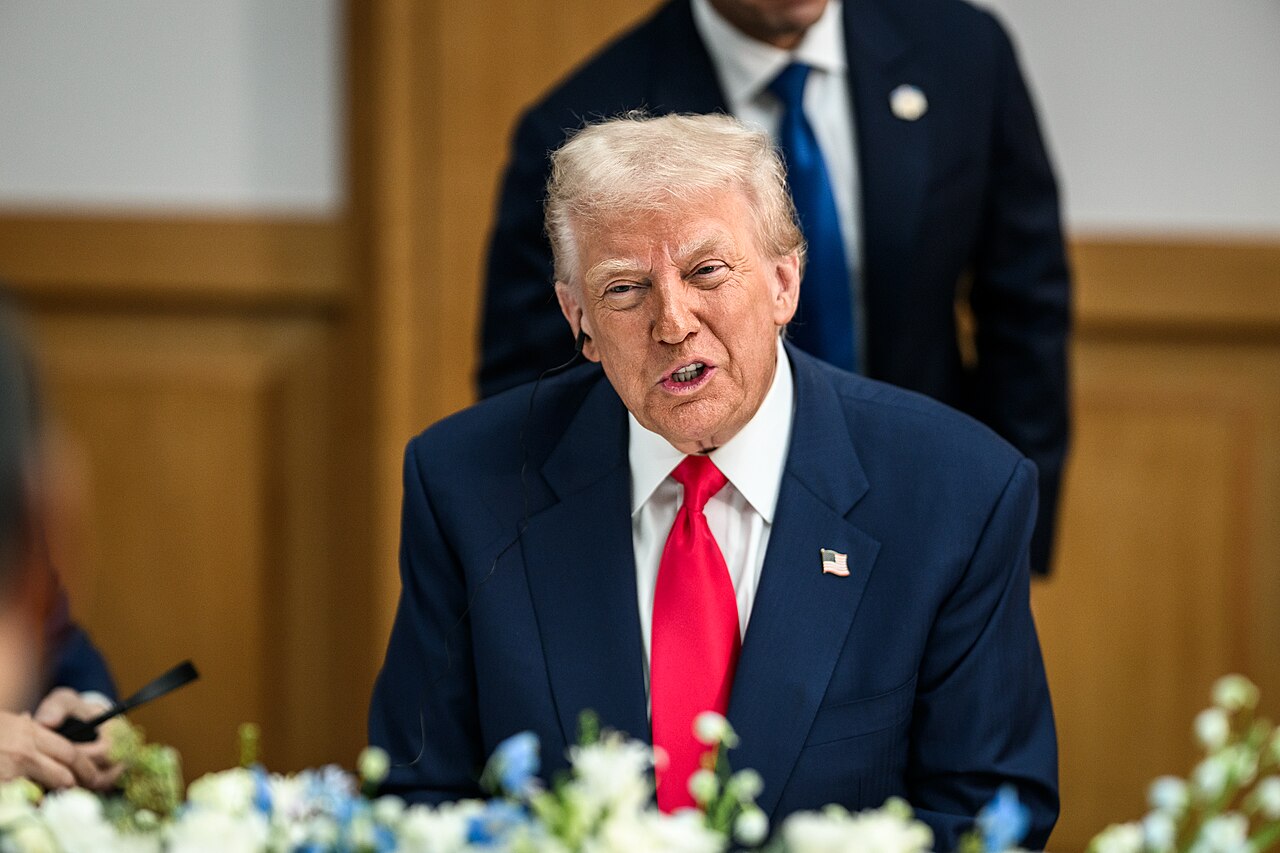
President Donald Trump announced new drug pricing agreements with nine pharmaceutical companies on Monday, expanding his administration’s campaign to lower prescription drug costs for Americans.
The agreements involve Astellas, BeOne Medicines, CSL, BridgeBIO, Sun Pharmaceutical, Teva and UCB SA, among other participating drugmakers. Under the deals, the companies will provide medicines to state Medicaid programs at most-favored-nation prices, tying costs more closely to lower prices available in other developed countries.
Speaking during an Oval Office event alongside pharmaceutical executives, Trump said the agreements would deliver significant discounts and help reduce healthcare expenses for patients across the United States.
Prescription drug prices in the U.S. remain among the highest in the developed world. Americans can pay nearly three times as much for certain medicines as patients in other wealthy countries. The Trump administration has increasingly pressured pharmaceutical companies to narrow that gap by adopting international reference pricing.
The latest agreements build on deals reached with 17 major pharmaceutical companies beginning last year. Pfizer, Eli Lilly and Amgen were among the companies that previously agreed to lower prices on selected medicines for federal healthcare programs.
Some participating drugmakers also committed to selling certain prescription medicines directly to American patients through a Trump-branded website. In return, companies received tariff relief as part of the administration’s broader effort to negotiate lower drug prices.
At the center of Trump’s strategy is the most-favored-nation drug pricing model. The policy seeks to ensure that U.S. government healthcare programs do not pay substantially more for medicines than comparable developed countries.
The latest pharmaceutical agreements signal that lowering prescription drug costs remains a major healthcare priority for the Trump administration. If implemented broadly, the pricing model could increase pressure on drugmakers to reduce U.S. prices while potentially reshaping how medicines are priced across international markets.







