


 Trump Urges Iran to Sign Nuclear Deal Amid Ongoing Conflict and Port Blockade
  Victoria's Free Public Transport Extension Eases Cost-of-Living Pressure Amid Global Fuel Crisis
  NYC Mayor Urges King Charles to Return Koh-i-Noor Diamond During U.S. Visit
  White House Defends Trump’s FIFA Peace Prize Amid Global Criticism
  US Freezes $344M in Crypto Linked to Iran Amid Escalating Sanctions
  RFK Jr. Faces Scrutiny Over David Geier’s HHS Role and Vaccine Review Work
  Federal and State Authorities Conduct Widespread Fraud Raids Across Minnesota
  U.S. Freezes Dollar Transfers to Iraq, Pressures Government Over Iran-Backed Militias
  Los Angeles Mayor Says White House Must Reassure Fans Ahead of FIFA World Cup
  Trump Administration Files Fraud Charges Against Southern Poverty Law Center Over Informant Payments
  Former FBI Director James Comey Charged Over Alleged Threat Against President
  Trump Considers Reducing U.S. Troops in Germany Amid NATO Tensions
  White House Withdraws Trump’s National Park Service Nominee Amid Criticism
  Trump’s U.S. Open Visit Delays Final, Fans Face Long Security Lines
  LA28 Confirms Olympic Athletes Exempt from Trump’s Travel Ban
  Brazil Pension Fund Crackdown After Banco Master Collapse Raises Investment Concerns
  US Ties UN Funding to Reforms and Efforts to Counter China’s Influence


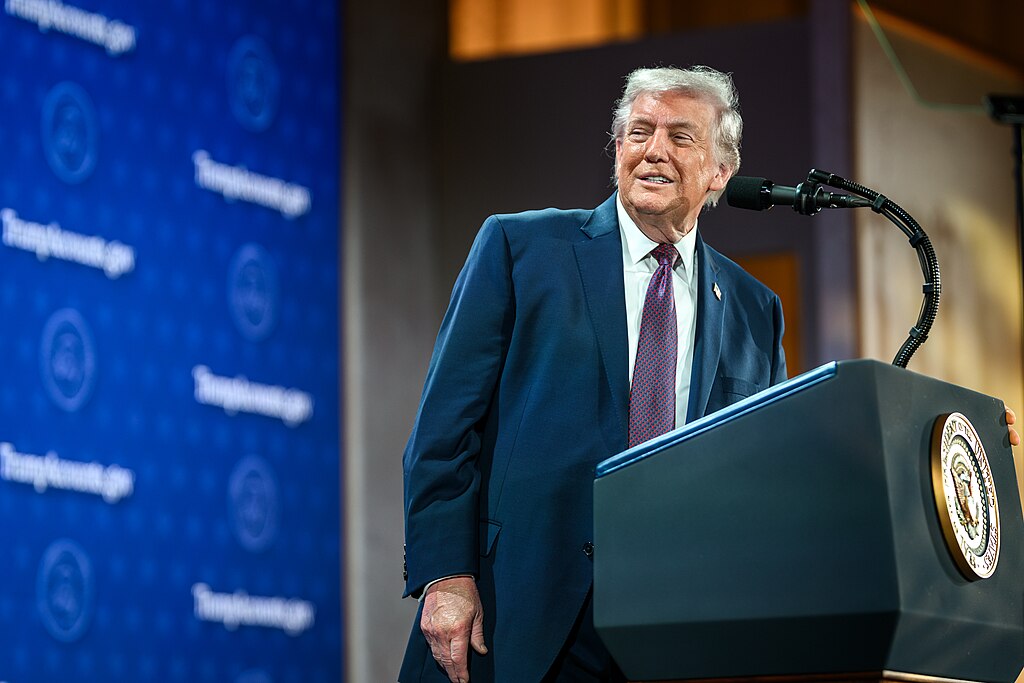
U.S. President Donald Trump said Friday that the rapidly increasing costs associated with college football programs are harming collegiate athletics overall and pledged to introduce a new executive order within the next week aimed at addressing the issue.
Speaking at a gathering in the White House East Room that included lawmakers, college sports commissioners, coaches, and former athletes, Trump stressed the urgency of reforming the current system. He warned that soaring spending tied to name, image, and likeness (NIL) deals is placing significant financial pressure on universities and threatening the stability of non-revenue college sports programs.
“We have to save college sports,” Trump said during the meeting, emphasizing that Congress should ultimately pass legislation to regulate NIL compensation. However, he acknowledged that his planned executive order could face legal challenges and may ultimately be tested in the courts.
The president previously signed an executive order in July aimed at restricting certain third-party recruiting payments to college athletes in high-revenue sports such as football and men’s basketball. The goal of that directive was to preserve funding for women’s sports and other athletic programs that generate less revenue.
Trump indicated that the upcoming executive order will be broader and more comprehensive than the earlier measure. He pointed to the rapidly growing value of NIL contracts, particularly for college football players, as a key factor driving rising costs across athletic departments.
Until 2021, the National Collegiate Athletic Association (NCAA) prohibited student-athletes from earning money from their name, image, and likeness. That policy changed after a U.S. Supreme Court ruling prompted the NCAA to allow athletes to receive compensation, transforming the landscape of college athletics.
Trump said the financial impact on universities has been substantial. “The amount of money being spent and lost by otherwise very successful schools is astounding,” he said. While expressing nostalgia for the former scholarship-based system, he acknowledged that returning to it is unrealistic.
Lawmakers are also weighing legislative solutions. The U.S. House of Representatives has been considering a bill that would create a national framework for NIL agreements. House Speaker Mike Johnson said the measure may now have enough support to pass the chamber.
Despite optimism from some lawmakers, Trump expressed doubts about whether Congress would act quickly. As a result, he plans to move forward with an executive order based on proposals discussed during the White House meeting and allow courts to determine its legality.
Former Alabama football coach Nick Saban also spoke at the event, advocating for a structured revenue-sharing model in college athletics. Saban said new rules should also address eligibility concerns, noting that some athletes can remain in college sports for six or seven years, competing well into their mid-20s.
House Majority Leader Steve Scalise proposed limiting how often athletes can transfer between schools. He supported the idea of allowing only one transfer and restricting players to five years of competition.
While football and basketball dominate college sports revenue, officials warned that cuts to smaller programs could harm the United States’ pipeline for Olympic sports. Many Olympic athletes develop through college athletics programs, making the broader health of collegiate sports an important national concern.
Notably, the White House discussion did not include any currently active college athletes, despite the policies directly affecting them.







