


 Denmark Election 2025: Social Democrats Suffer Historic Losses Amid Migration and Cost-of-Living Tensions
  ICE Arrest of Guatemalan Woman at San Francisco Airport Sparks Outrage
  G7 Foreign Ministers Gather in France Amid Global Tensions and U.S. Policy Uncertainty
  Cuba Receives Humanitarian Aid Convoy Amid U.S. Sanctions
  Trump Seeks Quick End to U.S.-Iran Conflict Amid Ongoing Middle East Tensions
  Russia Strikes Kharkiv and Izmail as Cross-Border Drone War Escalates
  Iran Demands Lebanon Be Part of Any Ceasefire Deal With Israel and the U.S.
  Taiwan Arms Deal on Track Despite U.S.-China Summit Uncertainty
  Iran-U.S. Negotiations: Tehran Reviews American Peace Proposal Amid Ongoing Gulf Conflict
  Trump Says Iran Offered Major Energy Concession Amid Ongoing Negotiations
  Kristi Noem Ends Western Hemisphere Tour in Diminished Role After DHS Firing
  Bachelet Pushes Forward With UN Secretary-General Bid Despite Chile's Withdrawal
  Denmark Election 2026: Frederiksen Eyes Third Term Amid Trump-Greenland Tensions
  Trump Backs Down on Iran Strikes After Gulf Allies Sound the Alarm
  Iran-Israel Missile Strikes Continue Amid Mixed Signals on U.S.-Iran Diplomacy
  Trump Administration Settles Lawsuit Barring Federal Agencies from Pressuring Social Media Censorship
  Trump's Overhaul of American History: Museums, Monuments, and Cultural Institutions


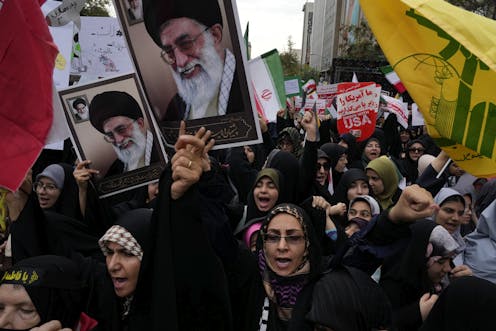
Multiple U.S. intelligence sources confirm that Iran's clerical government remains firmly in control following nearly two weeks of intense military bombardment by American and Israeli forces. According to three anonymous sources familiar with classified assessments, a large volume of intelligence reports consistently conclude that the Iranian regime faces no imminent threat of collapse and continues to maintain authority over its population.
The most recent assessment was completed within days of this reporting, reinforcing earlier findings about the government's resilience. This conclusion holds even after the killing of Supreme Leader Ayatollah Ali Khamenei on February 28, the opening day of the joint U.S.-Israeli military campaign. Senior Israeli officials have privately echoed similar sentiments, acknowledging uncertainty about whether the ongoing strikes will ultimately bring down the clerical government.
The Trump administration has offered inconsistent explanations for launching what represents the largest U.S. military operation since 2003. While President Trump initially encouraged Iranian citizens to overthrow their government, White House officials later walked back that characterization. Trump has since signaled the operation could wind down soon, partly due to mounting pressure over rising global oil prices.
Despite the deaths of dozens of senior officials and top commanders within Iran's Islamic Revolutionary Guard Corps, intelligence assessments suggest the IRGC and newly installed interim leadership continue to govern effectively. Following Khamenei's death, the Assembly of Experts appointed his son, Mojtaba Khamenei, as the new supreme leader.
Analysts suggest that toppling the government would likely require a ground invasion to create conditions for widespread civilian uprising. The Trump administration has not ruled out deploying U.S. troops inside Iran. Meanwhile, Iranian Kurdish militias have expressed willingness to engage Iranian security forces but intelligence assessments indicate these groups lack sufficient weapons and manpower to mount a sustained offensive. Trump has publicly ruled out supporting such an incursion.













