


 Iran-U.S. Oil Tensions Escalate as Revolutionary Guards Threaten Strait of Hormuz Blockade
  Dollar Strengthens Amid Oil Price Surge and Inflation Fears
  Asian Markets Retreat as Oil Prices Surge Toward $100 Amid Middle East Tensions
  Dollar Stabilizes Amid Iran War Uncertainty as Oil Prices Remain Elevated
  U.S. Markets Slip Amid Iran Conflict Uncertainty as Oil Prices Retreat
  Dollar Steadies as Traders Await Clarity on U.S.-Israel-Iran War
  UK Housing Market Slows Amid Geopolitical Tensions and Mortgage Rate Fears
  Diesel Price Surge Threatens Global Economy Amid Middle East Conflict
  RBA Rate Decision: Deputy Governor Signals Genuine Debate Ahead of March Meeting
  Iran-Israel War Sparks Global Oil Crisis as Tankers Burn in Gulf Waters
  U.S. Futures Slide as Oil Prices Surge on Middle East Shipping Attacks
  Venezuela Names Paula Henao as New Oil Minister Amid U.S.-Led Industry Overhaul
  IEA Releases Record 400 Million Barrels of Oil Amid U.S.-Iran War
  Oil Prices Surge Toward $100/Barrel After Tanker Attacks in Iraqi Waters
  Asian Stock Markets Rise as Oil Prices Pull Back; U.S. CPI in Focus
  Chinese AI Stocks Surge as Tencent, MiniMax, and Zhipu Launch Agentic AI Programs
  U.S.-Israel War on Iran Sends Crude Oil Prices Surging Amid Strait of Hormuz Tensions


Asian currencies remained broadly under pressure on Tuesday as geopolitical uncertainty surrounding the U.S.-Israel war with Iran continued to weigh on investor sentiment. The U.S. dollar index edged up 0.2% during Asian trading hours, supported by concerns that the ongoing conflict could fuel inflationary pressures across global markets.
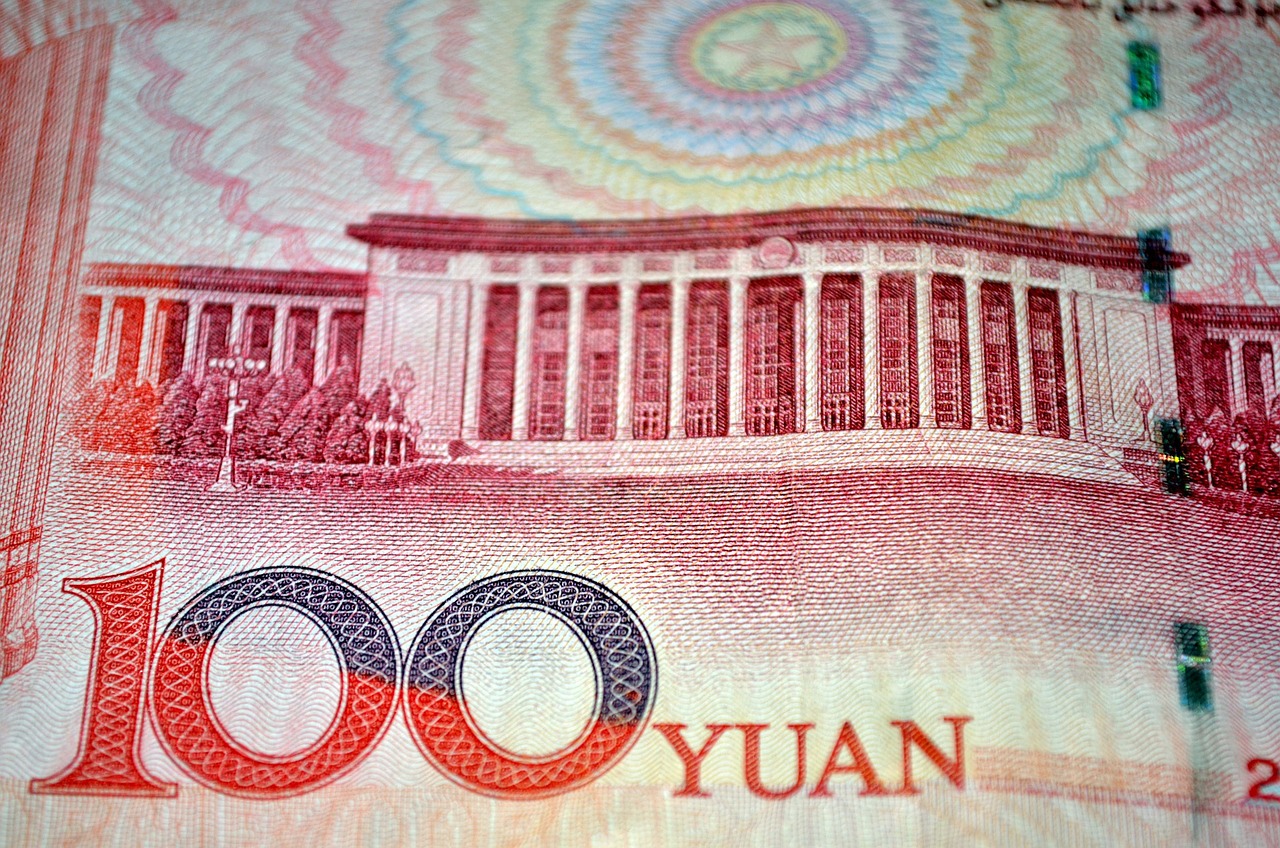
The Chinese yuan stood out as a regional outperformer, with the USD/CNY pair dropping nearly 0.3% and breaking back below the 6.9 level. The currency gained momentum after China's January-February trade data revealed a significantly larger-than-expected trade surplus, driven by a strong surge in exports. Solid domestic spending during the Lunar New Year holiday also helped push imports higher than anticipated, though analysts remain cautious about whether that consumer momentum will be sustained beyond the festive season. The People's Bank of China further supported the yuan by setting a stronger-than-expected daily midpoint fix.
The Japanese yen saw minimal movement, with USD/JPY rising just 0.1%. Revised fourth-quarter GDP figures showed Japan's economy expanded more robustly than initially reported, buoyed by strong capital expenditure and steady household consumption. While the data signals economic resilience and gives the Bank of Japan greater flexibility to consider future rate hikes, heightened global uncertainty makes near-term policy action unlikely.
Elsewhere across Asia, the Australian dollar slipped 0.2%, and the South Korean won weakened sharply, with USD/KRW surging 1.1%. The Singapore dollar and Indian rupee both edged lower, with the rupee extending its move above the 92 level against the dollar.
Market sentiment remained fragile despite U.S. President Donald Trump indicating a resolution to the conflict could be near. Iran's Revolutionary Guard quickly dismissed any prospect of de-escalation, keeping traders cautious. Tensions escalated over the weekend following strikes on Tehran's oil infrastructure, with Iran retaliating by targeting energy assets across the region and disrupting shipping through the Strait of Hormuz.













