


 Bachelet Pushes Forward With UN Secretary-General Bid Despite Chile's Withdrawal
  US Accelerates Taiwan Arms Deliveries Amid Rising China Threat
  Pakistan's Diplomatic Rise: Mediating U.S.-Iran Peace Talks
  Cuba Receives Humanitarian Aid Convoy Amid U.S. Sanctions
  Trump Votes by Mail Despite Calling It "Cheating" as Democrat Wins Mar-a-Lago District
  Trump Seeks Quick End to U.S.-Iran Conflict Amid Ongoing Middle East Tensions
  WTO Reform Talks Begin in Cameroon Amid Global Trade Tensions
  Iran-Israel Missile Strikes Continue Amid Mixed Signals on U.S.-Iran Diplomacy
  Trump's Overhaul of American History: Museums, Monuments, and Cultural Institutions
  Russia-Iran Military Alliance Deepens With Drone Shipments Amid Middle East Tensions
  ICE Arrest of Guatemalan Woman at San Francisco Airport Sparks Outrage
  Iran-U.S. Negotiations: Tehran Reviews American Peace Proposal Amid Ongoing Gulf Conflict
  Israel Eyes Litani River as New Border Amid Escalating Lebanon Offensive
  Denmark Election 2025: Social Democrats Suffer Historic Losses Amid Migration and Cost-of-Living Tensions
  U.S.-Iran Peace Talks Gain Momentum Amid Ongoing Conflict
  Russia Strikes Kharkiv and Izmail as Cross-Border Drone War Escalates
  Trump Administration Settles Lawsuit Barring Federal Agencies from Pressuring Social Media Censorship


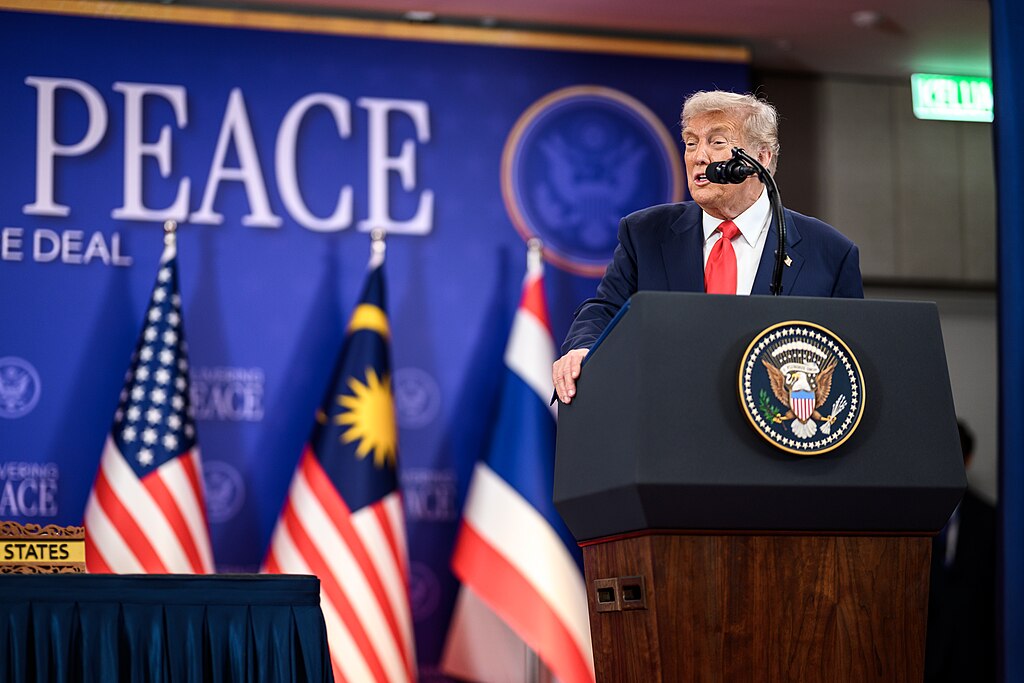
The Trump administration disclosed to congressional committees that it expended $5.6 billion worth of munitions within the first 48 hours of its military strikes against Iran, according to a source with knowledge of the matter. The revelation has intensified scrutiny on Capitol Hill over the financial and strategic costs of a conflict launched on February 28, alongside ally Israel.
Lawmakers on both sides of the aisle have raised alarms that the ongoing military campaign could further strain U.S. defense stockpiles at a time when the domestic arms industry was already struggling to meet production demands. In response, President Trump convened a meeting with executives from seven major defense contractors last Friday as the Pentagon moved to accelerate weapons replenishment efforts.
Despite the scale of the operation, the administration has yet to release a public breakdown of war-related expenditures, drawing sharp criticism from Democratic members of Congress who are demanding greater transparency. Officials have conducted multiple classified briefings for lawmakers and their staff, but many legislators argue that the American public deserves a fuller accounting of military objectives and costs.
Senate Democratic Leader Chuck Schumer of New York took to the Senate floor Tuesday, urging senior administration officials to testify before Congress. Schumer stressed that when U.S. service members are placed in dangerous situations, the public has a fundamental right to understand the rationale behind military decisions — something he argued has not yet been clearly communicated.
Congressional aides anticipate the White House will soon submit a supplemental funding request to Congress to sustain the military campaign. Early estimates suggest the request could reach $50 billion, though some officials believe even that figure may fall short of what will ultimately be needed to cover the full scope of the operation.













