


 Trump Delays Iran Strike as Peace Talks Continue, Markets Watch Strait of Hormuz Closely
  Trump Signals Possible New U.S. Strike on Iran as Nuclear Talks Continue
  US Senate Advances Iran War Powers Resolution in Rare Rebuke to Trump
  U.S.-Iran Nuclear Talks Show Progress as JD Vance Signals Hope for Deal
  UN Backs ICJ Climate Ruling Despite U.S. Opposition
  Russia Downs Drones Near Moscow as Airstrikes Hit Ukraine’s Izmail Port
  Venezuela to Release 300 Prisoners Amid Ongoing Human Rights Debate
  Xi and Putin Summit in Beijing Signals Stronger China-Russia Alliance
  Georgia GOP Senate Primary Heads to Runoff as Collins and Dooley Advance
  Erdogan Welcomes Extended Iran Ceasefire in Call With Trump
  Rubio to Push NATO Defense Spending, Strengthen India Ties During Key Diplomatic Tour
  Trump Warns Iran of Renewed Action as Nuclear Deal Talks Stall
  Kast Reshuffles Cabinet as Chile Pushes Tougher Security Agenda
  Oil Tankers Exit Strait of Hormuz as Trump Signals Possible Iran Deal
  US Expands Criminal Investigation Into Nicolas Maduro With New Florida Probe
  Trump-Taiwan Talks Could Reshape U.S.-China Relations
  Raul Castro Indicted by U.S.: Cuba’s Revolutionary Leader Faces Renewed Scrutiny in 2026


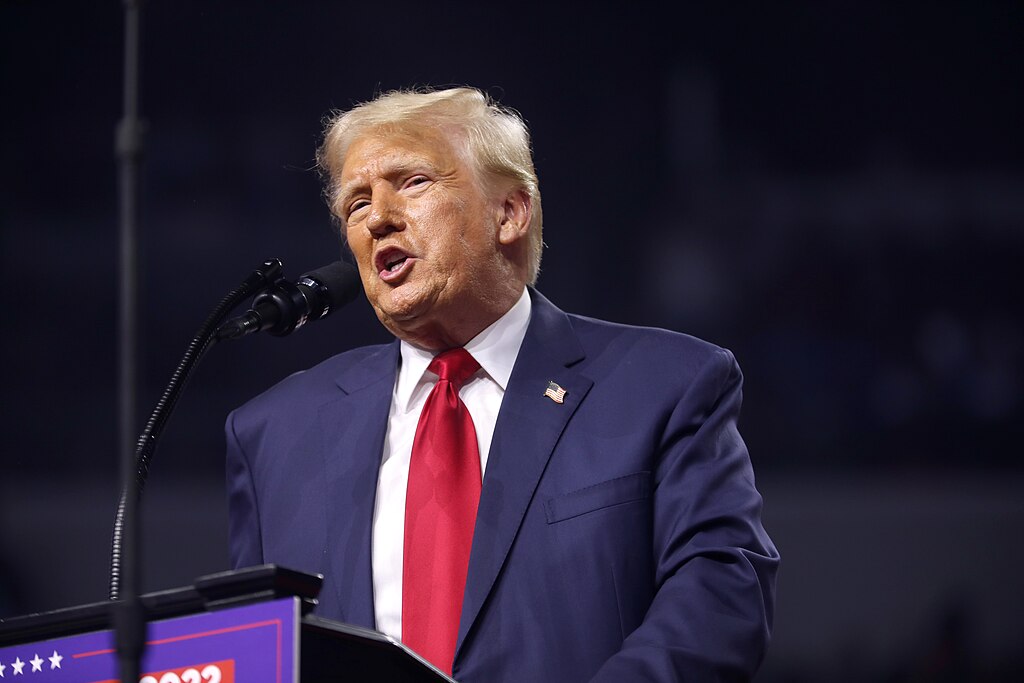
Former President Donald Trump has promised a sweeping economic penalty on Mexico, vowing to implement tariffs of 25% to 75% on all Mexican imports if Mexico does not take immediate steps to curb the flow of immigration into the United States. Trump made the announcement during a recent campaign rally, positioning his proposed tariff policy as a direct measure to pressure Mexico into stricter border enforcement.
Trump’s call for high tariffs marks a return to his hardline immigration stance, which characterized much of his first term. “We’re done asking politely,” Trump said. “If Mexico doesn’t help stop this wave of illegal immigration, they will pay a price.” He argued that his administration would hold Mexico accountable for what he describes as a lack of cooperation on immigration control, with tariffs intended to force Mexico to tighten its own borders and prevent migrants from reaching the U.S.
The proposed tariffs, ranging from 25% to as high as 75%, would apply to all Mexican goods entering the U.S., impacting everything from automobiles and electronics to agricultural products. Economists warn that such drastic tariffs could strain the U.S.-Mexico trade relationship, one of the largest in the world, and could lead to higher prices for American consumers. Critics argue that the impact on American households would be substantial, with tariffs likely to drive up costs for goods that many U.S. industries and consumers rely on.
Trump’s proposed tariffs have stirred considerable controversy. Supporters view the plan as a strong stance on border security and a way to hold Mexico accountable. “This is exactly the kind of tough policy we need,” said Mark Reynolds, a Trump supporter at the rally. “If Mexico won’t help us secure our border, then we’ll hit them where it hurts—in their wallet.”
However, critics argue that the tariffs could backfire, damaging the U.S. economy and straining diplomatic relations with Mexico. Trade experts have cautioned that tariffs at such high levels could lead to retaliation from Mexico, which could impose its own tariffs on American exports. “This kind of trade war would hurt both countries,” said Dr. Maria Perez, a trade policy analyst. “Mexico is a key trading partner, and tariffs would harm U.S. businesses and consumers who depend on affordable imports.”
The threat of tariffs also underscores the tension between economic policy and immigration enforcement, as Trump’s plan would effectively use trade as leverage to address border security issues. Opponents say that Trump’s approach may be an attempt to appease his base, rather than a viable strategy for addressing the complexities of immigration.
Mexican officials have not publicly commented on Trump’s tariff proposal, though experts suggest the Mexican government is likely concerned about the potential economic fallout. With the U.S. presidential election on the horizon, the issue of immigration and U.S.-Mexico relations will undoubtedly remain a key focus for both Trump and his political opponents.
As the campaign trail heats up, Trump’s promise of hefty tariffs on Mexican goods has drawn a sharp line, making it clear that immigration will be at the forefront of his policy agenda. Whether this approach will resonate with voters or raise concerns over potential economic consequences remains to be seen.







