


 Gold Price Ends Lower for Fourth Week Despite Rebound as Fed Rate Hike Bets Strengthen
  Japan Targets 1%+ Real Economic Growth With ¥370 Trillion Investment Plan
  China Sets 1.25% Overnight Reverse Repo Rate Below Market Expectations
  China Factory PMI Seen Returning to Growth in June as AI Export Demand Supports Economy
  China Expands Export Controls, Adds 20 Japanese Companies to Restricted List
  Yen Falls to 40-Year Low as Markets Watch Japan Intervention and U.S. Jobs Report
  Economic pessimism has set in – but there are reasons for Australians to be hopeful
  Central Banks Eye Gold, Reduce Dollar Exposure as AI Adoption Accelerates: OMFIF Survey
  Argentina Economy Shrinks 1.5% in April, Recovery Under Milei Loses Momentum
  Asian Currencies Stay Range-Bound as Investors Eye China Data, RBNZ Outlook and U.S.-Iran Ceasefire
  China Manufacturing PMI Edges Higher in June as Exports and AI Investment Boost Growth
  US Stock Futures Rise as US-Iran Ceasefire Hopes Boost Market Sentiment
  World Bank Approves $1.1 Billion Emergency Funding for Bangladesh Amid Food and Energy Price Pressures
  Trump Questions Housing Bill as He Prioritizes SAVE America Act
  Gold Prices Drop as Fed Rate Outlook and Iran Tensions Weigh on Market
  Asian Stocks End Strong Quarter as Dollar Surges, Yen Hits 40-Year Low Ahead of US Jobs Data
  Global Financial Firms Shift Asia Expansion Focus to South Korea as China, India Face Caution


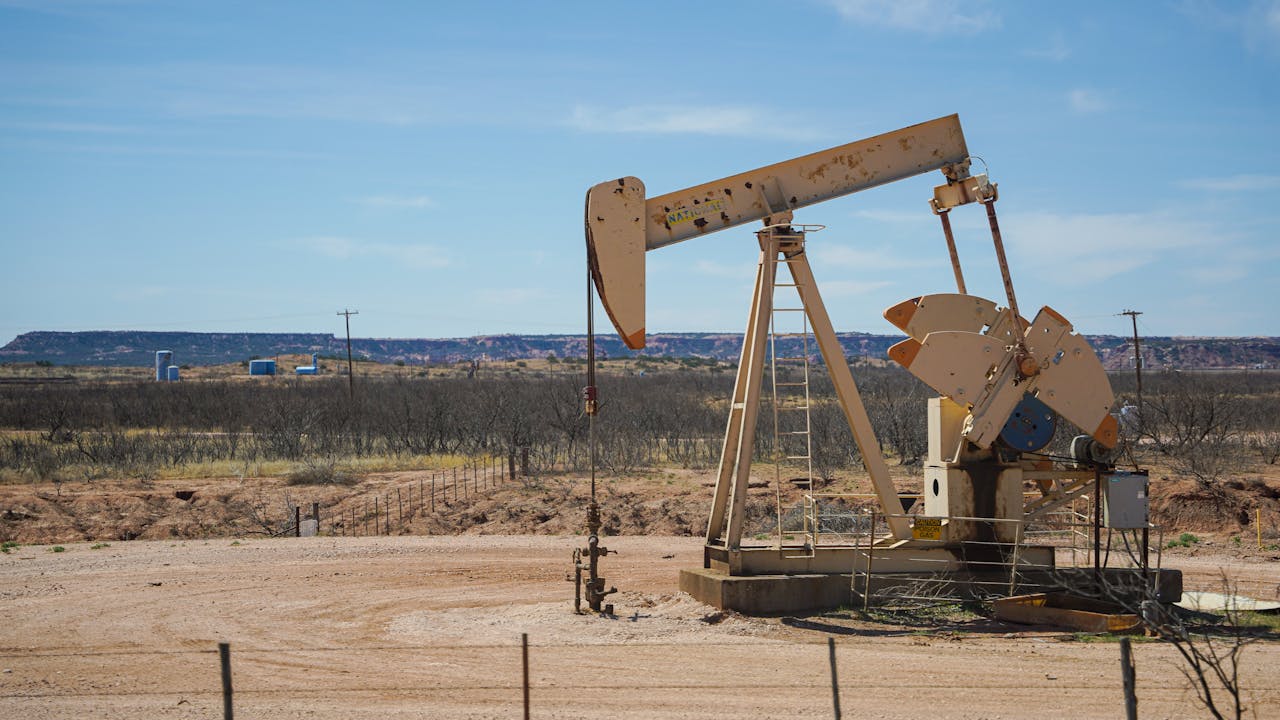
Oil prices moved higher during early Asian trading on Thursday after U.S. President Donald Trump warned that Washington was prepared to launch military action against Iran if Tehran failed to agree to a peace arrangement. The renewed geopolitical tension pushed global energy markets higher as investors closely monitored developments surrounding the Middle East conflict and the Strait of Hormuz.
Brent crude futures for July delivery gained 0.5% to reach $105.53 per barrel, while West Texas Intermediate (WTI) crude futures climbed 0.9% to $94.83 per barrel. The rebound followed two consecutive sessions of losses after Trump previously hinted that negotiations with Iran were making progress.
Despite earlier optimism over diplomatic talks, Trump later stated that the United States remained ready to carry out strikes against Iran, describing the situation as being “right on the borderline.” He added that the administration could delay further military action for “a few days” to allow room for negotiations.
Iran strongly rejected Trump’s warnings and cautioned that any new attacks by the U.S. or Israel could significantly escalate tensions across the region. Tehran also introduced a new “Persian Gulf Strait Authority” aimed at controlling shipping traffic through the Strait of Hormuz. Iranian officials had earlier discussed imposing toll fees on vessels using the strategic waterway.
The Strait of Hormuz remains a major focus for global markets because it handles nearly 20% of worldwide oil shipments. Although reports showed that two Chinese oil tankers successfully passed through the channel on Wednesday, overall traffic remains far below normal levels due to ongoing security concerns.
The disruption in Hormuz has become a major driver behind rising oil prices, as traders fear tighter global supply conditions. Meanwhile, newly released U.S. inventory data showed a sharp weekly decline in crude stockpiles, largely driven by increased American oil exports intended to offset supply disruptions linked to the Middle East crisis.
Analysts expect crude oil volatility to remain elevated as investors watch for updates on U.S.-Iran negotiations, regional military activity, and shipping conditions in the Strait of Hormuz throughout 2026.







