


 UN Warns of Looming Human Rights Catastrophe in Sudan’s Al-Obeid
  Russian Attacks Kill Six Across Ukraine as Kyiv Mourns Deadly Strike
  France Battles Mediterranean Wildfires as Heatwave Fuels Fire Risk
  Australia Sues Amazon Over Prime Video Ads and Subscription Terms
  FIFA Suspends Balogun Ban, Clears U.S. Striker for Belgium World Cup Clash
  Khamenei Funeral Draws Massive Crowds as Iran’s New Supreme Leader Remains Absent
  US Judge Seeks Explanation for DOJ’s Decision to Drop Gautam Adani Bribery Case
  Zelenskiy Urges Trump’s Support to Help End Russia-Ukraine War
  Russia Claims Capture of Kostiantynivka as Putin Pushes Donetsk Offensive
  Trump to Meet Zelenskiy at NATO Summit in Turkey to Push Ukraine Peace Efforts
  Iran Begins Oil Sale Talks With Japan Under U.S. Sanctions Waiver Amid Shipping Risks
  Colombia Opens New Investigation Into Former President Álvaro Uribe Over Paramilitary Allegations
  DOJ Clears Paramount Skydance-Warner Bros. Discovery Merger Without Conditions
  In a rebuke to Trump, the Supreme Court rules that birthright citizenship is the law of the land
  Brazil Supreme Court Convicts Eduardo Bolsonaro Over U.S. Lobbying Efforts


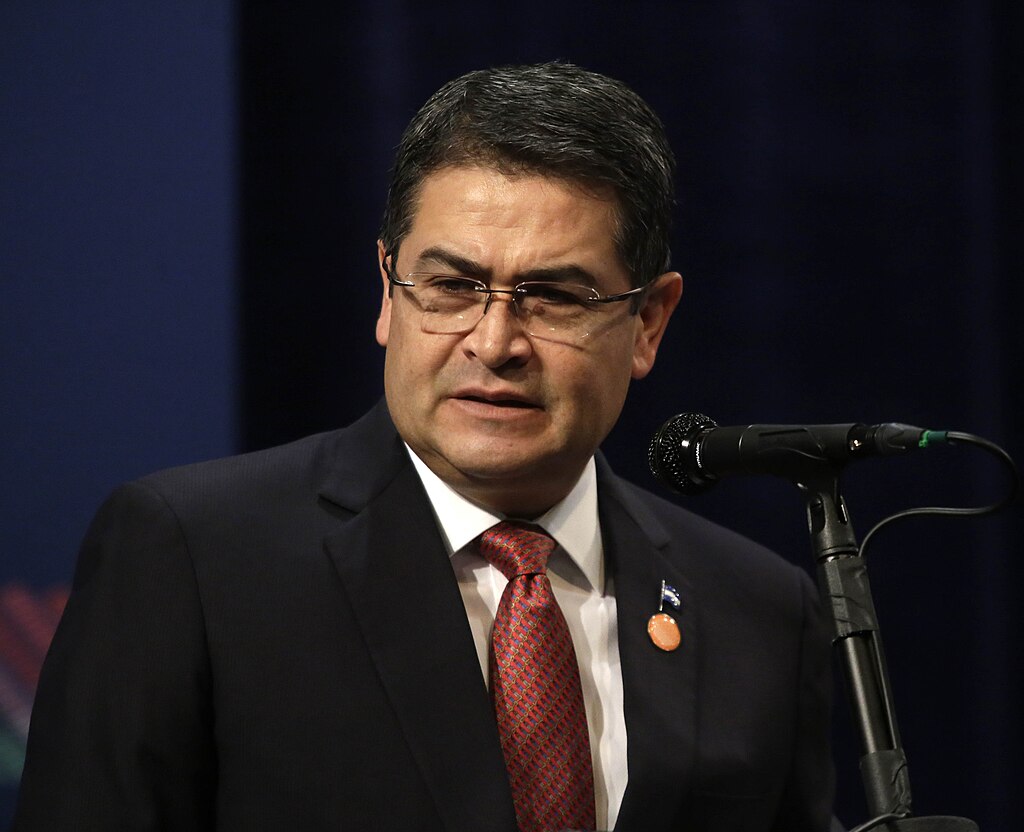
President Donald Trump has ignited political controversy after pardoning former Honduran President Juan Orlando Hernández, who was serving a 45-year U.S. prison sentence for conspiring to traffic tons of cocaine into the United States. The decision, which dramatically intersects U.S. foreign policy, drug enforcement efforts, and regional politics, has drawn sharp criticism from lawmakers, legal experts, and Latin American leaders.
Trump defended the pardon by claiming Hernández was the victim of a politically motivated prosecution during the Biden administration, saying he acted after receiving pleas from Hondurans. Hernández, who led Honduras from 2014 to 2022, had been convicted in March 2024 after U.S. prosecutors accused him of transforming Honduras into a “narco-state,” accepting millions in bribes, and enabling the movement of over 400 tons of cocaine to the United States. Critics argue this pardon undermines U.S. credibility in combating drug trafficking and could embolden corrupt political networks across Latin America.
Democrats condemned the decision as contradictory to Trump’s own tough-on-drugs rhetoric. Senator Dick Durbin emphasized that evidence showed Hernández orchestrated a massive criminal conspiracy benefiting violent cartels. Analysts, including those at the Council on Foreign Relations, warned that the pardon threatens U.S. national interests and damages long-standing anti-narcotics initiatives.
Hernández maintains he was targeted by traffickers and political rivals, claiming his extradition policies made him enemies. His attorney argued the prosecution relied on testimony from violent criminals. Hernández wrote to Trump from prison, aligning himself with Trump’s narrative of politically motivated prosecutions. According to allies like Roger Stone—who advocated for Hernández’s release—the letter influenced Trump’s thinking.
The pardon comes amid a tightly contested Honduran presidential election, heightening regional tensions. Honduran officials and political figures condemned the move, warning it signals a dangerous erosion of international norms. Hernández remains in the U.S., with his lawyer claiming it is unsafe for him to return home due to cartel threats.







