


 Trump Says “Very Good Talks” Underway on Russia-Ukraine War as Peace Efforts Continue
  U.S.-India Trade Framework Signals Major Shift in Tariffs, Energy, and Supply Chains
  Trump Lifts 25% Tariff on Indian Goods in Strategic U.S.–India Trade and Energy Deal
  Pentagon Ends Military Education Programs With Harvard University
  South Korea Assures U.S. on Trade Deal Commitments Amid Tariff Concerns
  Iran–U.S. Nuclear Talks in Oman Face Major Hurdles Amid Rising Regional Tensions
  US Pushes Ukraine-Russia Peace Talks Before Summer Amid Escalating Attacks
  China Warns US Arms Sales to Taiwan Could Disrupt Trump’s Planned Visit
  India–U.S. Interim Trade Pact Cuts Auto Tariffs but Leaves Tesla Out
  Trump Signs “America First Arms Transfer Strategy” to Prioritize U.S. Weapons Sales
  Missouri Judge Dismisses Lawsuit Challenging Starbucks’ Diversity and Inclusion Policies
  Federal Judge Restores Funding for Gateway Rail Tunnel Project
  Trump Backs Nexstar–Tegna Merger Amid Shifting U.S. Media Landscape
  U.S. to Begin Paying UN Dues as Financial Crisis Spurs Push for Reforms
  Trump Allows Commercial Fishing in Protected New England Waters
  Norway Opens Corruption Probe Into Former PM and Nobel Committee Chair Thorbjoern Jagland Over Epstein Links
  Netanyahu to Meet Trump in Washington as Iran Nuclear Talks Intensify


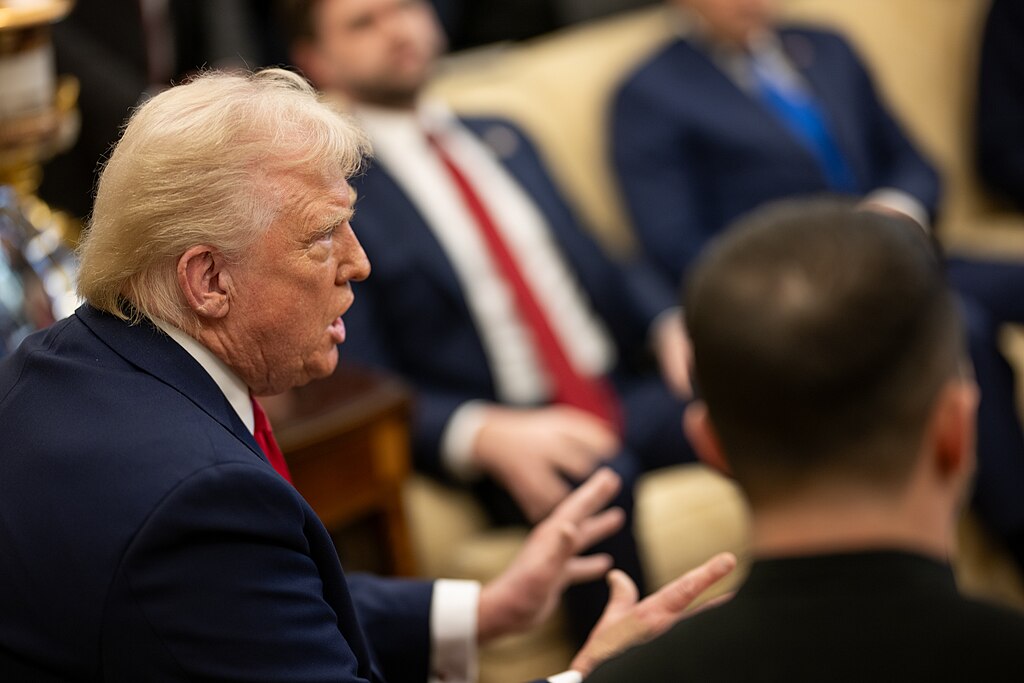
U.S. President Donald Trump has initiated a new effort to label certain Muslim Brotherhood chapters as foreign terrorist organizations, a step that could impose sanctions on one of the Arab world’s most longstanding and influential Islamist movements. The decision, outlined in a recent executive order, directs Secretary of State Marco Rubio and Treasury Secretary Scott Bessent to evaluate and report on whether Brotherhood groups in countries such as Egypt, Lebanon, and Jordan meet the criteria for designation. Once the report is delivered, the secretaries would have 45 days to move forward with any recommended actions.
According to a White House fact sheet, the Trump administration argues that specific Muslim Brotherhood factions have supported or encouraged violent operations against Israel and U.S. partners in the region, or have provided material support to Hamas. The administration describes the move as part of a broader strategy to confront what it calls a “transnational network” that promotes terrorism and destabilization across the Middle East.
Republican leaders and conservative policymakers have long pushed for the U.S. to formally designate the Muslim Brotherhood as a terrorist entity. Trump pursued a similar initiative during his first term, and following the start of his second term, Rubio stated that the administration was again working toward designation. In a parallel move at the state level, Texas Governor Greg Abbott recently imposed the same classification on the organization.
Founded in Egypt in the 1920s, the Muslim Brotherhood emerged as an Islamic political movement responding to the rising influence of secular and nationalist ideologies. Over the decades, it expanded throughout the Muslim world, becoming a major but often clandestine political force. While some factions have engaged in mainstream politics, others have been accused of involvement in extremist activities, prompting ongoing international debate over how to classify the organization.
The renewed U.S. push underscores longstanding tensions surrounding the Brotherhood’s role in regional politics and its complex network of affiliates across the Middle East.













