


 China Export Growth Surges in April as Global Buyers Rush to Secure Supplies
  Australia Launches Public Hearings on Bondi Beach Shooting and Rising Antisemitism
  U.S. Budget Airlines Seek $2.5 Billion Government Aid Amid Rising Jet Fuel Costs
  Trump Says U.S. Navy Destroyers Passed Strait of Hormuz Under Iranian Fire
  Oil Prices Rise Amid Strait of Hormuz Tensions and U.S.-Iran Ceasefire Uncertainty
  Dollar Slips as Strong U.S. Jobs Data Reduces Fed Rate Cut Expectations
  Panama Defends Port Takeover Amid U.S.-China Tensions and Canal Dispute
  Iran Accuses U.S. of Violating Strait of Hormuz Ceasefire with Ship and Coastal Attacks
  Japan Tech Stocks Surge as AI Optimism Lifts SoftBank, Chipmakers
  Trump Reportedly Approves Plan to Remove FDA Commissioner Marty Makary Amid Growing Controversies
  Trump Invites Top CEOs Including Nvidia, Apple, Boeing to China Summit With Xi Jinping
  Rubio Approves $25.8 Billion Weapons Sale to Middle East Allies
  Brazil Pension Fund Crackdown After Banco Master Collapse Raises Investment Concerns
  Trump-Xi Beijing Summit to Focus on Trade, Taiwan, and Boeing Deal
  U.S. Sanctions Former DR Congo President Joseph Kabila Over Rebel Support
  TikTok Nears $400 Million Settlement With Trump Administration Over Child Privacy Lawsuit
  Russian LNG Shadow Fleet Expands Amid Arctic LNG 2 Sanctions


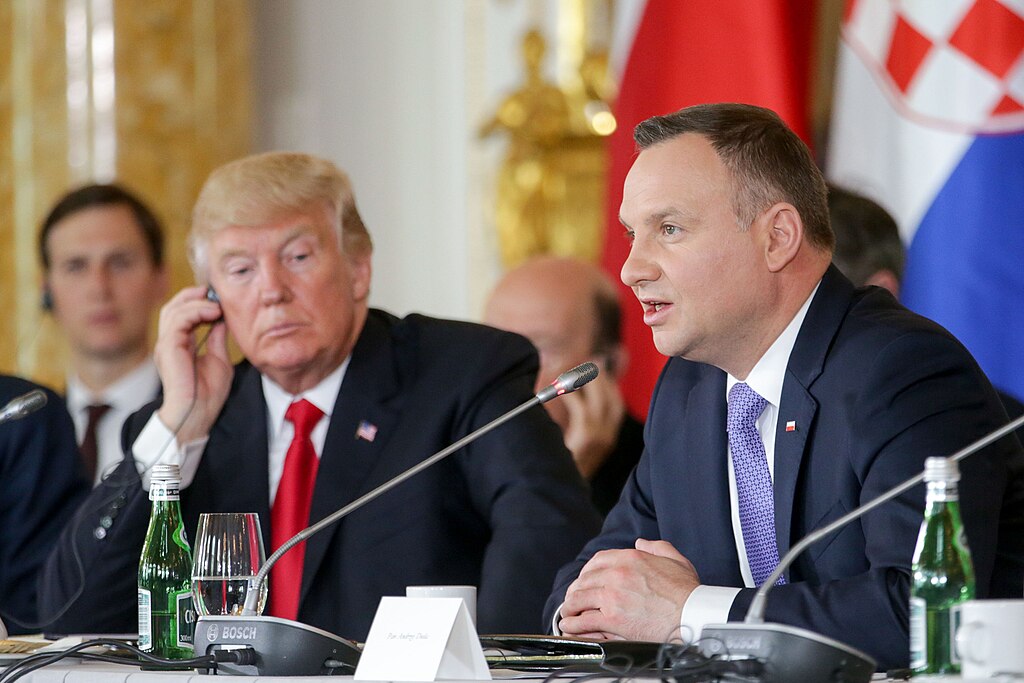
U.S. President Donald Trump announced a 25% tariff on auto and auto parts imports, effective April 3, citing continued threats to the country’s industrial base and national security. The decision revives a 2019 Commerce Department report under Section 232 of the Trade Expansion Act, which found foreign automotive imports weaken domestic manufacturing and defense capabilities.
Trump argued that the COVID-19 pandemic worsened the imbalance, and trade agreements with South Korea, Canada, and Mexico failed to shift the status quo. “Only half of vehicles sold in the U.S. are domestically manufactured,” his proclamation noted, raising concerns about jobs and technological investment. The U.S. imported $474 billion in auto products in 2024, with top suppliers including Mexico, Japan, South Korea, Canada, and Germany.
The move drew mixed reactions. Labor unions, like the United Auto Workers, welcomed the policy as a long-overdue shift favoring American workers. However, industry experts warned the tariffs could raise car prices by thousands and cause job losses due to heavy reliance on imported parts.
Trump has long criticized the European Union’s 10% vehicle import duty, contrasting it with the U.S. 2.5% rate on passenger cars. The U.S. already imposes a 25% tariff on imported pickup trucks from countries outside NAFTA.
The White House said a 2023 study showed tariffs from Trump’s first term reduced Chinese imports and increased domestic output with minimal price impact. By reinstating the Section 232 findings, Trump’s team positioned the new tariffs for swift enforcement, leveraging past legal precedent.
Critics remain skeptical about whether higher tariffs will lead to increased U.S. auto exports, noting the North American market's profitability as a major barrier to reshaping global trade dynamics.







