


 Senate Stablecoin Bill Sparks Clash Between Banks and Crypto Industry
  Trump Administration Dismisses Entire National Science Board, Sparking Debate Over Scientific Independence
  Trump Invites Top CEOs Including Nvidia, Apple, Boeing to China Summit With Xi Jinping
  Malaysia Unveils Energy Security Plan Amid Iran Conflict and Rising Oil Costs
  U.S. Flags Vietnam as “Priority Foreign Country” Over Intellectual Property Concerns
  Qatar Condemns Drone Strike as Iran Conflict Threatens Gulf Shipping and Global Markets
  Israeli Strikes in Gaza Kill Three as Ceasefire Tensions Continue
  Brazil Pension Fund Crackdown After Banco Master Collapse Raises Investment Concerns
  Dominican Republic Halts GoldQuest Mining Project Amid Environmental Protests
  Federal and State Authorities Conduct Widespread Fraud Raids Across Minnesota
  FEMA Reinstates Employees After Dissent Letter, Signaling Shift in Workforce Stability
  Mexico President Claudia Sheinbaum Reconsiders Early School Closure Plan Ahead of 2026 World Cup
  US Sanctions Target Iran’s Shadow Banking Network and Terror Financing
  Rubio Presses Italy Over Iran Support as Tensions Test U.S.-Italy Alliance
  U.S., South Korea Launch Shipbuilding Partnership Initiative
  China-Made Fireworks Power U.S. Independence Day Celebrations Amid Trade Truce
  TikTok Nears $400 Million Settlement With Trump Administration Over Child Privacy Lawsuit


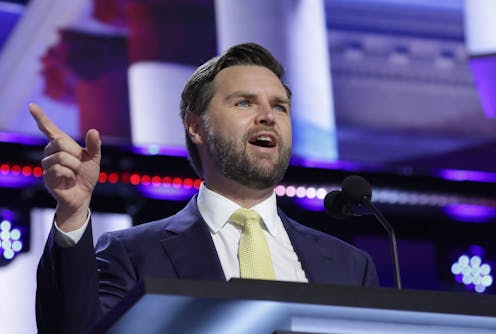
U.S. President Donald Trump’s administration has frozen $26 billion in funding for Democratic-leaning states during the ongoing government shutdown, escalating partisan tensions in Washington. The freeze impacts $18 billion allocated for transit projects in New York—home to top Democrats Chuck Schumer and Hakeem Jeffries—and $8 billion in green energy initiatives across 16 Democratic-led states, including California and Illinois.
Vice President JD Vance warned that the administration may extend layoffs if the shutdown continues beyond a few days, adding to 300,000 job cuts already planned by December. Around 750,000 federal workers have been furloughed, while essential employees such as military personnel and Border Patrol agents are working without pay. Agencies including the Department of Veterans Affairs and the U.S. Patent and Trademark Office have already scaled back operations, with the latter announcing layoffs of 1% of its workforce.
Democrats have sharply criticized Trump’s actions. Schumer accused the president of using Americans as “pawns” and engaging in “blackmail,” while Jeffries warned of job losses tied to halted infrastructure projects. Republicans remain divided: Senator Thom Tillis voiced concerns about worsening negotiations, but Senate Leader John Thune dismissed the freeze, urging Democrats to reopen the government.
Both parties continue to clash over funding bills. Republicans, who control the Senate 53-47, failed to secure enough Democratic support to pass a stopgap measure. Democrats, meanwhile, are pushing for healthcare protections and safeguards to prevent Trump from bypassing spending laws. The shutdown, the 15th since 1981, has suspended critical activities from scientific research to environmental cleanups.
The standoff highlights deep partisan divides ahead of the 2026 midterm elections, with each side blaming the other for the crisis. Democrats accuse Republicans of deliberately prolonging the shutdown, while Republicans insist Democrats are obstructing government funding. The shutdown also raises concerns over the $37.5 trillion U.S. debt and the broader stability of federal operations.







