


 Russian LNG Shadow Fleet Expands Amid Arctic LNG 2 Sanctions
  China Banks Halt New Loans to Sanctioned Refineries Amid U.S.-Iran Oil Crackdown
  Lula and Trump Talks Signal New Phase in Brazil-US Relations
  US Sanctions Target Iran’s Shadow Banking Network and Terror Financing
  Panama Defends Port Takeover Amid U.S.-China Tensions and Canal Dispute
  U.S. Fast-Tracks $8.6 Billion Arms Sales to Middle East Allies Amid Rising Tensions
  Qatar LNG Tanker Crosses Strait of Hormuz Amid Iran War Tensions
  Google Secures Pentagon AI Deal for Classified Projects
  Mexico President Claudia Sheinbaum Reconsiders Early School Closure Plan Ahead of 2026 World Cup
  Trump Reportedly Approves Plan to Remove FDA Commissioner Marty Makary Amid Growing Controversies
  TikTok Nears $400 Million Settlement With Trump Administration Over Child Privacy Lawsuit
  U.S. Budget Airlines Seek $2.5 Billion Government Aid Amid Rising Jet Fuel Costs
  Rubio Approves $25.8 Billion Weapons Sale to Middle East Allies
  Senate Stablecoin Bill Sparks Clash Between Banks and Crypto Industry
  Ukraine-Russia Ceasefire Confirmed as Prisoner Swap Deal Advances
  U.S. Flags Vietnam as “Priority Foreign Country” Over Intellectual Property Concerns
  Russia Accuses Ukraine of Ceasefire Violations Amid Drone and Artillery Attacks


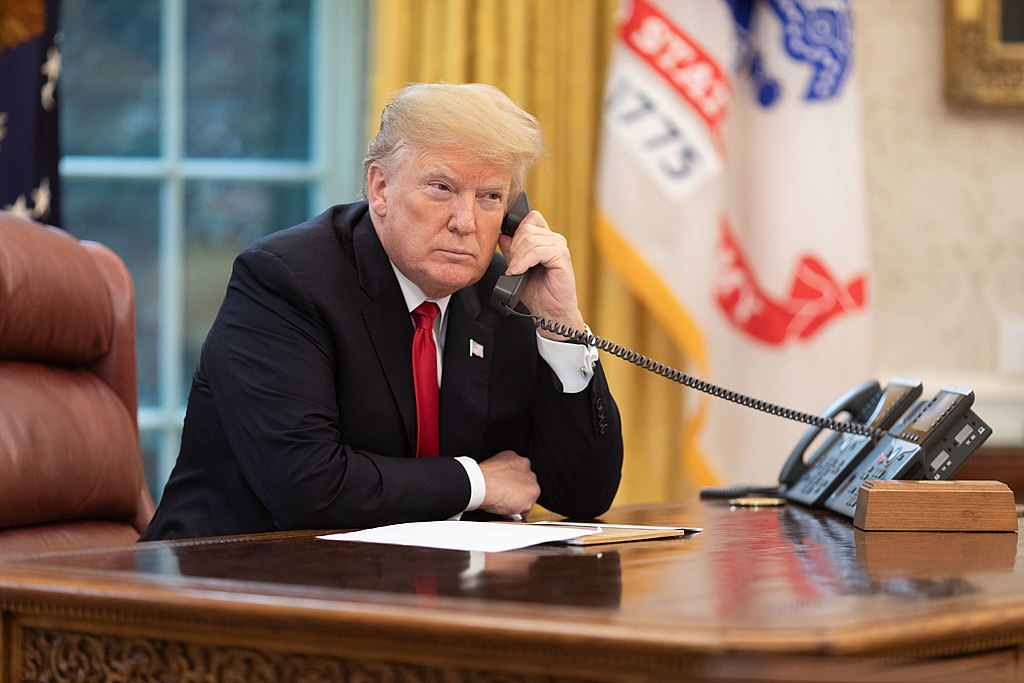
U.S. President Donald Trump announced on Thursday that he had signed a formal proclamation authorizing prosecutors in Washington, D.C., to seek the death penalty in certain criminal cases. The decision marks a significant step in Trump’s longstanding support for capital punishment, aligning with his administration’s broader stance on law and order policies.
According to Trump, the proclamation ensures that federal prosecutors in the nation’s capital will have expanded authority to pursue the death penalty when prosecuting the most severe crimes. Washington, D.C., does not currently have a local death penalty statute, but this move allows federal charges to be pursued with capital punishment as a potential sentence.
The announcement comes as part of the Trump administration’s emphasis on stricter penalties for violent crimes. Trump has repeatedly voiced his support for capital punishment, particularly in cases involving acts of terrorism, drug trafficking, and crimes against children. His decision reflects his belief that the death penalty serves as both a deterrent and a form of justice for victims and their families.
Critics argue that reinstating or expanding the death penalty raises serious concerns regarding human rights, racial disparities in sentencing, and the possibility of wrongful convictions. Opponents also point to the growing movement across the United States to reduce or abolish capital punishment, with several states having already banned it.
Despite the controversy, Trump’s proclamation highlights his administration’s tough-on-crime approach. The measure is expected to spark renewed debate in Washington and beyond, particularly at a time when the future of the death penalty in America continues to divide public opinion.
By authorizing prosecutors in the District of Columbia to pursue capital punishment in specific cases, Trump has further solidified his stance on strengthening criminal justice measures. This decision is likely to remain a key talking point in ongoing discussions about federal law enforcement, crime prevention, and the role of capital punishment in the U.S. justice system.







