


 US Intercepts Iranian Ballistic Missiles as Middle East Tensions Escalate
  FAA Proposes Inspections for Boeing 737 MAX Passenger Seats Over Installation Concern
  TSMC Gradually Restarts Japan Chip Plant After Kumamoto Earthquake
  South Korea’s Coupang Fine Sparks U.S. Criticism, Raising Concerns Over Bilateral Ties
  Russian Officials Say Ukrainian Drone Attacks Kill 3 in Belgorod, Injure 19 on Bus
  US Watchdog Finds State Department Struggled After USAID Shutdown Takeover
  Samsung Eyes Up to $1.14 Billion Investment in AI Startup Mistral
  Elon Musk Fuels SpaceX-Tesla Merger Speculation After Earnings Call
  West Bank Tensions Escalate as Palestinian Village Faces Settler Violence and Military Raids
  Nvidia Eyes $250B Guarantee for OpenAI’s Massive Ohio AI Data Center Project
  CXMT IPO Debut in Shanghai Puts $85.5 Billion Chipmaker in Spotlight
  Kyiv Hit by Russian Missile Attack as Fires Erupt Across Multiple Districts
  Trump Election Order Blocked Again as Appeals Court Rejects Mail-In Voting Push in 23 States
  US Investigates Moonshot Over Alleged Use of Advanced AI Chips and IP Theft
  El Salvador Opposition Names Candidates to Challenge President Nayib Bukele in 2027 Election


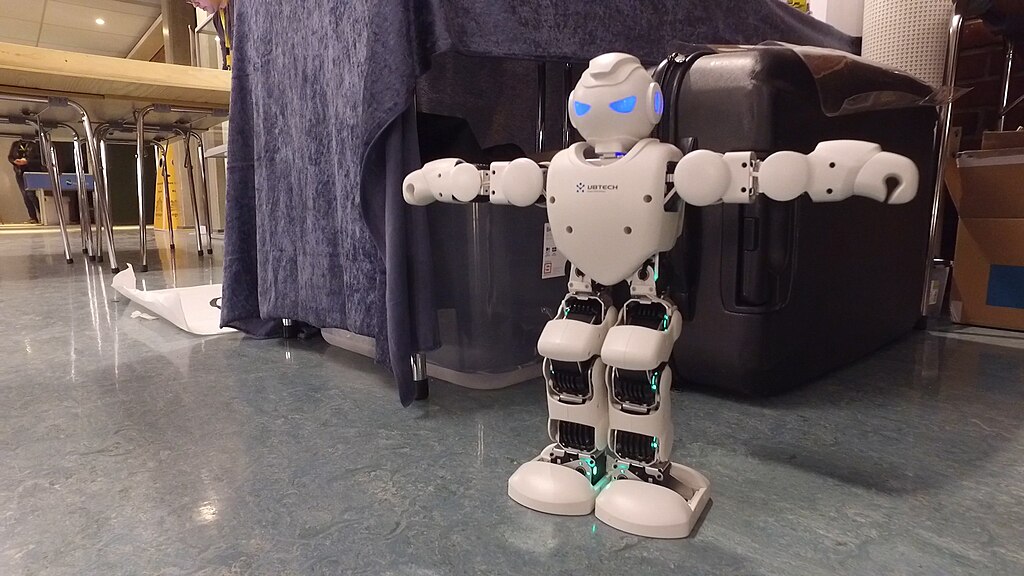
The Trump administration is set to introduce new restrictions on Chinese technology imports, targeting advanced robots and power inverters as part of a broader effort to strengthen U.S. national security and protect the country's artificial intelligence supply chain.
According to U.S. officials, the Federal Communications Commission (FCC) is expected to announce measures that prohibit the import of new Chinese-made humanoid and quadruped robots, along with connected power inverters. These inverters play a critical role in linking renewable energy systems, battery storage, and data center equipment to the power grid, making them increasingly important as AI infrastructure expands across the United States.
The move reflects the Trump administration's strategy to reduce dependence on Chinese technology in sectors considered vital to economic and national security. Officials argue that relying on Chinese-made equipment could expose U.S. infrastructure to cybersecurity risks, supply chain disruptions, and potential data theft, particularly as investments in AI, renewable energy, and advanced manufacturing accelerate.
Administration officials said the restrictions are designed to encourage domestic manufacturing while protecting critical technologies from foreign threats. The policy also aligns with broader efforts to reshore strategic industries and build secure supply chains for emerging technologies expected to drive future economic growth.
"The President has made clear that the United States must have independent and secure supply chains for critical and emerging technologies like robotic devices and power inverters," a Trump administration official said. The official added that the administration views economic security as a key component of national security and will continue implementing policies aimed at reindustrializing the United States.
The new import restrictions are part of a wider push by Washington to tighten oversight of Chinese technology in sensitive industries, particularly those connected to AI development, energy infrastructure, and advanced automation. As demand for AI-related equipment continues to surge, the administration is seeking to ensure that essential components are sourced from trusted suppliers while reducing potential security vulnerabilities.
The Chinese Embassy in Washington did not immediately respond to requests for comment on the planned measures.







