


 China Boosts Gold Reserves by 650,000 Ounces as Prices Rally
  Gulf Ministers to Meet Iran in Oman Over Hormuz Shipping Deal
  Oil Prices Hold Near Highs as U.S.-Iran Conflict Escalates
  Oil Prices Surge as Middle East Shipping Attacks Threaten Supply
  Japanese Yen Nears Seven-Month High as Oil Approaches $100
  Treasury Buyback Fails to Cool Long-Term Yields
  Central Banks Could Buy 20,000 Tonnes of Gold: BofA
  Bank of Korea Raises Rates to 3% as Inflation Stays Sticky
  ECB Rate Hike in Focus as Oil Tops $100
  EUR/USD Eyes 1.17 as Fed Decision Could Weigh on Dollar
  Fitch Eyes Japan Budget for Fiscal Discipline
  Australia GDP Beats Forecast, Boosting RBA Rate Hike Bets
  Fed Minutes Signal Rate Hikes Remain Possible as Inflation Risks Persist
  Brent Oil Tops $100 as Middle East Conflict Threatens Supply


 Add as a preferred source on Google
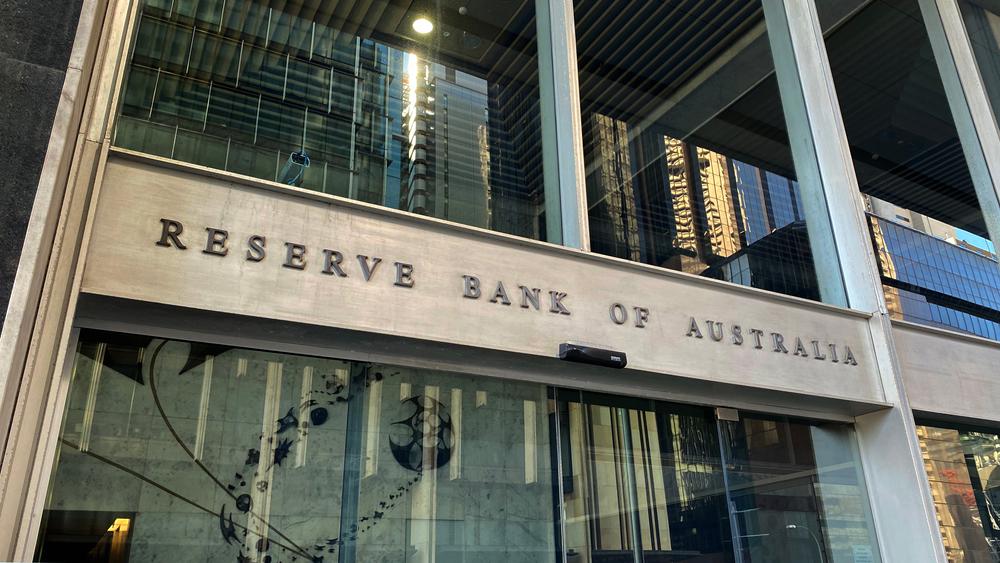
Reserve Bank of Australia (RBA) Governor Michele Bullock warned on Tuesday that underlying inflation remains too high and said the central bank is prepared to raise interest rates again if necessary to bring price growth back within its 2%–3% target range.
Speaking in Sydney, Bullock said policymakers are still assessing whether the three rate hikes implemented between February and May are sufficient to curb inflation. Although the full effects of tighter monetary policy have yet to flow through the economy, she stressed that inflationary pressures remain persistent and could intensify as higher global oil prices linked to the Iran conflict ripple through businesses and consumers.
Bullock said Australia may require a further slowdown in domestic demand to ensure inflation returns sustainably to target. She also noted that the labor market needs to cool further to ease price pressures.
"The Board is prepared to act as required to achieve its mandate, including by increasing the cash rate further if needed," she said.
The RBA’s hawkish stance has reinforced market expectations for another interest rate increase later this year, which would lift the cash rate to 4.6%. Financial markets continue to fully price in one additional hike in 2026, while assigning roughly a 30% probability of a move at the August policy meeting.
Bullock also highlighted the risks posed by supply-side shocks, pointing to rising oil prices following the conflict involving Iran. She cautioned against underestimating the broader economic effects, noting that while headline inflation has not risen as sharply as initially feared, businesses are increasingly indicating they plan to pass higher operating costs on to consumers.
She emphasized that the RBA’s priority is to keep inflation expectations firmly anchored and prevent temporary price shocks from becoming embedded in the economy.
While Australia’s economy is slowing broadly in line with the central bank’s expectations, Bullock said the housing market has weakened more than anticipated. The RBA is closely monitoring how falling home prices could influence household spending, consumer confidence, and investment decisions as it weighs the outlook for future monetary policy.







