


 US Futures Fall as Fed Meeting, Oil Surge Rattle Markets
  UK Wage Growth Slows as BoE Rate Decision Looms
  East Germany Narrows Economic Gap With West but Wealth Divide Persists
  Asian Currencies Mixed as Dollar Hits Seven-Week High After Fed Hike
  Oil Prices Fall as Saudi Supply Improves, Middle East Fears Ease
  US Stock Futures Rise as Markets Brace for Fed Rate Hike
  Asian Currencies Subdued as Yen Slides Ahead of Fed, BOJ Decisions
  China Industrial Output Beats Forecasts as Exports Support Growth
  Asian Stocks Steady as AI Shares Rebound Ahead of Fed Decision
  Trump Threatens EU Tariffs Over Canada Membership Proposal
  Saudi Arabia Raises Security Alerts as Houthi Attacks Threaten Oil Routes
  Gold Prices Slip as Fed Rate Hike Looms, Treasury Yields Rise
  Gold Rebounds Above $4,300 Despite Hawkish Fed Rate Hike
  Iran Economic Crisis Forces Afghan Families to Return Home
  Asian Stocks Rise as Investors Brace for Fed Rate Decision
  Houthis Escalate Saudi Attacks as Red Sea Oil Risks Grow


 Add as a preferred source on Google
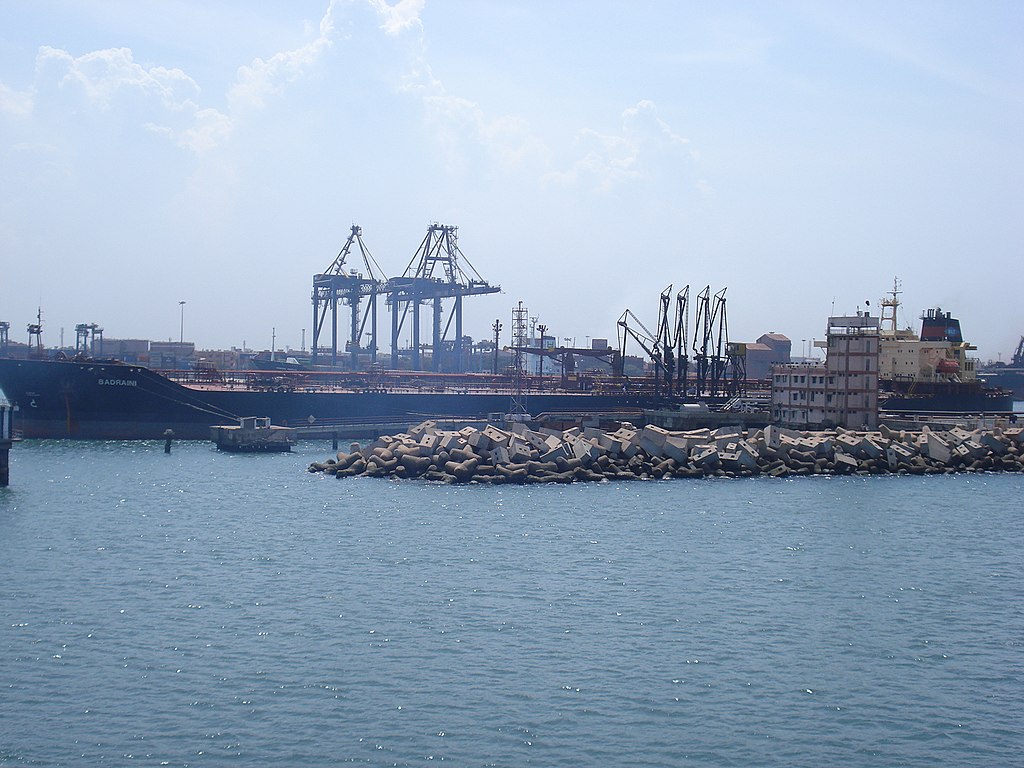
India’s economic growth is expected to slow significantly in the current fiscal year as weak private investment and rising oil prices linked to the Iran conflict weigh on domestic demand, according to a Reuters poll of economists.
The survey, conducted from July 21 to July 27 among 42 economists, projects India’s gross domestic product (GDP) will expand 6.6% in the fiscal year ending March 2027, down from 7.7% growth in FY2025/26. Growth is expected to recover only slightly to 6.8% in FY2027/28.
Economists said Asia’s third-largest economy remains heavily dependent on government spending, while concerns persist that official GDP data may overstate the strength of underlying economic activity. Similar challenges are affecting several Asian economies, including China, Thailand, Indonesia, and the Philippines, where weak domestic demand and elevated energy prices continue to pressure growth.
Kunal Kundu, India economist at Societe Generale, said headline GDP figures likely exaggerate the economy’s actual momentum. Although investment and inventory accumulation have supported recent growth, he noted that statistical distortions may be making overall economic performance appear stronger than it really is.
Official figures showed private investment rose 10.8% in the January-March quarter, marking its fastest pace under the revised GDP methodology. However, economists remain skeptical that businesses will sustain capital spending despite healthy corporate balance sheets.
Morgan Stanley chief India economist Upasana Chachra said companies are delaying major investment decisions due to uncertainty over consumer demand and the global economic outlook. Slower trade growth and weaker domestic consumption could further reduce incentives for capacity expansion, particularly for export-oriented industries.
Meanwhile, higher global crude oil prices following the U.S.-Israeli conflict with Iran have increased inflation risks for India, which imports roughly 90% of its crude oil. Rising fuel and transportation costs have complicated the Reserve Bank of India’s policy outlook.
Most economists expect the RBI to keep interest rates unchanged at its August meeting while monitoring inflation risks. Analysts at BofA believe the central bank will maintain a cautious stance, emphasizing price stability while awaiting clearer signs on economic growth.







