


 TrumpRx Website Launches to Offer Discounted Prescription Drugs for Cash-Paying Americans
  Trump Backs Nexstar–Tegna Merger Amid Shifting U.S. Media Landscape
  New York Legalizes Medical Aid in Dying for Terminally Ill Patients
  Missouri Judge Dismisses Lawsuit Challenging Starbucks’ Diversity and Inclusion Policies
  South Korea Assures U.S. on Trade Deal Commitments Amid Tariff Concerns
  Trump Signs Executive Order Threatening 25% Tariffs on Countries Trading With Iran
  Japan Election 2026: Sanae Takaichi Poised for Landslide Win Despite Record Snowfall
  China Warns US Arms Sales to Taiwan Could Disrupt Trump’s Planned Visit
  India–U.S. Interim Trade Pact Cuts Auto Tariffs but Leaves Tesla Out
  Trump’s Inflation Claims Clash With Voters’ Cost-of-Living Reality
  Norway Opens Corruption Probe Into Former PM and Nobel Committee Chair Thorbjoern Jagland Over Epstein Links
  Nighttime Shelling Causes Serious Damage in Russia’s Belgorod Region Near Ukraine Border
  Trump Lifts 25% Tariff on Indian Goods in Strategic U.S.–India Trade and Energy Deal
  U.S. Lawmakers to Review Unredacted Jeffrey Epstein DOJ Files Starting Monday
  Trump Allows Commercial Fishing in Protected New England Waters
  Federal Judge Restores Funding for Gateway Rail Tunnel Project
  U.S. Announces Additional $6 Million in Humanitarian Aid to Cuba Amid Oil Sanctions and Fuel Shortages


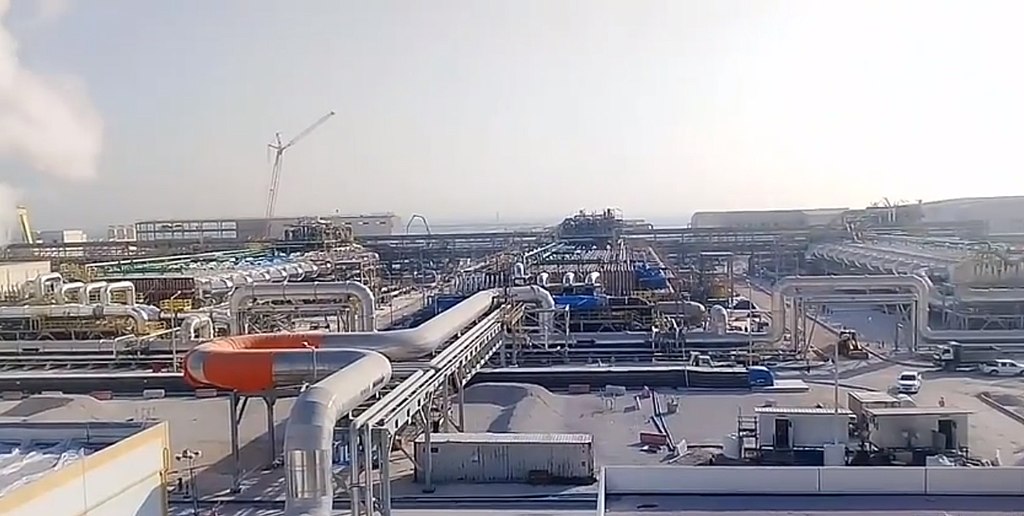
The Trump administration is reportedly considering a significant escalation in its Cuba policy, including the possibility of a complete blockade on oil imports to the island, according to a recent Politico report. The move would mark one of the most aggressive strategies yet aimed at pressuring the Cuban government and accelerating regime change, signaling a sharp turn toward intensified economic and diplomatic confrontation.
Sources familiar with internal discussions say the proposal has gained traction among senior officials critical of Cuba’s communist leadership, including Secretary of State Marco Rubio. While no final decision has been reached, the idea of a total oil blockade is said to be one of several options being reviewed by President Donald Trump as part of a broader effort to weaken the Cuban government’s economic base.
The potential policy shift would go well beyond Trump’s earlier announcement to stop Venezuelan oil shipments to Cuba. Venezuela has long been Cuba’s primary supplier of crude oil, and restricting those shipments already posed a serious challenge to the island’s energy security. A comprehensive oil blockade would significantly expand that pressure by targeting all external oil supplies, potentially affecting electricity generation, transportation, and key industries across Cuba.
Last week, President Trump publicly stated that the United States would halt Cuba’s imports of oil from Venezuela, framing the decision as part of a broader campaign against authoritarian governments in the region. The newly discussed measures suggest the administration is considering even tougher sanctions to achieve its foreign policy goals in the Caribbean.
The increasingly confrontational stance toward Cuba comes amid heightened U.S. involvement in Latin America. It follows closely on the heels of a U.S. military operation in Venezuela that led to the capture of President Nicolás Maduro, an event that has reshaped regional dynamics and emboldened officials who favor a hardline approach to socialist governments.
If implemented, a full oil blockade on Cuba would represent a major escalation with far-reaching economic and geopolitical consequences. Analysts note that such a move could deepen hardships for the Cuban population while also raising tensions with international partners. As discussions continue within the administration, global attention remains focused on how far Washington is willing to go in its efforts to bring political change to Cuba.













