


 Trump Questions Housing Bill as He Prioritizes SAVE America Act
  South Korea Ex-President Yoon Suk Yeol Sentenced to 30 Years Over Martial Law Plot
  Florida Supreme Court Allows GOP Congressional Map to Stand Ahead of 2026 Midterm Elections
  California Drivers Sue BP, Walmart, 7-Eleven Over Alleged AI Gas Price Fixing
  DOJ Sues Virginia Over Law Enforcement Mask Ban
  Serbia Protests Continue as Thousands Rally Despite Vucic’s Resignation Plan
  Iran Launches Drone Attack on Bahrain After U.S. Strikes, Strait of Hormuz Tensions Escalate
  Trump Suspends Some Morocco Fertilizer Tariffs to Ease U.S. Supply Shortage
  HSBC Australia Faces A$35M Penalty Over Scam Protection Failures
  US Judge Seeks Explanation for DOJ’s Decision to Drop Gautam Adani Bribery Case
  Trump Administration Urges Judge to Allow UFC Event on White House Lawn
  ICC Prosecutor Karim Khan Suspended as Member States Consider Removal
  Javier Milei Cabinet Chief Manuel Adorni Resigns Amid Spending Scandal Investigation
  Trump Orders DOJ Investigation Into Exxon, Chevron Over High Gas Prices


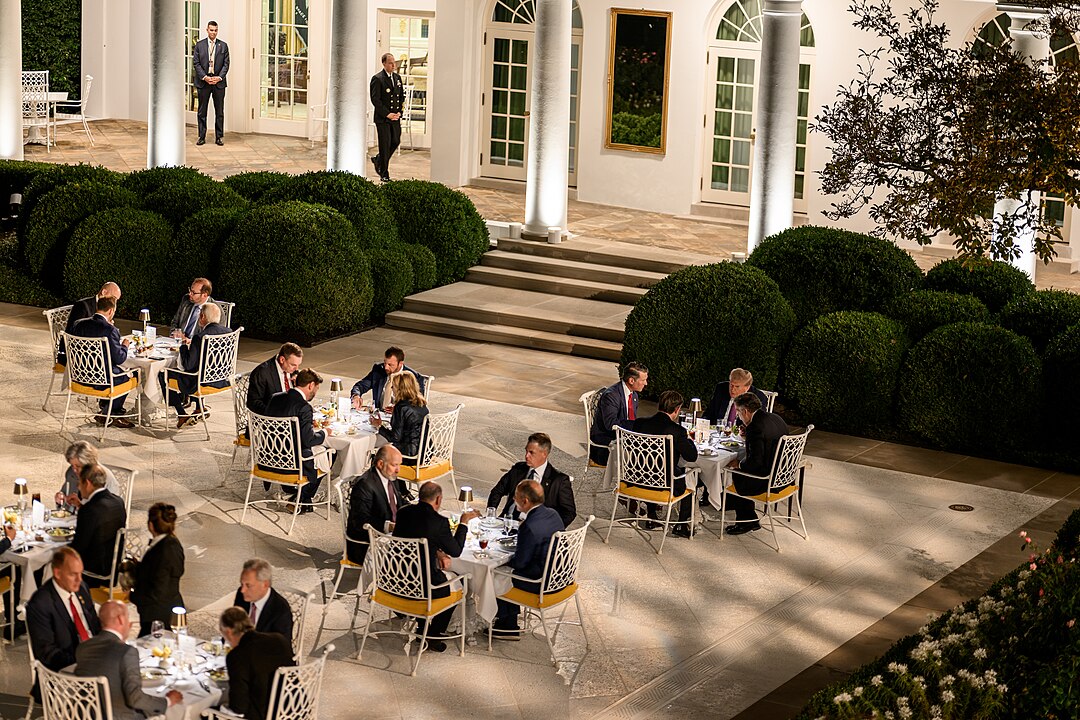
The Trump administration has filed an emergency motion with the U.S. Court of Appeals for the District of Columbia, urging judges to lift a court-ordered halt on the construction of a new White House ballroom. Officials argue that the pause creates serious national security vulnerabilities, leaving the White House "open and exposed" to potential threats against the president, his family, and White House staff.
The legal battle stems from a ruling by U.S. District Judge Richard Leon, who this week ordered construction to stop pending the outcome of a lawsuit filed by the National Trust for Historic Preservation. The organization argues that the $400 million renovation project requires explicit congressional approval before moving forward. Judge Leon granted a 14-day window for the administration to challenge his decision, which it acted on swiftly by filing the emergency appeal.
The administration has strongly dismissed the preservation group's legal challenge as "legally baseless," maintaining that the president holds full constitutional authority to oversee renovations to the White House. Officials also raised questions about whether the plaintiffs have the legal standing necessary to bring such a case to court in the first place.
The controversial project came after the demolition of the historic East Wing, a structure originally constructed in 1902 and later expanded under President Franklin D. Roosevelt during World War II. The ballroom is part of a broader effort by the Trump administration to redesign and modernize several prominent landmarks across Washington, D.C.
As the legal dispute works its way through the courts, debate continues over the balance between presidential authority, congressional oversight, and the preservation of historically significant government buildings. The outcome of this case could set a significant precedent for future White House renovation projects and the limits of executive power in managing federal properties.







