


 Taiwan Coast Guard Officer Finds Strength in Faith as China Increases Pressure in Taiwan Strait
  Australia Plans Higher Fines for Social Media Firms Failing to Block Underage Users
  Argentina Economy Shrinks 1.5% in April, Recovery Under Milei Loses Momentum
  Serbia President Aleksandar Vucic to Resign, Calls Early Elections After Months of Protests
  Trump Announces September Overhaul of Washington’s East Potomac Golf Links
  Canada Grants C$7 Million to Greenland Molybdenum Mine to Strengthen Critical Minerals Supply
  Dollar Slips Ahead of Key U.S. Jobs Data as Fed Rate Outlook, ECB, and Iran Talks Shape Forex Markets
  China Sets 1.25% Overnight Reverse Repo Rate Below Market Expectations
  China Manufacturing PMI Edges Higher in June as Exports and AI Investment Boost Growth
  Supreme Court Backs Lisa Cook, Defends Federal Reserve Independence Against Trump Firing Attempt
  Trump Questions Housing Bill as He Prioritizes SAVE America Act
  Andy Burnham Sets Out Vision to Decentralize Britain as Labour Leadership Race Begins
  US Dollar Slips After PCE Inflation Data as Fed Rate Hike Expectations Stay Elevated
  Asian Currencies Stay Range-Bound as Investors Eye China Data, RBNZ Outlook and U.S.-Iran Ceasefire
  Ukraine Strikes Russian Titan-Barrikady Plant With Long-Range FP-5 Flamingo Missile
  US Strikes Iran Again After Strait of Hormuz Tanker Attack Escalates Ceasefire Tensions
  World Bank Approves $1.1 Billion Emergency Funding for Bangladesh Amid Food and Energy Price Pressures


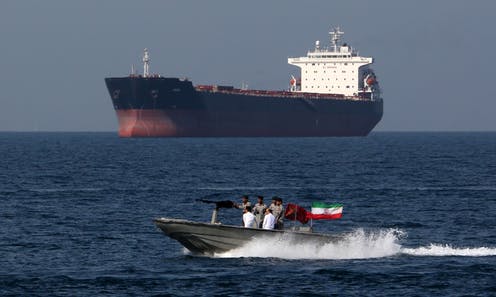
U.S. intelligence assessments now confirm that Iran has no intention of loosening its grip on the Strait of Hormuz anytime soon. Tehran views control over this critical oil corridor as its most powerful bargaining chip against Washington — and it's using that leverage deliberately.
The strait, a narrow 21-mile passage responsible for moving roughly 20% of the world's oil supply, has become the centerpiece of Iran's economic warfare strategy. By throttling this artery, Iran has driven crude prices to multi-year highs, stoking inflation fears across Western economies at a politically sensitive time for the Trump administration ahead of November's midterm elections.
What analysts initially expected to be a swift U.S.-led military campaign to dismantle Iranian regional influence has instead exposed a significant strategic vulnerability. Tehran's blockade has proven more disruptive than many anticipated, with some experts now calling it a "weapon of mass disruption" — arguably more effective as a deterrent than a nuclear arsenal. Even with U.S. forces in the region, Iran's Islamic Revolutionary Guard Corps can sustain maritime disruption through low-cost drones and mainland missile capabilities, making the strait effectively uninsurable for most commercial shipping carriers.
Intelligence reports further indicate that Iran is looking beyond the immediate crisis. Rather than maintaining a temporary blockade, Tehran is reportedly working toward institutionalizing its maritime control — potentially through a "passage fee" framework that would fund post-war reconstruction while cementing long-term deterrence power in any future peace negotiations with the U.S.
The White House has expressed confidence that the strait will reopen, while quietly signaling that NATO allies and Gulf nations should shoulder more of the security burden. That shift in tone reflects just how complicated — and costly — resolving this crisis has become, with global energy markets, supply chains, and geopolitical stability all hanging in the balance.







