


 Andy Burnham Sets Out Vision to Decentralize Britain as Labour Leadership Race Begins
  US, Iran Agree to Halt Attacks Ahead of Doha Talks on Strait of Hormuz
  China Expands Export Controls, Adds 20 Japanese Companies to Restricted List
  Javier Milei Cabinet Chief Manuel Adorni Resigns Amid Spending Scandal Investigation
  Serbia Protests Continue as Thousands Rally Despite Vucic’s Resignation Plan
  Canada Grants C$7 Million to Greenland Molybdenum Mine to Strengthen Critical Minerals Supply
  Ukraine Strikes Russian Titan-Barrikady Plant With Long-Range FP-5 Flamingo Missile
  Maria Corina Machado’s Return to Venezuela Faces U.S. Hesitation After Deadly Earthquakes
  Supreme Court Backs Lisa Cook, Defends Federal Reserve Independence Against Trump Firing Attempt
  Australia Plans Higher Fines for Social Media Firms Failing to Block Underage Users
  Russian Attacks on Dnipro, Zaporizhzhia, and Kharkiv Kill 10 as Ukraine Vows Response
  Trump Signs Memorandum Backing Americans’ Right to Repair Their Own Vehicles
  Russian Attacks Kill Four in Ukraine as Zaporizhzhia and Kharkiv Come Under Fire
  Trump Suspends Some Morocco Fertilizer Tariffs to Ease U.S. Supply Shortage
  Iran Skips U.S. Technical Talks Over Unmet MoU Conditions and Frozen Funds Dispute
  Trump Questions Housing Bill as He Prioritizes SAVE America Act
  US Strikes Iran Again After Strait of Hormuz Tanker Attack Escalates Ceasefire Tensions


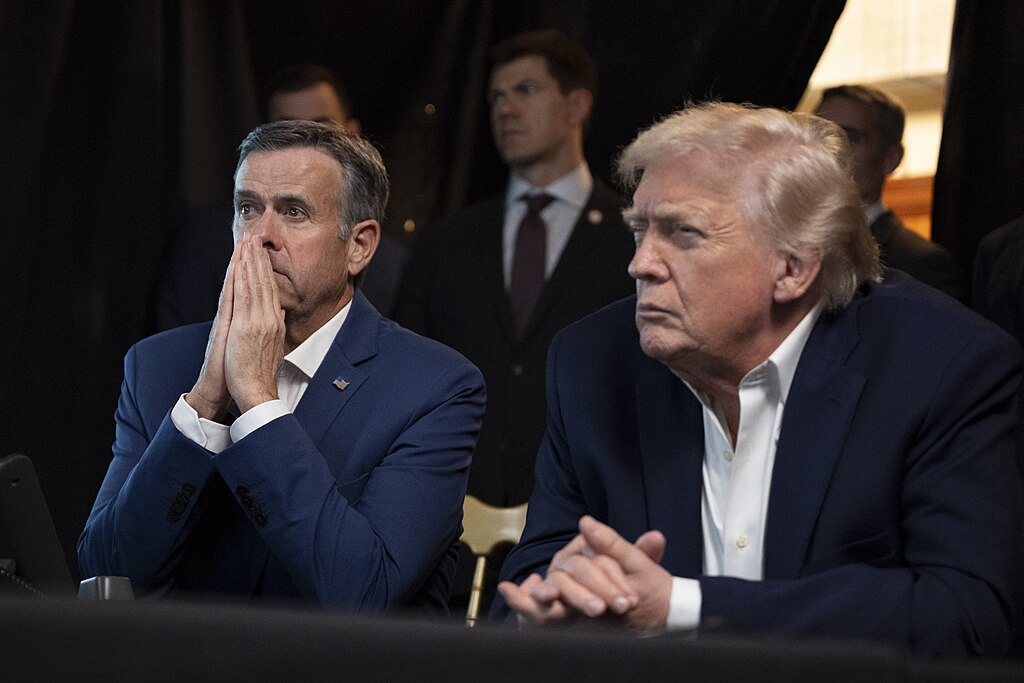
President Donald Trump escalated his military rhetoric against Iran late Thursday in a Truth Social post, warning that U.S. forces could begin striking critical infrastructure — including bridges and electrical power plants — if Tehran does not act swiftly to meet Washington's demands.
"Our Military… hasn't even started destroying what's left in Iran. Bridges next, then Electric Power Plants," Trump wrote, adding that Iran's new leadership "knows what has to be done… FAST." The statement signals a significant hardening of the U.S. position following recent strikes already carried out against Iranian infrastructure, including the destruction of a major bridge.
Trump also declared during a Thursday speech that the United States would hit Iran "extremely hard" in the coming weeks, while simultaneously suggesting that military objectives were "nearing completion." The mixed messaging points to mounting pressure on Tehran to make rapid political concessions rather than sustain prolonged military conflict.
The threats are directly tied to ongoing geopolitical demands from Washington, particularly the reopening of the Strait of Hormuz — a critical global shipping lane through which a significant portion of the world's oil supply flows. Any disruption to this corridor has the potential to trigger sharp increases in energy prices and rattle international markets.
Analysts warn that deliberately targeting civilian infrastructure such as power grids could dramatically widen the scope of the conflict, raise serious humanitarian concerns, and invite broader international condemnation. The potential disruption of Iran's energy systems would not only affect domestic civilians but could also send shockwaves through regional energy supplies with far-reaching global economic consequences.
As tensions between Washington and Tehran continue to intensify, markets, energy sectors, and foreign governments are closely watching for Iran's next move and whether diplomatic channels remain a viable path forward.







