


 Senate Stablecoin Bill Sparks Clash Between Banks and Crypto Industry
  Ukraine-Russia Ceasefire Confirmed as Prisoner Swap Deal Advances
  Trump Administration Releases New UFO Files and Apollo Mission Records
  Mexico President Claudia Sheinbaum Reconsiders Early School Closure Plan Ahead of 2026 World Cup
  U.S., South Korea Launch Shipbuilding Partnership Initiative
  Trump Invites Top CEOs Including Nvidia, Apple, Boeing to China Summit With Xi Jinping
  Trump Reportedly Approves Plan to Remove FDA Commissioner Marty Makary Amid Growing Controversies
  US-Iran Ceasefire Under Pressure as Fresh Strait of Hormuz Clashes Shake Oil Markets
  Panama Defends Port Takeover Amid U.S.-China Tensions and Canal Dispute
  Lula and Trump Talks Signal New Phase in Brazil-US Relations
  Rubio Approves $25.8 Billion Weapons Sale to Middle East Allies
  White House Withdraws Trump’s National Park Service Nominee Amid Criticism
  Judge Rules Use of Military Lawyers in Civilian Prosecutions Is Lawful
  Trump Administration Dismisses Entire National Science Board, Raising Concerns Over Scientific Independence
  Trump Says U.S. Navy Destroyers Passed Strait of Hormuz Under Iranian Fire
  Pope Leo Calls for Peace as Vatican Seeks Better Ties With U.S.
  U.S. Fast-Tracks $8.6 Billion Arms Sales to Middle East Allies Amid Rising Tensions


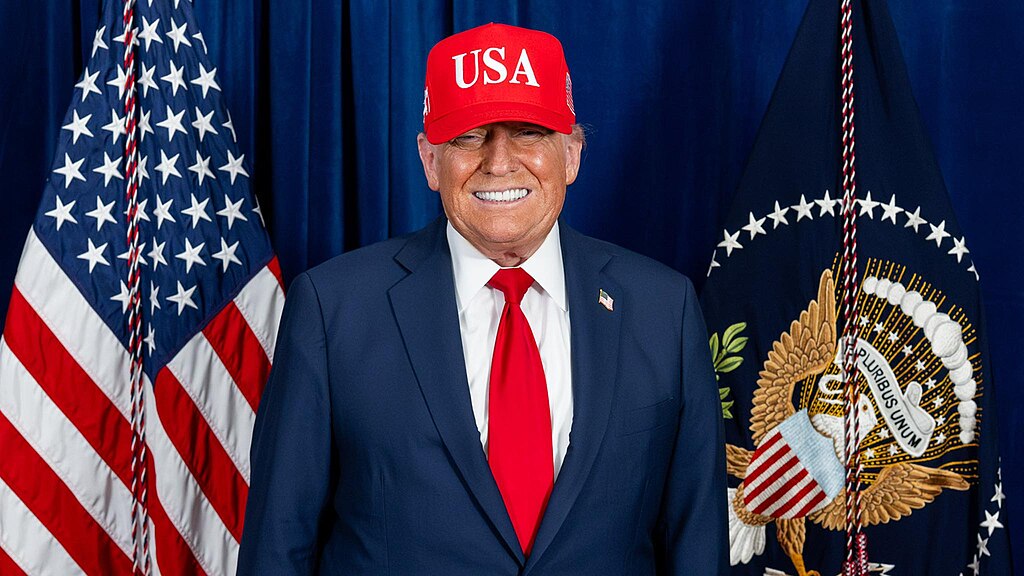
The Trump administration has greenlit approximately $7 billion worth of weapons for the United Arab Emirates through channels that bypass mandatory public disclosure requirements under U.S. arms export regulations, according to a Wall Street Journal report published Thursday.
These covert transactions come on top of a separate batch of publicly announced arms deals totaling over $16.5 billion directed at three undisclosed Middle Eastern nations, also revealed Thursday.
Among the undisclosed agreements are Patriot PAC-3 missile systems valued at roughly $5.6 billion and CH-47 Chinook military helicopters priced at approximately $1.32 billion — both destined for the UAE. Citing U.S. officials, the Journal explained that these particular transactions were kept from public view because they represent expansions of pre-existing arms agreements rather than entirely new contracts, placing them outside standard announcement obligations.
The scale of these transactions has drawn attention from defense analysts and foreign policy observers, raising questions about transparency in U.S. arms export policy. Under current State Department guidelines, certain contract modifications or extensions to previously approved deals do not trigger the same congressional notification and public reporting requirements that apply to new arms sales.
The UAE has long been one of Washington's most significant defense partners in the Middle East, with bilateral military cooperation spanning decades. American-made weapons systems, including advanced missile defense technology and heavy-lift helicopters, form a critical component of the Gulf nation's military infrastructure.
Critics argue that routing major weapons transfers through regulatory loopholes undermines congressional oversight and limits public accountability in American foreign policy decision-making. Supporters, however, contend that streamlining pre-approved partnerships enhances operational efficiency and strengthens longstanding alliances in a strategically vital region.
The combined value of both announced and unannounced deals signals a significant escalation in U.S. military hardware commitments to Gulf allies under the current administration.







