


 Democratic Attorneys General Sue Trump Administration Over CDC Childhood Vaccine Schedule Changes
  Kim Jong Un Vows to Expand North Korea’s Nuclear Arsenal, Signals Conditional Talks With U.S.
  CIA Posts Farsi Recruitment Message as U.S.-Iran Nuclear Talks Intensify
  Trump State of the Union 2026: Economy, Inflation, and Midterm Election Stakes
  Trump Pushes Tech Giants to Build Power Plants to Offset AI Data Center Energy Costs
  Australia Launches Royal Commission Into Antisemitism After Bondi Beach Hanukkah Attack
  Trump’s Iran Nuclear Claims: Missiles, Uranium Enrichment, and Protest Death Toll in Focus
  Ukraine Responds to U.S. Demarche After Novorossiysk Strike Impacts American Interests
  IMF Urges U.S. to Cut Fiscal Deficit to Reduce Trade and Current Account Gaps
  Democrats Warn Trump’s China Tech Security Pause Threatens U.S. National Security
  FBI Subpoenaed Kash Patel and Susie Wiles Phone Records During Trump Investigations, Patel Says
  Rubio Urges Caribbean Cooperation on Crime as U.S. Tightens Cuba Policy
  Trump and Zelenskiy Hold High-Stakes Phone Call Amid Ongoing Ukraine War
  Bipartisan Senate Resolution Backs Ukraine Ahead of Trump’s State of the Union Address
  Tommy Robinson Visits U.S. State Department Amid Free Speech Debate
  Albanese Backs Move to Remove Prince Andrew from Line of Succession Amid Ongoing Investigation
  U.S. Imposes Steep Countervailing Duties on Solar Imports from India, Indonesia and Laos


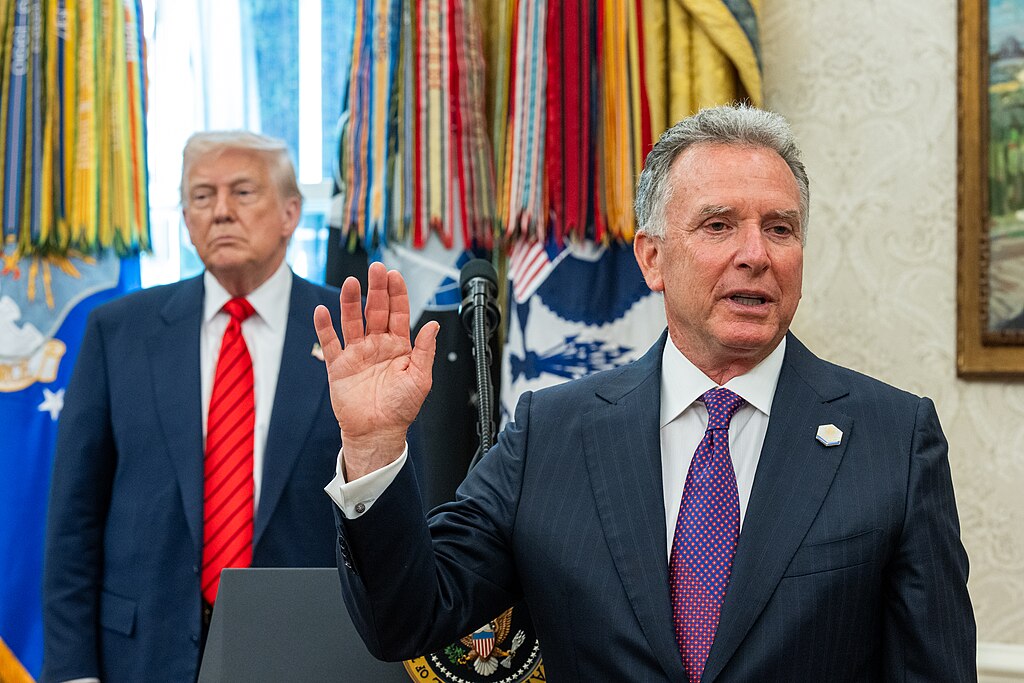
The Trump administration is demanding that any new nuclear deal with Iran remain in effect indefinitely, according to a report by Axios citing a U.S. official and two individuals familiar with the discussions. President Donald Trump’s special envoy, Steve Witkoff, reportedly made the remarks during a private gathering on Tuesday, underscoring Washington’s firm stance in ongoing negotiations over Tehran’s nuclear program.
The proposal signals a tougher approach compared to previous agreements, emphasizing a long-term or permanent framework to prevent Iran from advancing its nuclear capabilities. The administration’s position reflects growing concerns in Washington over Iran’s nuclear ambitions and regional influence.
Tensions between the United States and Iran have escalated in recent months. President Trump has intensified pressure on Tehran following its violent crackdown on domestic protesters. In response to the deteriorating situation, the U.S. has significantly increased its naval presence in the Middle East, a move widely interpreted as a show of force aimed at deterring further escalation.
Trump has also warned of potential military strikes if Iran fails to reach a comprehensive agreement to resolve the long-running dispute over its nuclear program. The renewed push for a binding and indefinite Iran nuclear deal comes amid fears that temporary agreements could allow Tehran to resume sensitive nuclear activities once restrictions expire.
The administration’s strategy combines diplomatic outreach with military deterrence, signaling that Washington is prepared to pursue multiple avenues to curb Iran’s nuclear development. As negotiations unfold, global markets and regional stakeholders are closely monitoring developments, given the potential impact on Middle East stability and international security.
The evolving U.S.-Iran nuclear talks remain a focal point in global geopolitics, with the prospect of a permanent agreement likely to shape diplomatic relations and regional dynamics for years to come.













