


 Russian Drone Strikes Hit Kharkiv and Dnipro, Injuring Over 20 Civilians
  U.S. Calls for Reassessment of International Aid to Taliban-Ruled Afghanistan
  Venezuela Names Paula Henao as New Oil Minister Amid U.S.-Led Industry Overhaul
  Trump Hints at Possible U.S. Takeover of Cuba Amid Deepening Humanitarian Crisis
  U.S. Patriot Missiles Redeployed From South Korea Amid Middle East Conflict
  FBI Warns of Possible Iranian Drone Attacks on California Amid U.S.-Iran War
  Anthropic Sues Pentagon Over AI Blacklist, Citing Free Speech Violations
  Boeing Secures $289 Million Smart Bomb Contract With Israel
  Bipartisan Housing Bill Advances in Senate, Aims to Tackle U.S. Affordability Crisis
  Trump-Putin Call Addresses Iran War, Ukraine Peace, and Global Oil Crisis
  Shots Fired at U.S. Consulate in Toronto in Suspected National Security Incident
  Iran Mines Strait of Hormuz: Crude Oil Prices Surge Amid Middle East Tensions
  U.S.-Israel War on Iran Sends Crude Oil Prices Surging Amid Strait of Hormuz Tensions
  Trump Doubts Iran Mining Reports as Strait of Hormuz Tensions Escalate
  U.S. Senate Greenlights AI Chatbots for Official Staff Use
  Japan's BOJ Independence Under Fire as PM Takaichi's Rate Stance Draws Political Heat
  Iran-U.S. Oil Tensions Escalate as Revolutionary Guards Threaten Strait of Hormuz Blockade


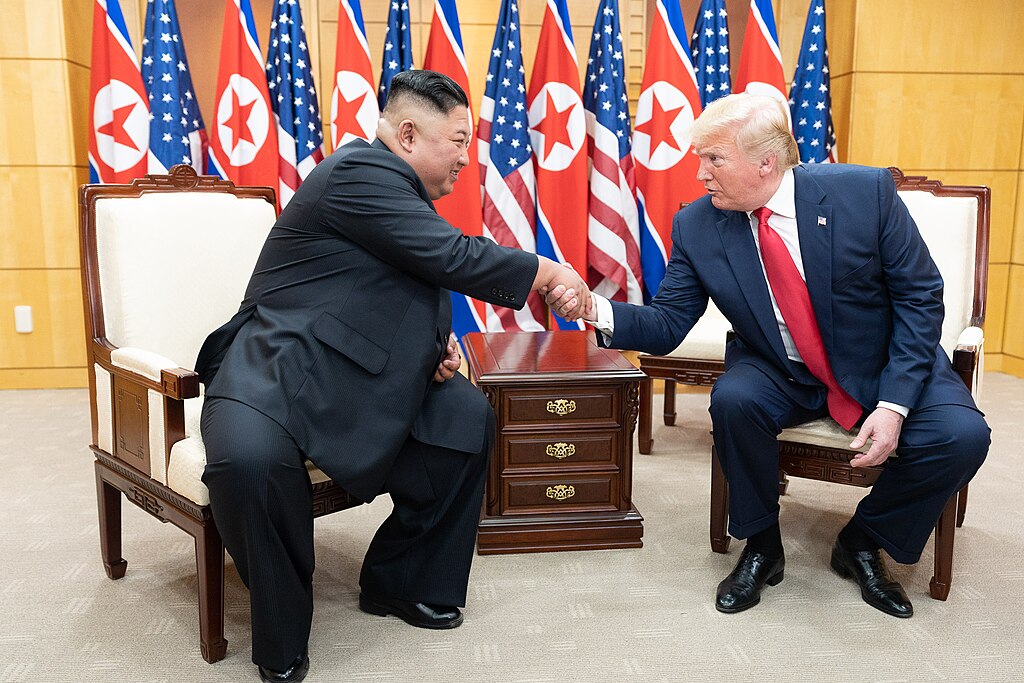
North Korean leader Kim Jong Un has pledged to accelerate the expansion of North Korea’s nuclear weapons program, emphasizing that future relations with the United States depend entirely on Washington’s stance toward Pyongyang. According to state media outlet KCNA, Kim made the remarks as the country concluded its week-long Ninth Congress of the ruling Workers’ Party with a large military parade in Pyongyang.
Kim stated that North Korea’s “international status has risen extraordinarily” and reaffirmed the government’s commitment to strengthening its position as a nuclear state. He stressed that the party’s firm policy is to further expand and enhance the nation’s nuclear capabilities. Plans include increasing the number of nuclear weapons and diversifying nuclear operational systems to reinforce deterrence.
KCNA also reported that North Korea aims to develop more advanced intercontinental ballistic missiles (ICBMs), AI-powered attack systems, and unmanned drone technology. These initiatives are part of a broader five-year strategy designed to solidify the country’s military strength and strategic defense posture.
Despite the strong rhetoric, Kim left room for potential diplomatic engagement with the United States. He indicated that improved North Korea-U.S. relations would be possible if Washington abandons what he described as a confrontational policy and recognizes Pyongyang’s current status. However, Kim has not responded to outreach efforts from U.S. President Donald Trump, whom he met three times during Trump’s first term.
Tensions with South Korea remain high. Kim labeled South Korea the “most hostile enemy” and rejected dialogue with Seoul, criticizing the conciliatory approach of South Korean President Lee Jae Myung’s administration. Since taking office last June, Lee has sought to ease inter-Korean tensions, but Pyongyang has dismissed these overtures.
Kim warned that North Korea could take “arbitrary action” if South Korea engages in what he called provocative behavior, adding that the possibility of South Korea’s “complete collapse” cannot be ruled out.













