


 U.S. Patriot Missiles Redeployed From South Korea Amid Middle East Conflict
  Iran's Government Remains Stable Despite U.S. and Israeli Strikes, Intelligence Shows
  U.S.-Israel War on Iran Sends Crude Oil Prices Surging Amid Strait of Hormuz Tensions
  IEA Releases Record 400 Million Barrels of Oil Amid U.S.-Iran War
  U.S. Calls for Reassessment of International Aid to Taliban-Ruled Afghanistan
  Iran Mines Strait of Hormuz: Crude Oil Prices Surge Amid Middle East Tensions
  U.S. and Russia Hold Diplomatic Talks in Florida Amid Ongoing Tensions
  Trump Administration Launches Trade Investigations Against 16 Countries Over Industrial Overcapacity
  FBI Warns of Possible Iranian Drone Attacks on California Amid U.S.-Iran War
  Boeing Secures $289 Million Smart Bomb Contract With Israel
  Shots Fired at U.S. Consulate in Toronto in Suspected National Security Incident
  Bipartisan Housing Bill Advances in Senate, Aims to Tackle U.S. Affordability Crisis
  Trump-Putin Call Addresses Iran War, Ukraine Peace, and Global Oil Crisis
  U.S. Senate Greenlights AI Chatbots for Official Staff Use
  Trump Hints at Possible U.S. Takeover of Cuba Amid Deepening Humanitarian Crisis
  Israel-Iran War: Herzog Urges Patience as U.S. and Israeli Strikes Intensify
  Taiwan's MQ-9B SkyGuardian Drone Order Stays on Schedule Despite Middle East Conflict


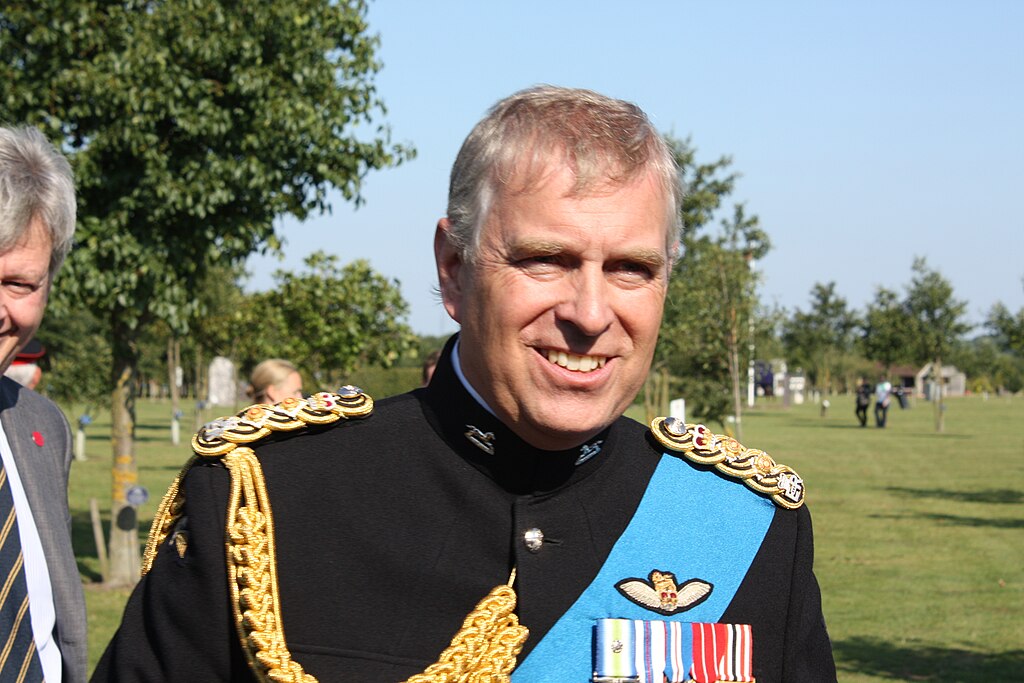
Australian Prime Minister Anthony Albanese has confirmed he would support legislation to remove Prince Andrew, also known as Andrew Mountbatten-Windsor, from the line of succession to the British throne. In a letter sent to UK Prime Minister Keir Starmer’s office, Albanese stated that his government would agree to any formal proposal aimed at excluding the Duke of York from the royal succession following his recent arrest and ongoing police investigations.
Prince Andrew, currently eighth in line to the throne, is facing scrutiny over his alleged connections to disgraced U.S. financier and convicted sex offender Jeffrey Epstein. British authorities are investigating claims related to misconduct in public office during Andrew’s tenure as a government trade envoy. Police have searched his former Windsor residence as part of the probe. Additional allegations linked to Epstein are also under review by various UK law enforcement agencies. Prince Andrew has consistently denied any wrongdoing and has not made public comments since the release of U.S. government documents connected to Epstein.
King Charles III, who stripped his younger brother of his royal title last year and required him to vacate his Windsor home, serves as head of state not only in the United Kingdom but also in Australia, New Zealand, and 12 other Commonwealth realms. Any changes to the line of succession must be approved by all affected nations.
Speaking to ABC Radio, Albanese said many Australians believe Prince Andrew is not a suitable figure to remain in the line of succession as Australia’s head of state. New Zealand Prime Minister Christopher Luxon’s office has also expressed support for any proposal to remove Andrew.
The last major reform to the royal succession occurred in 2013, ending the centuries-old system favoring male heirs. The British government has indicated that any further changes will depend on the outcome of the ongoing investigations.













