


 Trump Administration Pauses Visa Appointments Worldwide
  New Zealand Moves to Ban Social Media for Children Under 16
  Meta, U.S. States Discuss Settlement in Teen Addiction Trial
  Nvidia Options Price in $280 Billion Earnings Swing
  PayPal Shares Sink as $50 Billion Takeover Bid Collapses
  Iran Allows Iraqi Oil Tankers Through Strait of Hormuz
  Pinterest Stock Falls as CFO Julia Brau Donnelly Resigns
  Trump Orders Major Overhaul of US Navy Shipbuilding
  ICE to Complete Nationwide Body Camera Rollout by End of August
  Amazon Secures 200 MW Wind Power Deals in Sweden
  Trump Administration Plans New Drug Pricing Deals With Biotech Firms
  BofA Names ASML Top Semiconductor Equipment Pick on Growth, Valuation
  OpenAI Data Center Chief Chris Malone Exits Ahead of Planned 2027 Listing
  Nvidia Reportedly Eyes $13 Billion Hugging Face Acquisition
  Trump Administration Weighs Executive Order on Vaccines and Autism Research
  Trump Targets 1,000 U.S. Space Launches Annually by 2030


 Add as a preferred source on Google
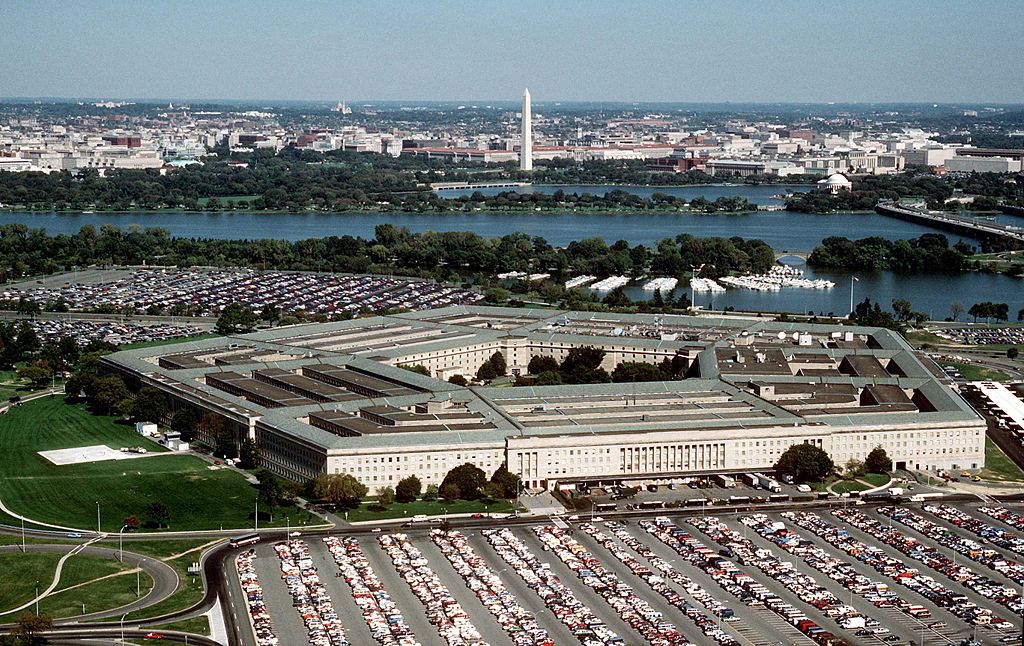
Artificial intelligence company Anthropic is standing firm on its military AI usage restrictions despite mounting pressure from the U.S. Department of Defense, according to a source familiar with the discussions. The dispute centers on whether Anthropic should loosen safeguards that prevent its AI models from being used for autonomous weapons targeting and domestic surveillance.
The tension escalated during a recent meeting between Anthropic CEO Dario Amodei and U.S. Defense Secretary Pete Hegseth. The high-level talks aimed to resolve a months-long disagreement over the company’s AI policies and its role in U.S. national security operations. Pentagon officials argue that AI providers working with the government should only be required to follow existing U.S. law, while Anthropic maintains that additional ethical safeguards are necessary to ensure responsible AI deployment.
During the meeting, Hegseth reportedly issued a stark ultimatum: comply with the Pentagon’s expectations or face significant consequences. Potential actions discussed include designating Anthropic as a supply chain risk or invoking the Defense Production Act, a federal law that could compel the company to alter its AI usage rules. The government has reportedly given Anthropic a deadline of Friday at 5 p.m. to respond.
Anthropic stated that discussions with the Pentagon remain in good faith and focused on aligning its AI usage policies with national security needs, while ensuring its technology is used responsibly. The company believes its current safeguards do not hinder Defense Department operations.
The Pentagon is simultaneously negotiating AI contracts with major large language model providers, including OpenAI, Google, and xAI, as it expands artificial intelligence integration across classified military networks. This week, xAI secured an agreement for deployment on classified systems, signaling broader competition in defense AI contracts.
Legal experts warn that any move to label Anthropic a supply chain threat or force compliance under the Defense Production Act could spark significant litigation and reshape the future of AI regulation in the defense sector.







